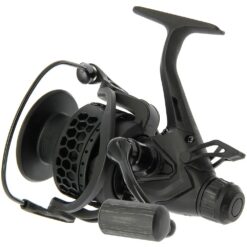




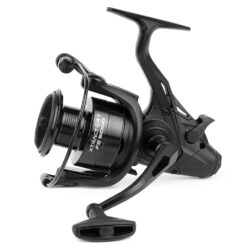
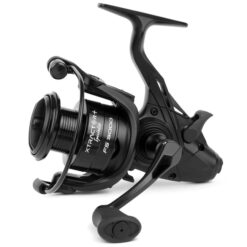
Shimano Baitrunner XTB CI4+ LC Reel
✓ Reviewed 8.6 / 10
 Big Pit Reels64 products
 Free Spool & Baitrunner Reels44 products
 Light Carp Reels27 products
 Spod & Marker Reels20 products
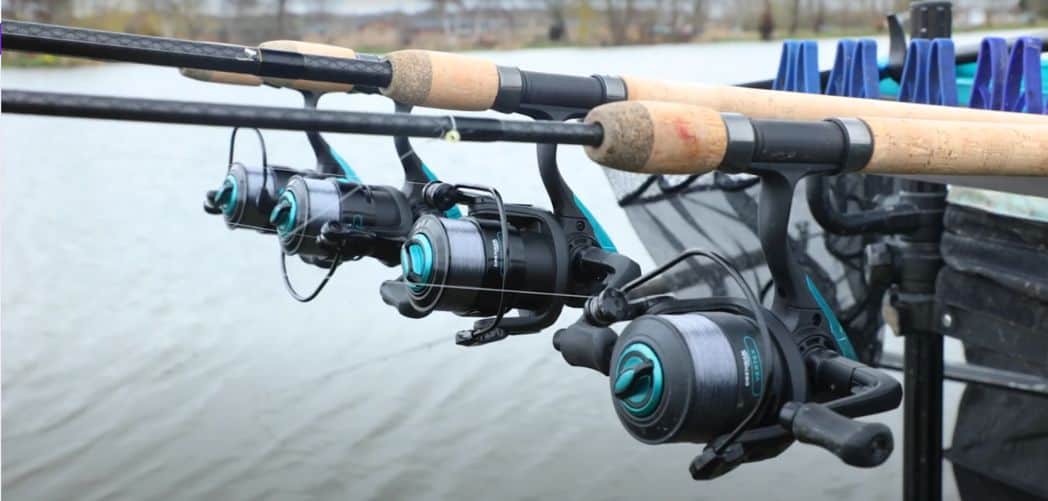 Feeder Reels55 products
 Float Reels26 products
 Predator Spinning Reels56 products
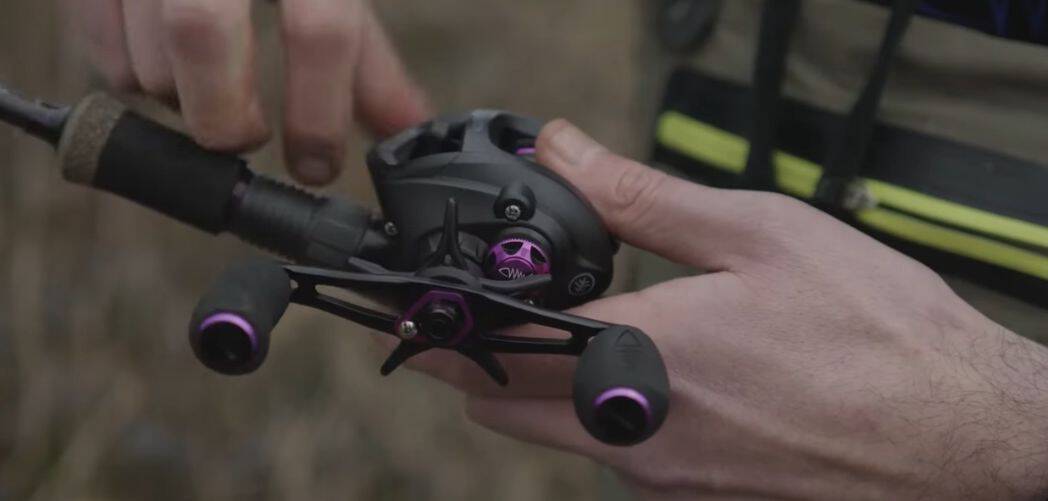 Predator Baitcasters & Multipliers30 products
 Sea Fixed Spool Reels29 products
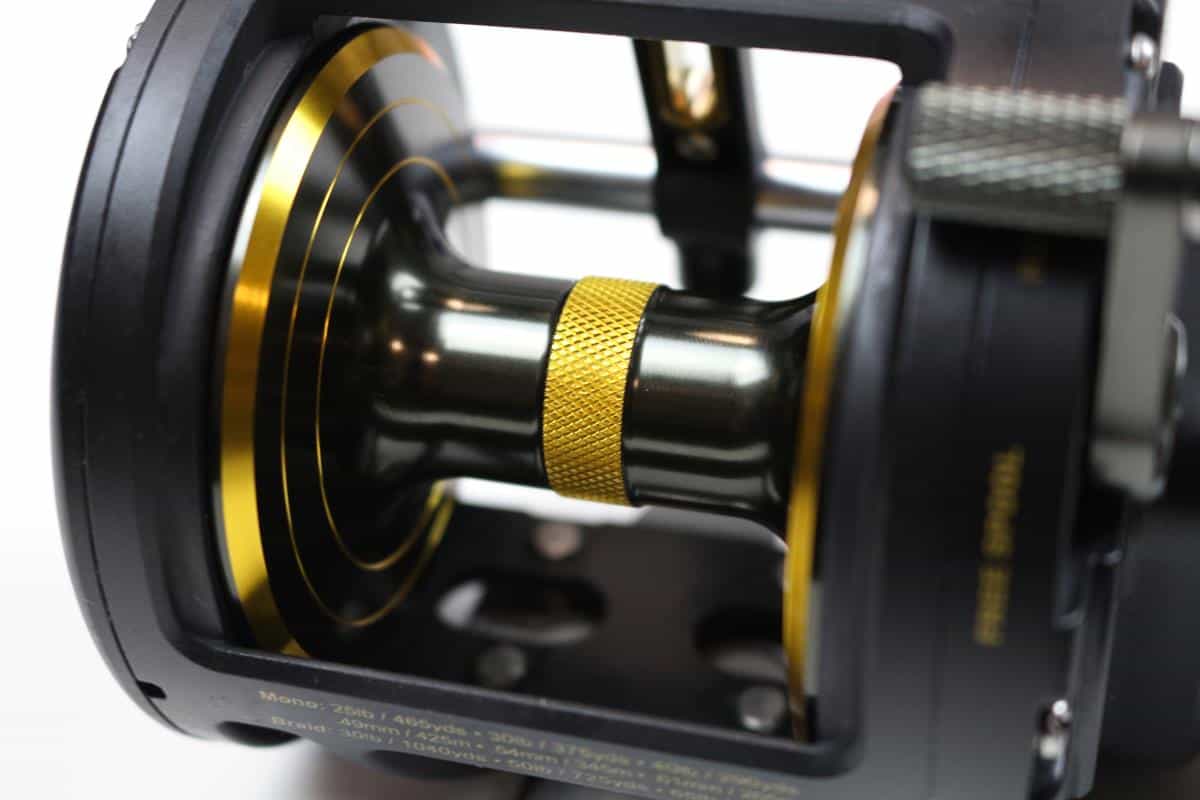 Sea Multipliers19 products
 Mini Big Pit Reels9 products
 Budget Carp Reels11 products
Shimano Carp Reels37 products
Budget Carp Reels11 products
Shimano Carp Reels37 products
 Daiwa Carp Reels29 products
Shimano Baitrunners18 products
Fox Carp Reels14 products
Daiwa Carp Reels29 products
Shimano Baitrunners18 products
Fox Carp Reels14 products
 Sonik Carp Reels13 products
 Okuma Carp Reels12 products
 Barbel Reels11 products
 Centrepin Reels6 products
 Sea Spinning Reels17 products
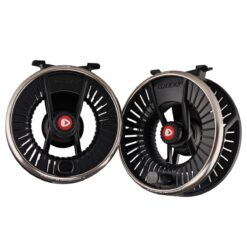 Fly Reels23 products
Our most-read reel guides, each with scored picks and today’s prices.
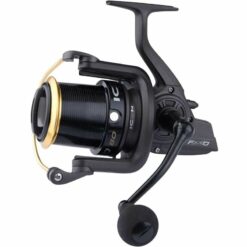
Shimano Baitrunner XTB CI4+ LC Reel


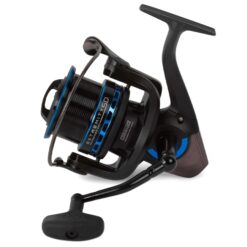






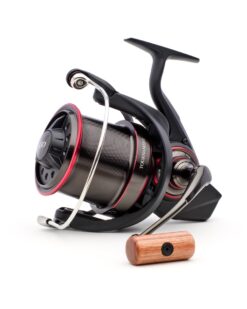
Daiwa 26 Tournament Basia 45 SCW QD


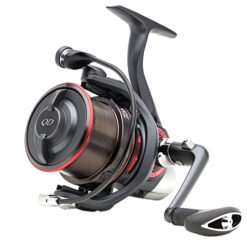

James Young Heritage Centrepin Reel
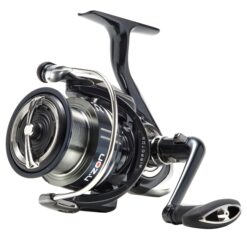

Shakespeare Firebird Beachcaster Combo
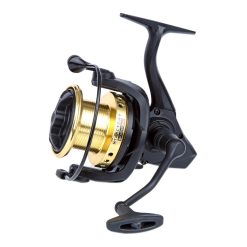

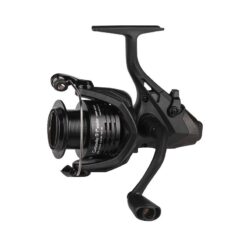
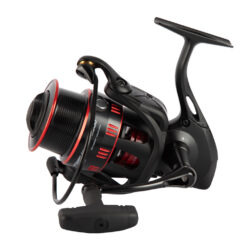

Shimano Aerlex XTC Spod Reel 14000

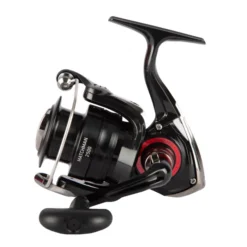


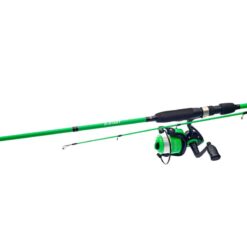
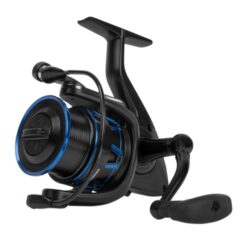

Wychwood Agitator S1 Baitcasting Reel
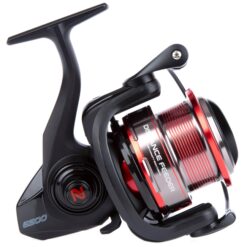



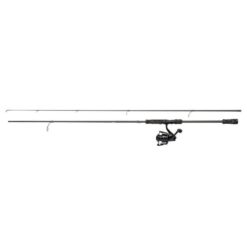
Abu Garcia Max X Spinning Black Ops Fixed Spool Combo

Daiwa Tournament Basia Custom Reel DCR6



Shakespeare Challenge XT Fishing Combo

Shimano Power Aero 14000 XTC Reel
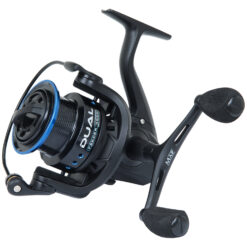
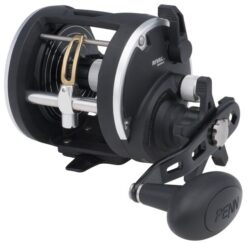
Penn Rival Level Wind Multiplier Reel
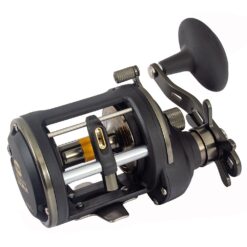
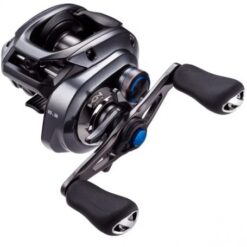
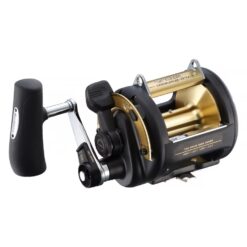
Shimano TLD II A Reel 50lb 2-Speed Right Hand


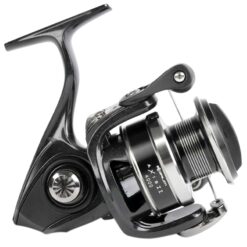
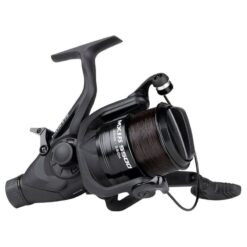
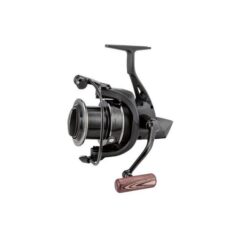
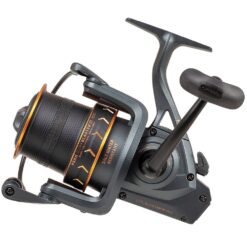

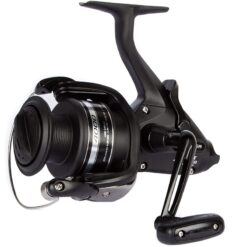

Shimano Baitrunner X-Aero FB Fishing Reel
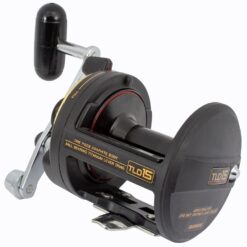

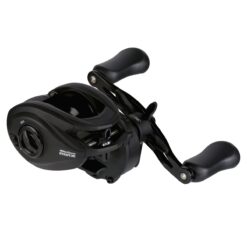
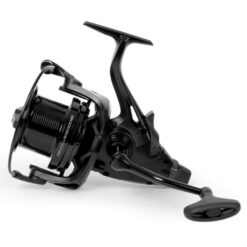
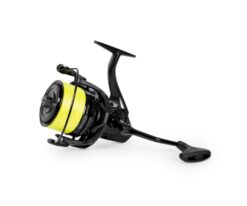
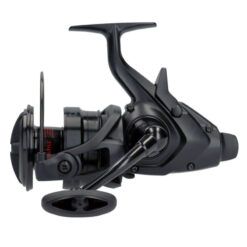
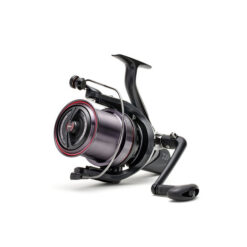
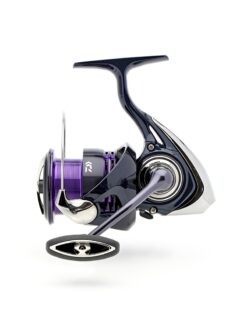

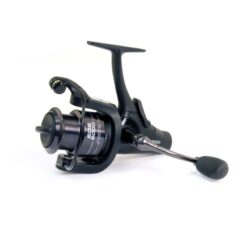
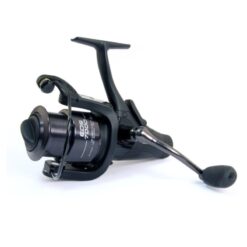

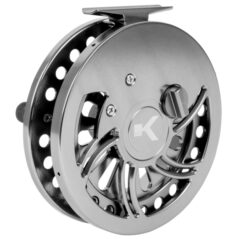
Korum Glide JPX Centrepin Reel 4.5in NMB
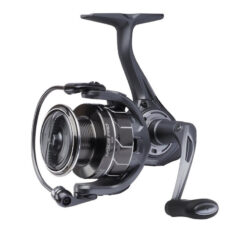
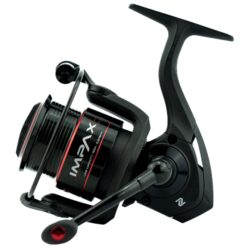
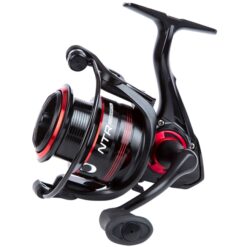
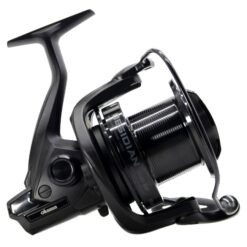
Okuma Obsidian Carp Reel Inc Spare Spool
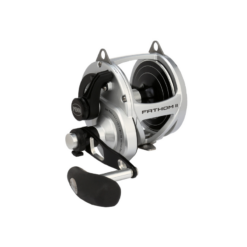
PENN Fathom ii Lever Drag 2 Speed Reel
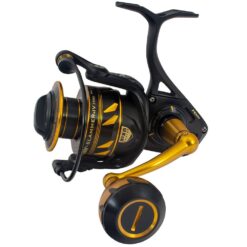
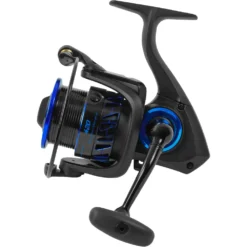


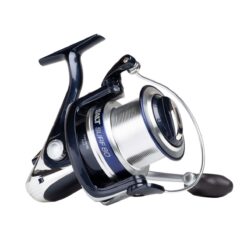
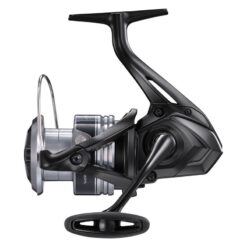
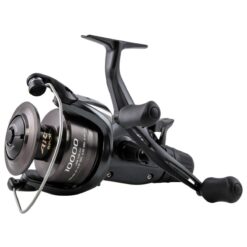
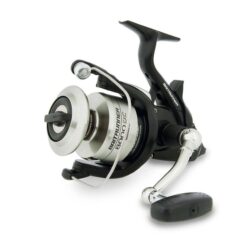
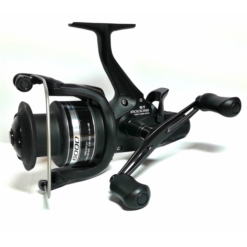
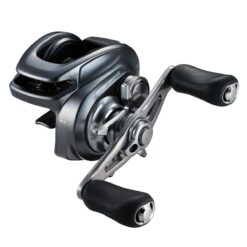
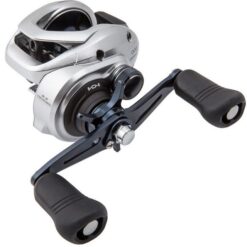
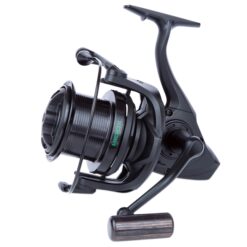

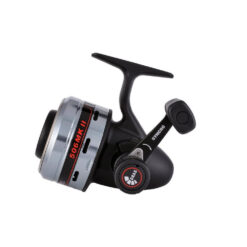
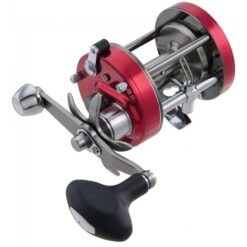
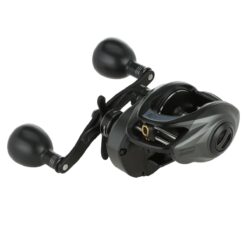
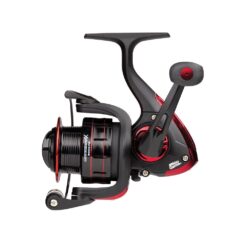
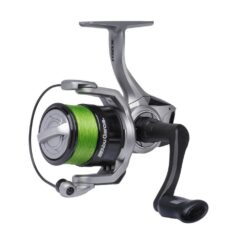
Abu Garcia Max X Spinning Reel With Braided Line
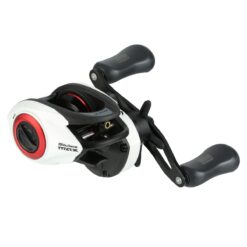
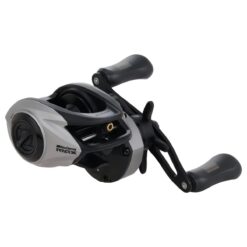
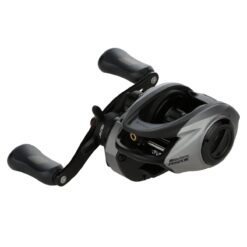
Abu Garcia Max5 XLP Max X Low Profile Reel
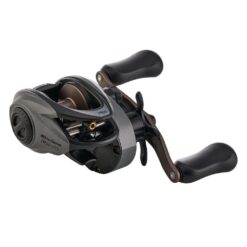
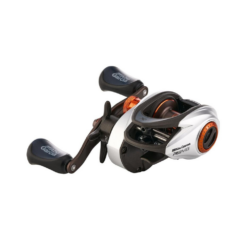
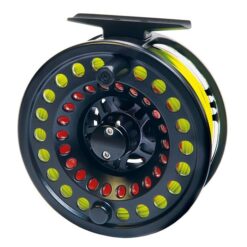
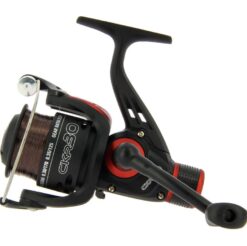
Angling Pursuits CKR30 1BB Reel with 8lb Line
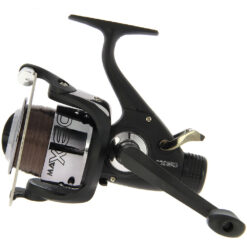
Angling Pursuits Max 60 2BB Reel with 10lb Line
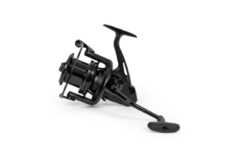
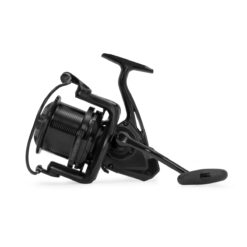
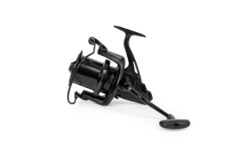
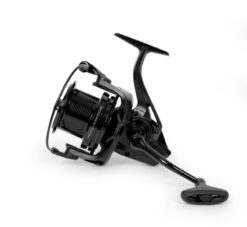
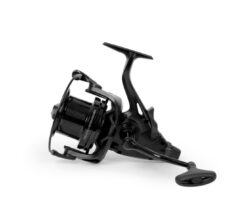
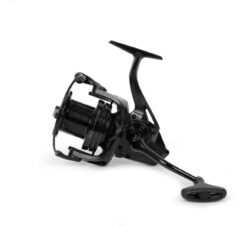
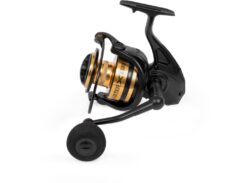
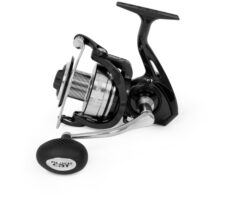
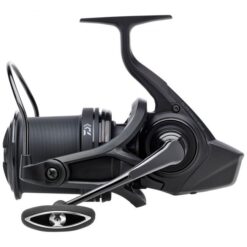
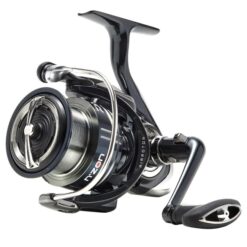
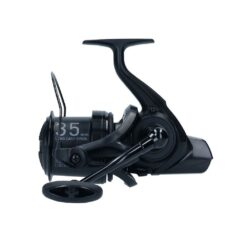

Daiwa 20 Crosscast 45 SCW QD Reel
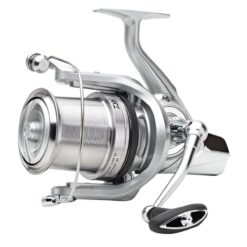
Daiwa 20 Crosscast Surf 5000C QD 45SCW Reel
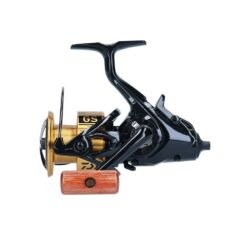
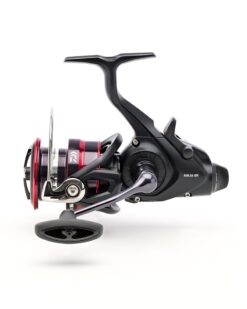
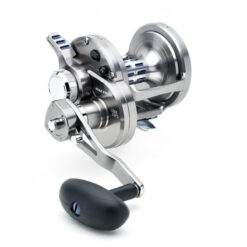
Daiwa 20 Saltiga LD 2 Speed Multiplier Reel
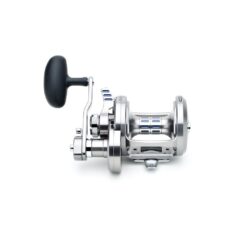
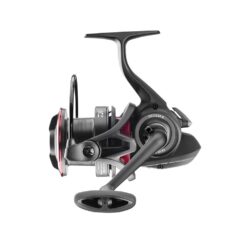
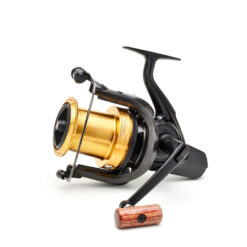
Daiwa 21 Crosscast 45 SCW5000ld Qt Ot Reel

Daiwa 23 Emblem 45 SCW QD Fishing Reel
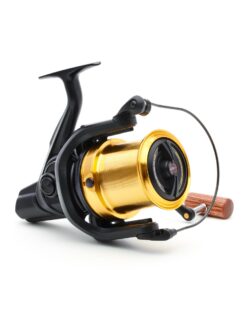
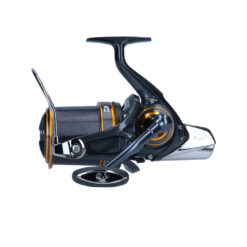
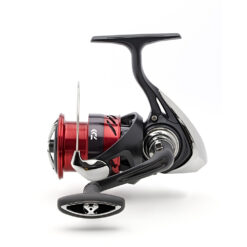
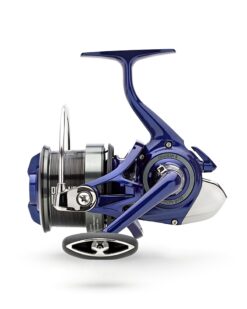
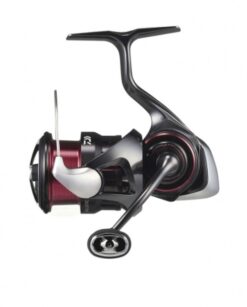
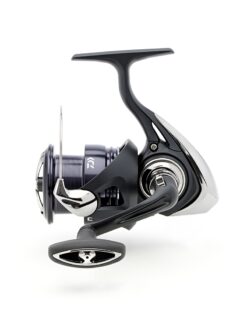

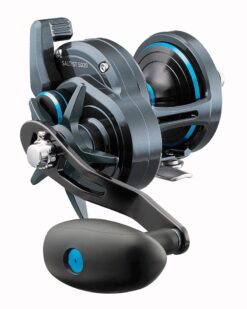
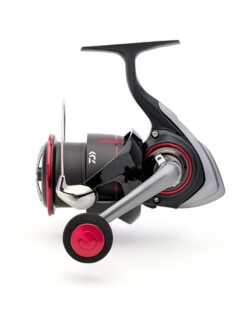
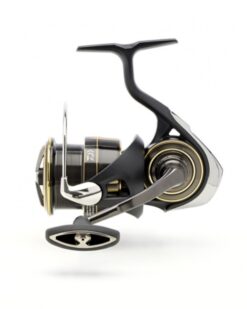
Daiwa 25 Tournament Match JP LTD Reels
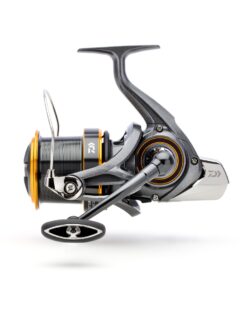
Daiwa 26 Crosscast 35 SCW Surf Reel 5000Cqd
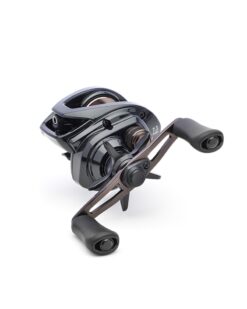
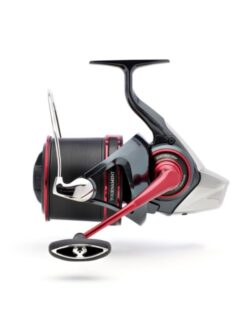
Daiwa 26 Tournament Basia Surf 45SCW QD
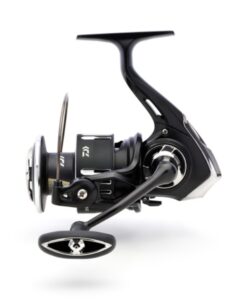
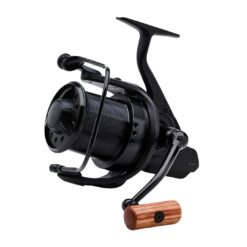

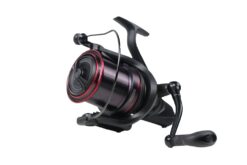
Daiwa Emblem 45 SCW QD Black/Red TT Exclusive Reel
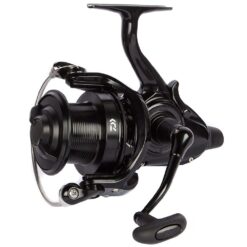

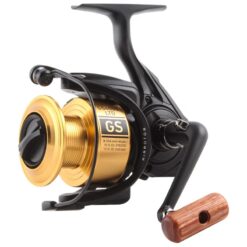

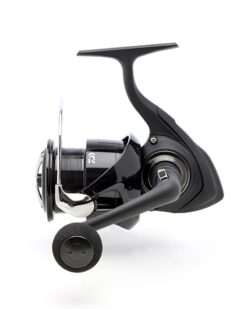
Daiwa Match 24 TDR 3012QD AB Black Edition
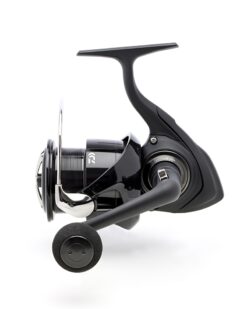
Daiwa Match 24 TDR 4012QD AB Black Edition
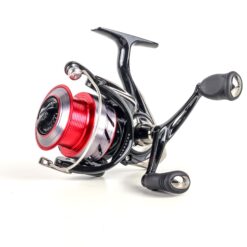
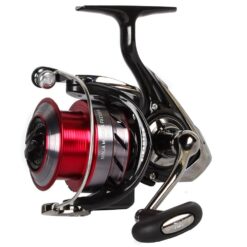
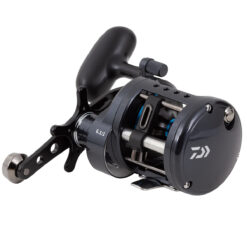

Daiwa Tournament Basiair Z45 QD Mag Sealed
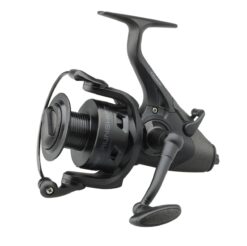
DAM Runshift 3 FS 2+1BB IGSP Freespool Reel
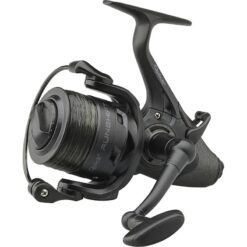
DAM Runshift 3L FS 2+1BB IGSP Freespool Reel Camo Line
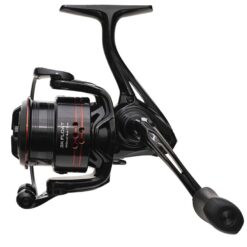
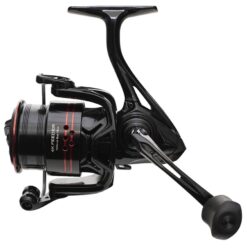

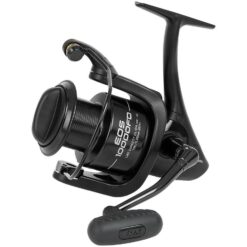
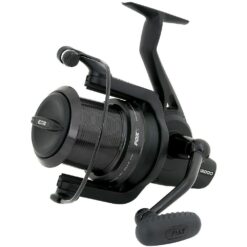

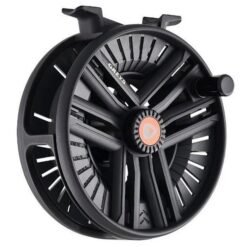
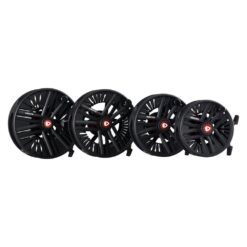
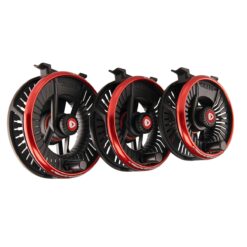
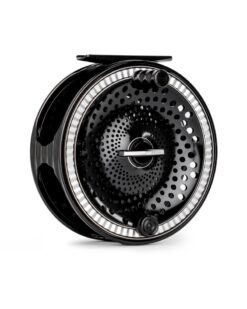
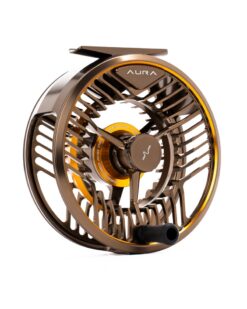
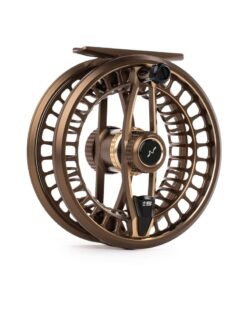
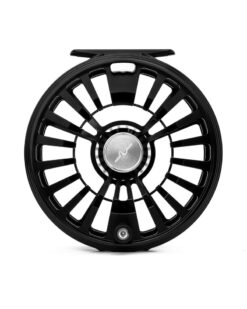
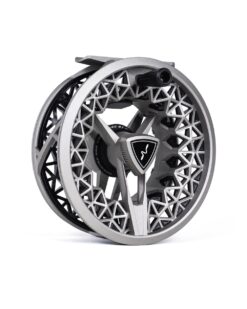
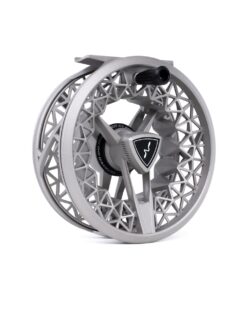
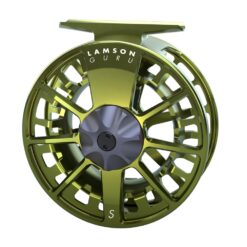
Lamson Guru S-Series Olive Green Fly Reel
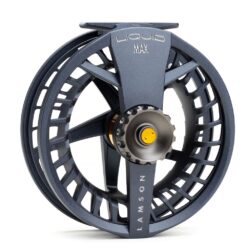
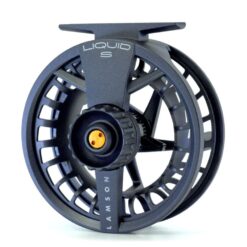
Lamson Liquid S-Series Daybreak Fly Reel
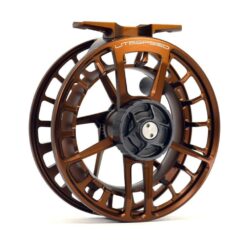
Lamson Litespeed F-Series Whiskey Fly Reel
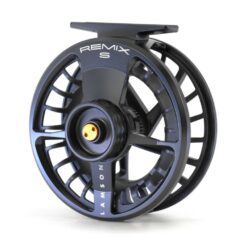
Lamson Remix S-Series Daybreak Fly Reel
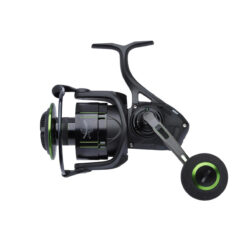
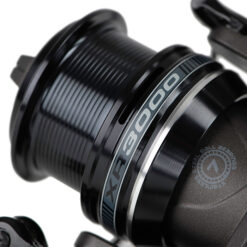
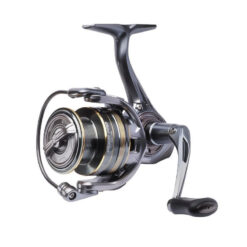
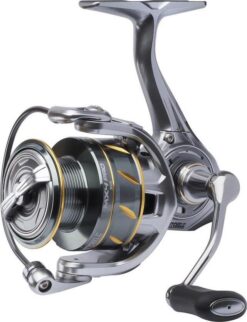
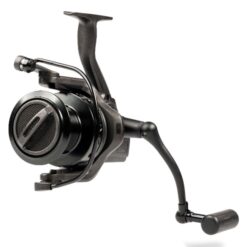
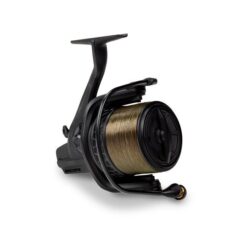
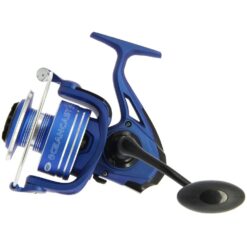
NGT Oceancast 90 5+1BB Sea Reel with Aluminium Spool
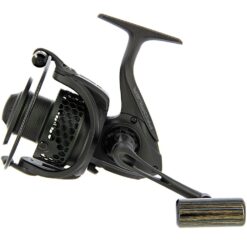
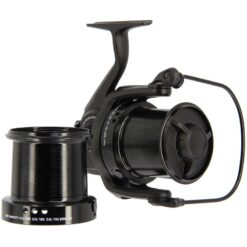
NGT Profiler Big Pit 9+1BB Lightweight Quick Drag Reel
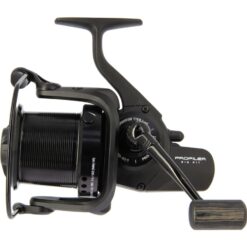
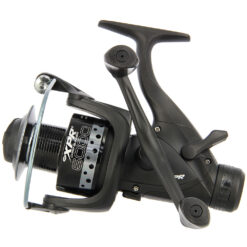
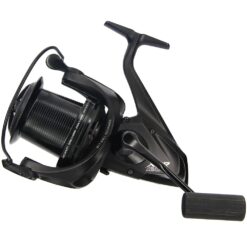
NGT XPR Longcast Big Pit 9+1BB Rapid Drag Reel
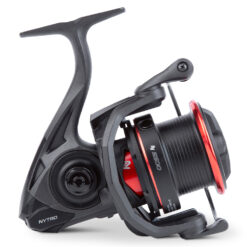
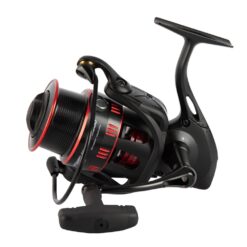
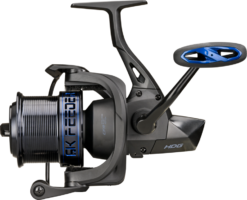
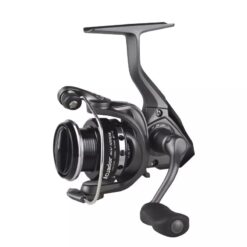
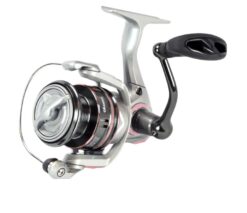

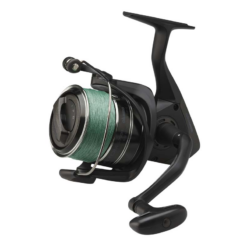
Okuma Big Bomber 7000 Spod Reel With Braid
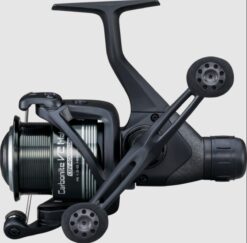

Okuma Ceymar C101-A LH Baitcasting Reel
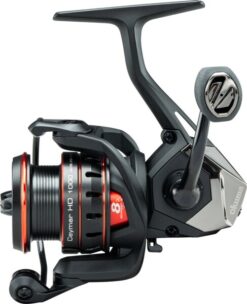
Okuma Ceymar CHD High Speed Spinning Reel
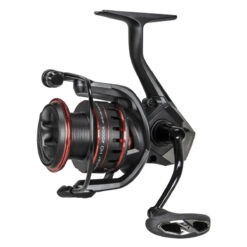
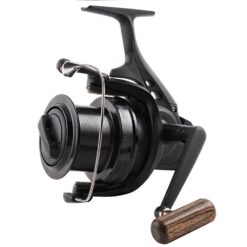
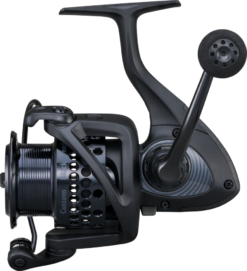
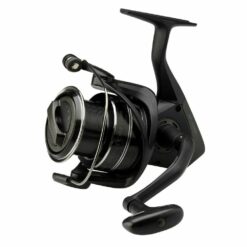
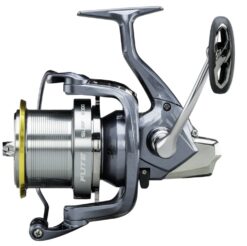
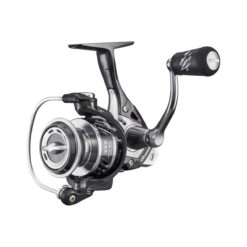
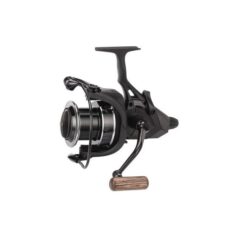
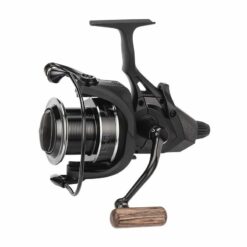
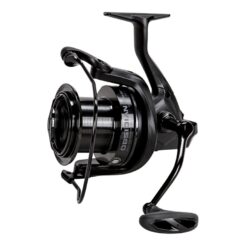
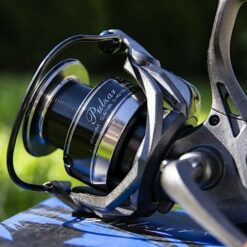
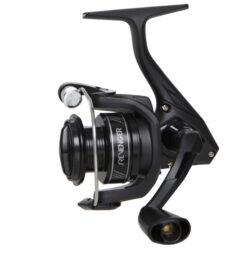

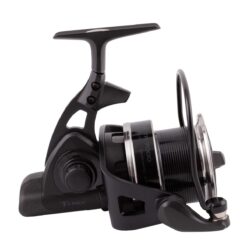

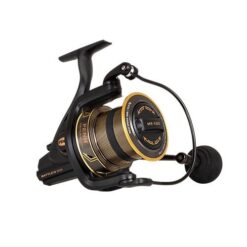
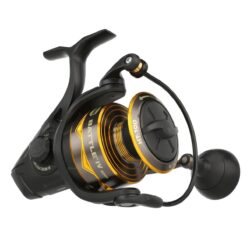
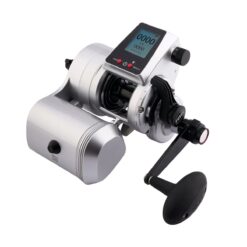
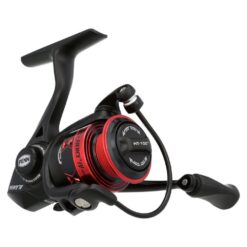
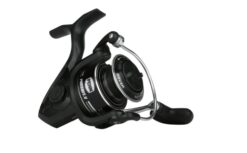
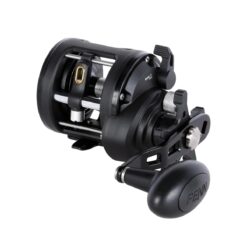
Penn Rival II Level Wind Conventional Reel
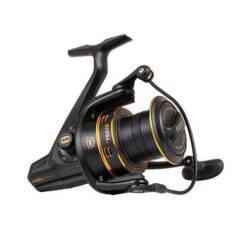
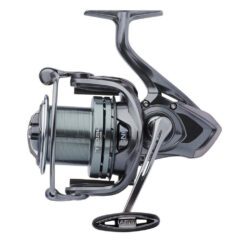
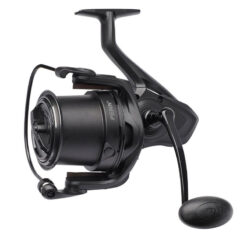
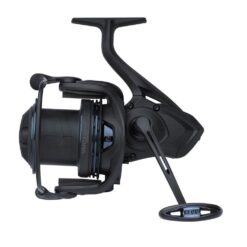
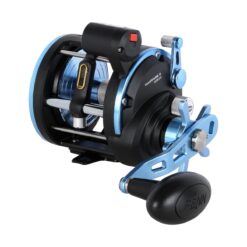
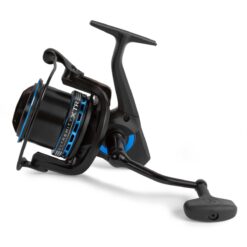
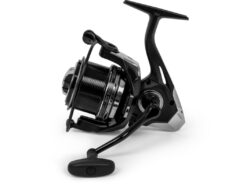
Preston Innovations Monster Feeder Reels
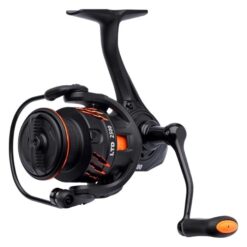
Savage Gear Orange LTD FD Spinning Reel
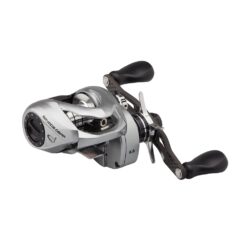
Savage Gear SG10 250 Multiplier Reel Left Hand
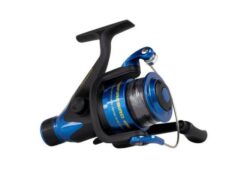
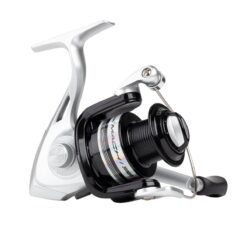
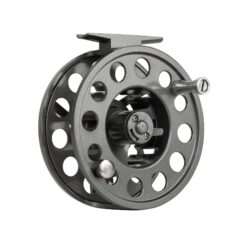
Shimano 22 Power Aero 14000 PG XSC Reel
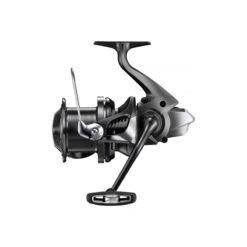

Shimano Aerlex 10000 XTB Spod Reel
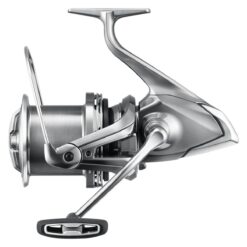
Shimano Aero Technium MgS Reel XSD 14000
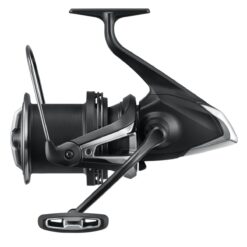
Shimano Aero Technium MgS Reel XTD 14000
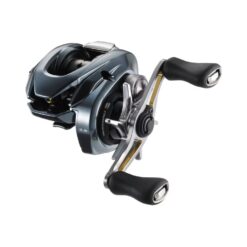
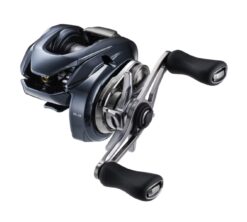
Shimano Aldebaran DC 31 Left Hand Reel
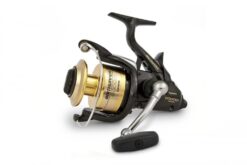
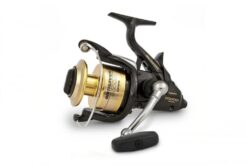
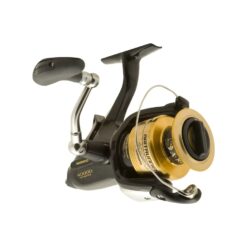
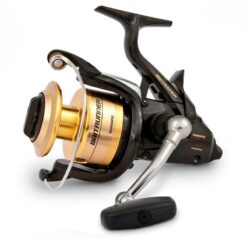
Shimano Baitrunner D Reel – 6000 EU
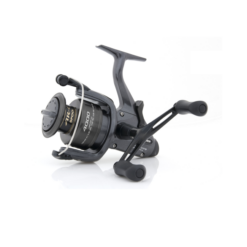
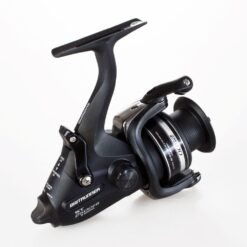
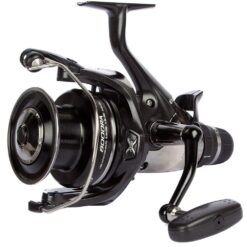
Shimano Baitrunner X-Aero 10000 RA Reel
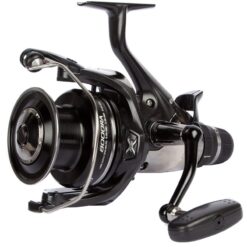
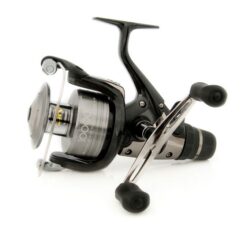
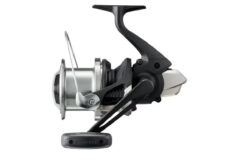
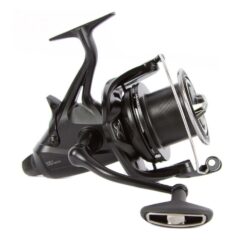
Shimano Big Baitrunner XTB Longcast Reel
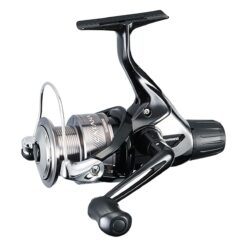
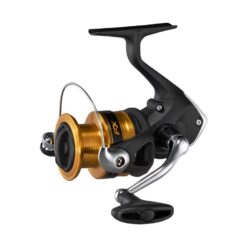
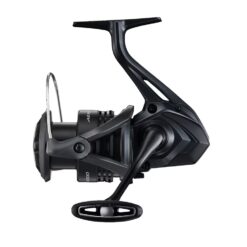
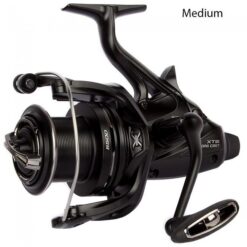
Shimano Medium Baitrunner XTB Longcast Reel
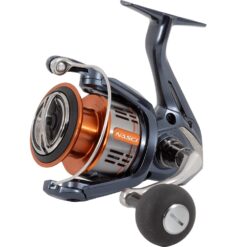
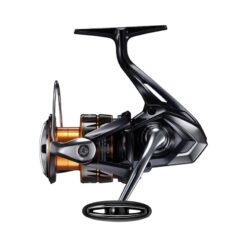
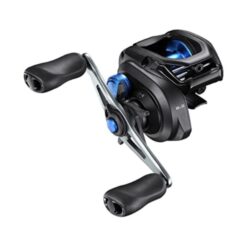
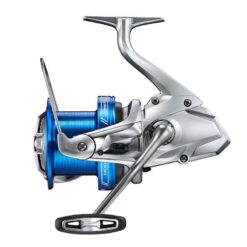


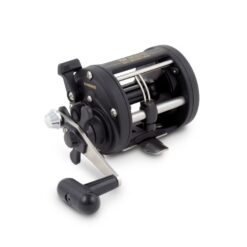
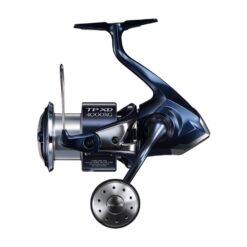
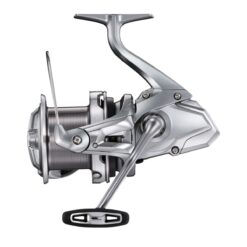
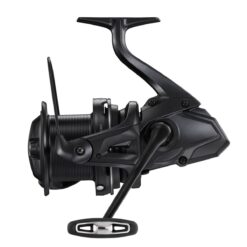
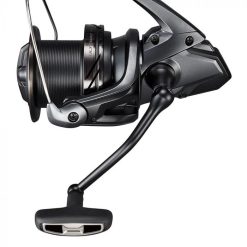
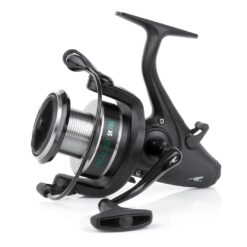
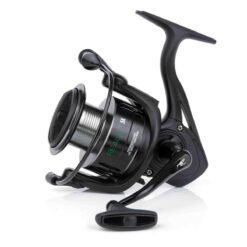
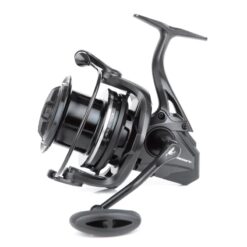
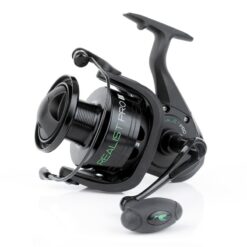
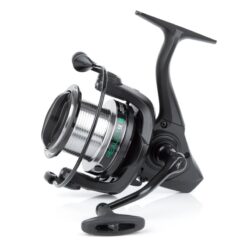
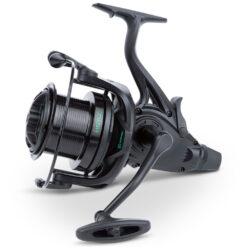

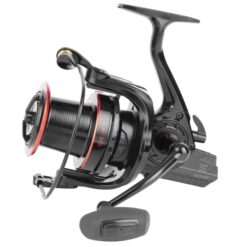

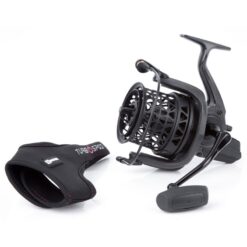

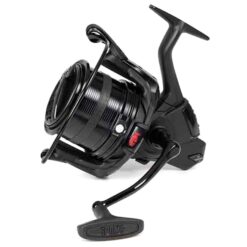
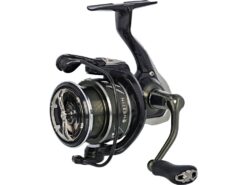
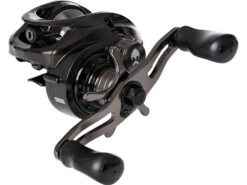
Westin W2-BC 201 MSG Baitcasting Reel Left Hand
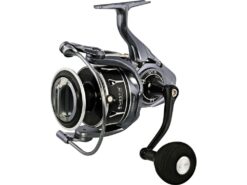
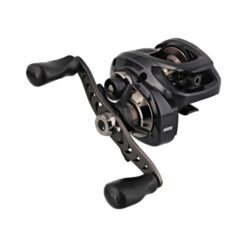
Westin W4-BC SSG Metallic Trooper Baitcasting Reel
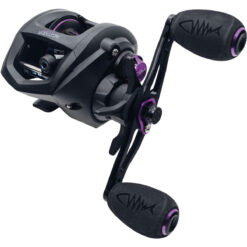
Wychwood Agitator S1 200 Baitcasting Reel
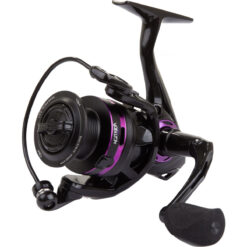

Wychwood Dispatch 7500 Spod Reel with Braid
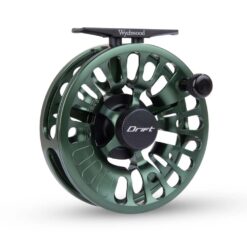
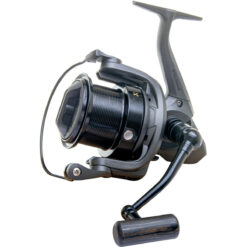

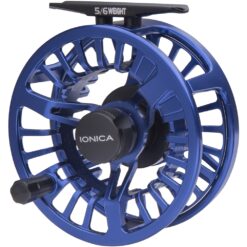
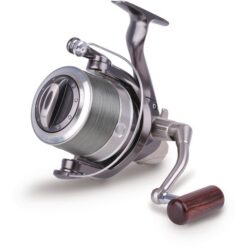
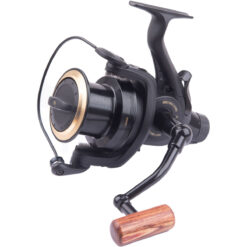
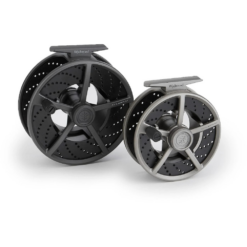
Wychwood Truefly SLA MKII Silver Fly Fishing Reel
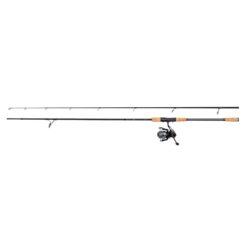

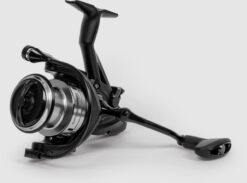
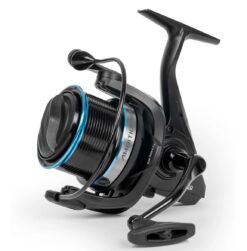
Zebco Ambition Distance Feeder 6000 Reel
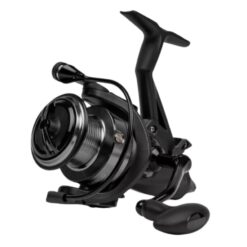
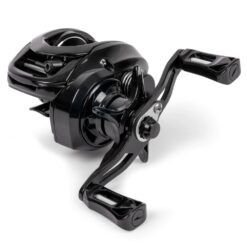
Zebco Demonic All Black Baitcaster 150 LHW Reel
Zebco Demonic Baitcast 150 LHW 6BB 0.23mm/200m
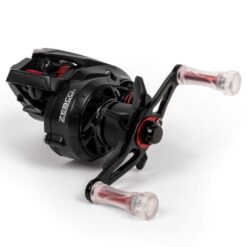
Zebco Demonic Finesse Baitcaster 100 LHW
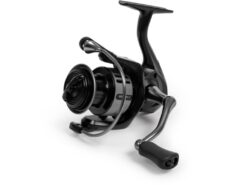
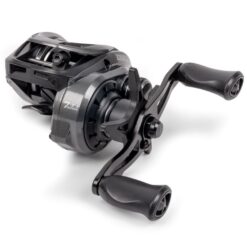
Zebco Demonic XT 200 LHW 5BB 0.20mm/140m
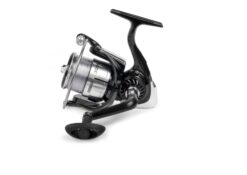
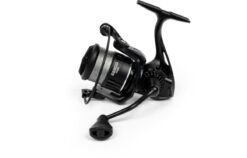
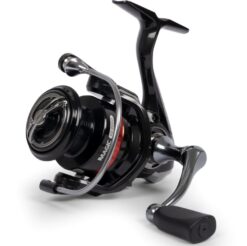
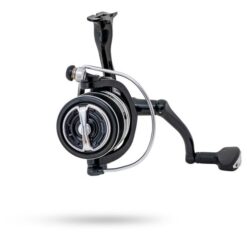
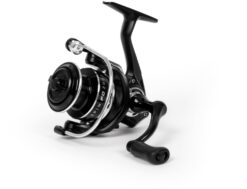
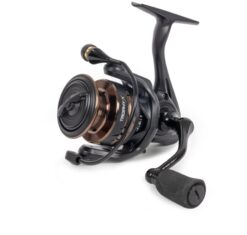
Showing 48 of 378 products
The right reel depends mostly on the style of fishing and the size of fish being targeted. The main types are fixed spool reels for general use, big-pit and freespool reels for carp, and smaller reels built for coarse, match and float work.
Big-pit reels suit long-range carp fishing because the large spool holds plenty of line and helps with distance casting. Freespool, or baitrunner, reels let line pay off freely on a take, which is why they are popular for carp and specimen fishing where a rod sits in a rest.
Coarse and match reels are smaller and lighter, with a faster retrieve that suits float fishing and feeder work at closer range. Sea reels are built tougher to cope with salt water and heavier weights, and come as both fixed spool and multiplier designs.
Reel size and line capacity decide how much line a reel holds and how it balances with the rod. Gear ratio sets the retrieve speed, and the drag system controls how line is given to a running fish, which matters more as the target fish get bigger.
Other points worth weighing are the number of bearings, the spool material and any quick-drag or clutch features, since these affect how smooth and reliable the reel feels in use. A reel should match the rod it sits on so the whole setup balances well.
The guide linked below explains the reel types and the specs that separate them in more detail.
There are 66 fishing reels in this list, with 46 of them reviewed. For each one we track the price across the retailers we monitor and show the lowest in-stock figure so it is easy to see where to buy.
Our reviews look at the things that decide whether a reel is worth the money, such as drag performance, build quality, line lay and how smoothly it winds under load. To read more about picking between the reel types, see our best fishing reels guide.
It depends on the fishing. Big-pit and freespool reels suit carp and specimen work, smaller fixed spool reels suit coarse and match fishing, and tougher salt-resistant reels suit sea fishing.
A baitrunner, or freespool, reel has a second drag that lets line pay off freely when a fish takes the bait. A standard fixed spool reel keeps the spool locked to the main drag.
Larger reels hold more line and suit long-range and big-fish work, while smaller reels are lighter and better for close-in float and feeder fishing. Match the reel size to the rod and the distance being fished.
Gear ratio is how many times the spool turns for one turn of the handle. A higher ratio gives a faster retrieve, while a lower ratio gives more cranking power for heavy work.
A good drag releases line smoothly under pressure without jerking, which protects the line when a fish runs. Smoothness and the ability to adjust it precisely matter more as the target fish get bigger.
More bearings usually mean a smoother wind, but build quality matters more than the headline number. A few well-made bearings can feel better than many cheap ones.
It is possible for light work, but salt water is hard on reels not built for it. A dedicated sea reel with corrosion resistance lasts far longer in those conditions.