

Single Bite Alarms
Find single bite alarms and the shop selling each one cheapest, with every head price-checked live against reputable online tackle shops. The filters sort by brand, tone and price so you can match a head to a set you already own.
Read more Read less
Each head shows its lowest in-stock price and how many of our verified shops we compared to find it.
Buying individual heads lets you add to an existing set or replace a single unit without paying for a new boxed kit.
Sort by review score to see which alarms our testers rated highest before you check who has it in stock.
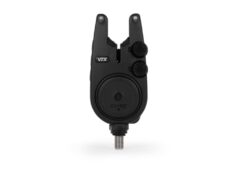
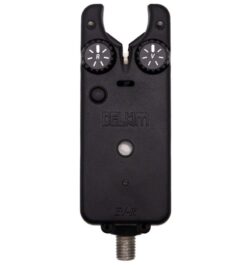
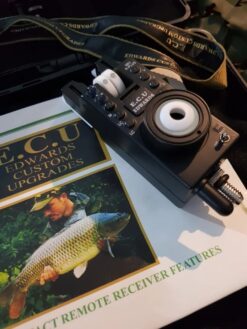
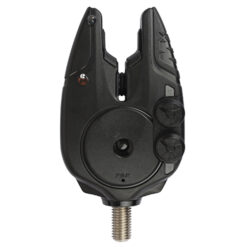
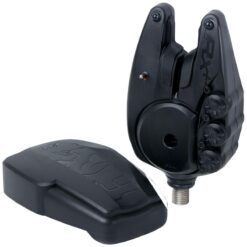

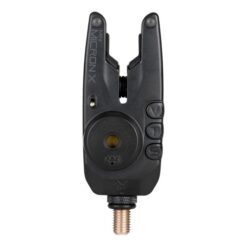
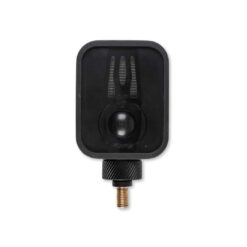

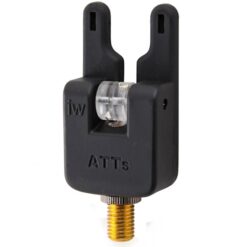
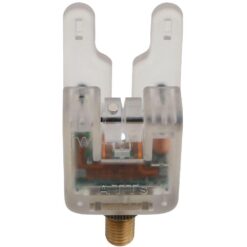
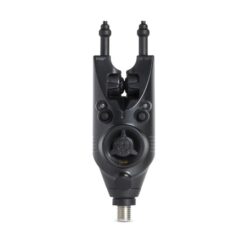
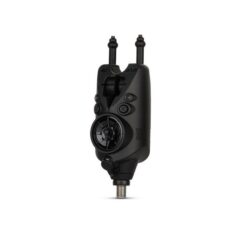
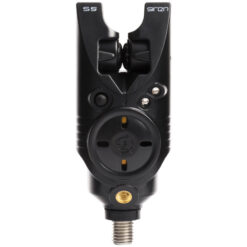


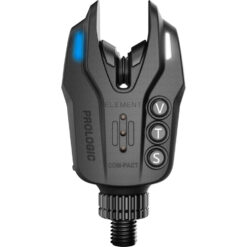
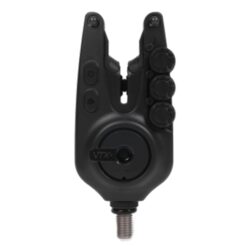
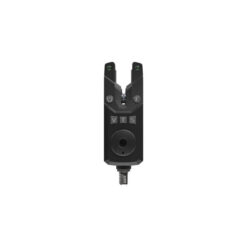
Prologic Element Com-Pact Alarm Wireless
Price Compared
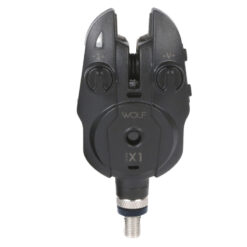
No products match those filters.
How to Choose a Single Bite Alarm
A single bite alarm is one alarm head bought on its own, rather than as part of a boxed set with a receiver and presentation case. Anglers buy them to expand a three or four rod setup, swap a faulty unit, or build a system head by head.
The detection method is the main split. Roller wheel alarms read line movement on a small wheel and tend to be sensitive to slow, dropping takes, while vibration or magnetic types react to the line moving across a sensor with no moving parts to clog.
Both work well, so the choice often comes down to how a head matches the alarms already in use.
Tone and volume controls decide how easy each head is to tell apart on the bank. Separate tone, volume and sensitivity dials let several heads run side by side without their sounds blurring into one, which matters on multiple rods or a busy lake.
Weatherproofing and the housing material affect how long a head lasts in the wet. Sealed units cope better with rain and spray, and a metal or reinforced body survives knocks in transit better than thin plastic.
Battery type and life are worth checking too, since a head left switched on overnight needs to last a session.
Compatibility is the last thing to confirm. A new head should match the thread and fittings of any bank sticks or buzz bars already owned, and ideally pair with the same receiver if one is in use.
The guide below covers the detection types in more depth.
Single Bite Alarm Prices and Reviews
There are 25 single bite alarms listed here, of which 9 have a full hands-on review. Prices run from simple entry heads up to remote-capable units, so there is a head for topping up a budget setup or upgrading to a specialist system.
Every review is built from time on the bank, judging detection, sound clarity, weatherproofing and how the head holds up over a season rather than spec-sheet claims. For a fuller breakdown of detection types and what suits different fishing, see our guide to the best bite alarms.
Frequently Asked Questions
What is a single bite alarm?
It is one bite alarm head sold on its own, without the receiver or presentation case that comes with a boxed set. Anglers buy them to add to an existing setup or replace one faulty unit.
Can I buy bite alarms individually?
Yes, many ranges sell heads singly so you can build up a set one at a time. It also lets you swap a single damaged alarm without replacing the whole set.
Will a single alarm head match my existing set?
Heads from the same range usually pair on tone and receiver, while a head from another brand will still work as a standalone alarm. Check the thread fits your bank sticks and buzz bars before buying.
Do single bite alarms work with a receiver?
Remote-capable heads pair with a matching receiver so you can monitor takes away from the rods. Simpler heads sound on the unit itself and do not link to a receiver.
How do I tell several single alarms apart on the bank?
Heads with separate tone and volume dials let you set each one differently so you know which rod has signalled. This is the main reason anglers pick alarms with full adjustment when running several rods.
Are single bite alarms cheaper than a set?
A single head costs less than a full boxed set, but a set works out cheaper per alarm if you need several plus a receiver. Buying heads singly suits topping up or replacing rather than starting from scratch.