

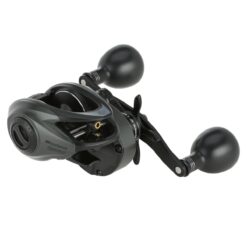
Multiplier & Baitcasters
Find a lure or predator baitcaster here and see who has it cheapest, with every reel price-checked against reputable online tackle shops. Sort by brand, price band or review score to land on the right reel and the best place to buy it.
Read more Read less
Each reel on this page shows its lowest live price and the shops we compared to find it, so you can weigh up the spend before you commit.
The list runs from a first low-profile baitcaster to a high-spec specialist tool, and you can filter it down to the type and budget you have in mind.
Where a reel has been through a full hands-on review, you can sort by score to see how it rated on the bench and on the water.
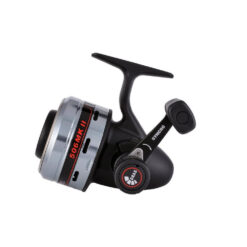
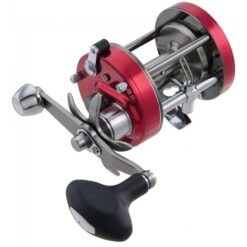
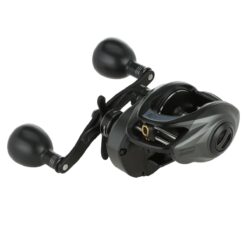
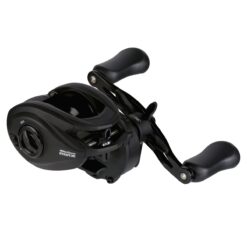
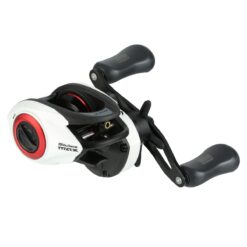
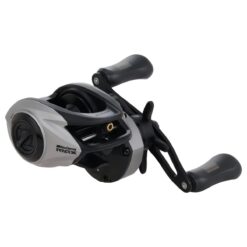
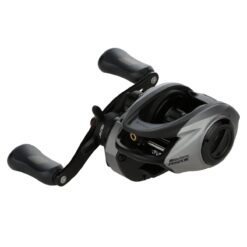
Abu Garcia Max5 XLP Max X Low Profile Reel
Price Compared
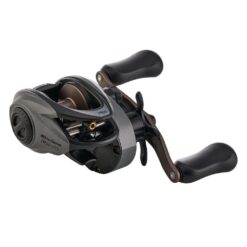
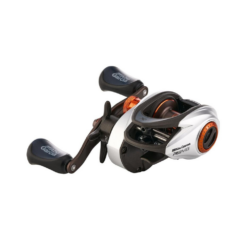
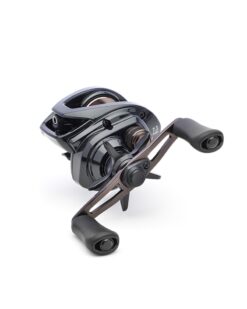

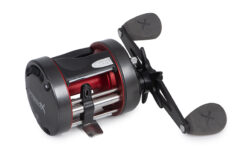

Okuma Ceymar C101-A LH Baitcasting Reel
Price Compared
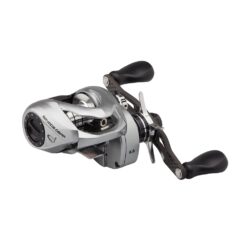
Savage Gear SG10 250 Multiplier Reel Left Hand
Price Compared
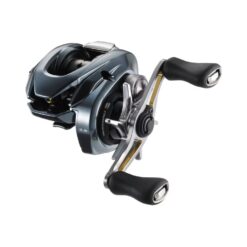
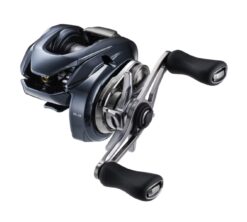
Shimano Aldebaran DC 31 Left Hand Reel
Price Compared
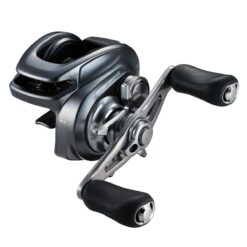
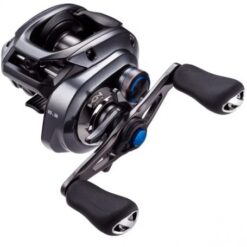
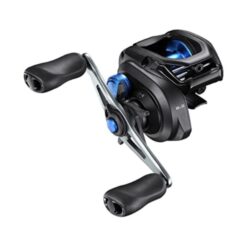
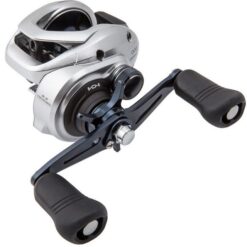
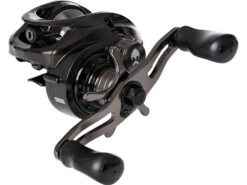
Westin W2-BC 201 MSG Baitcasting Reel Left Hand
Price Compared
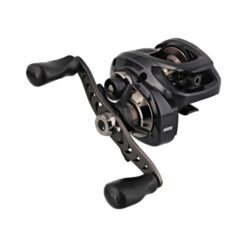
Westin W4-BC SSG Metallic Trooper Baitcasting Reel
Price Compared
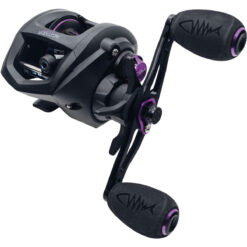
Wychwood Agitator S1 200 Baitcasting Reel
Price Compared

Wychwood Agitator S1 Baitcasting Reel
✓ Reviewed 8.0 / 10
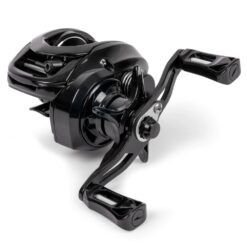
Zebco Demonic All Black Baitcaster 150 LHW Reel
Price Compared
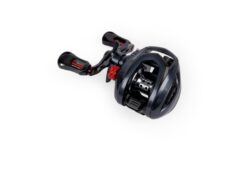
Zebco Demonic Baitcast 150 LHW 6BB 0.23mm/200m
Price Compared
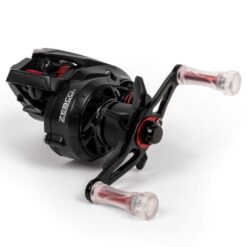
Zebco Demonic Finesse Baitcaster 100 LHW
Price Compared
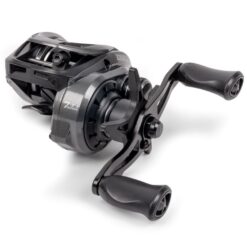
Zebco Demonic XT 200 LHW 5BB 0.20mm/140m
Price Compared
No products match those filters.
How to Choose a Lure or Predator Baitcaster
Baitcasting and multiplier reels sit on top of the rod and let the line run straight off the spool, which gives direct control of the cast and the retrieve. The reel is governed by the thumb on the spool and by an internal brake, so it suits anglers who want to place a lure accurately rather than just cast it far.
Low-profile baitcasters are the common choice for lure fishing, as they are compact and comfortable to palm through a long session of casting and working baits. Round multipliers hold more line and stand up to heavier work, which makes them better suited to bigger lures and larger predators.
The braking system is the part that most affects how the reel fishes. Magnetic brakes are simple to set and forgiving for anglers newer to the style, while centrifugal and dual-brake setups give finer control once the casting stroke is grooved in.
Gear ratio decides how quickly line comes back onto the spool, so a faster ratio helps with fast retrieves and burning a lure home, and a lower ratio gives more cranking power for big baits. Line capacity should match the diameter you intend to fish, since braid and heavier mono take up the spool at different rates.
The reel needs to balance with the rod and the lure weight it will throw, because a reel set up for light lures will overrun with a heavy one and a reel built for big baits feels clumsy with finesse work. Matching the reel to the rod's casting range keeps the whole setup working together.
For more on narrowing the choice to a setup that fits your fishing, see the buying guide below.
Lure and Predator Baitcaster Prices and Reviews
There are 30 reels listed on this page, and 2 of them have been through a full eTackle review. For each one we track the price across the shops we cover and show the lowest in-stock figure so you can see who is cheapest at the moment you look.
A review here covers how cleanly the reel casts, how the brake behaves, the smoothness of the retrieve and how well the build holds up to lure work. For more on picking the right reel for predator work, see our guide to the best pike fishing reels.
Frequently Asked Questions
What is a baitcaster reel used for?
A baitcaster sits on top of the rod and runs the line straight off the spool, which gives accurate casting and direct control when working lures. It is widely used for lure and predator fishing where placement matters more than distance.
What is the difference between a baitcaster and a multiplier?
Both sit on top of the rod and the terms overlap, but baitcaster usually means a compact low-profile reel for lure work. Multiplier often refers to a rounder, higher-capacity reel for heavier baits and bigger fish.
Are baitcasters hard to use for beginners?
They take a little practice, as the spool can overrun if the brake and thumb pressure are not set correctly. A reel with an adjustable magnetic brake makes the learning curve easier to manage.
What gear ratio is best for lure fishing?
A higher gear ratio retrieves line quickly and suits fast lures and burning baits back. A lower ratio gives more cranking power for large lures and bigger predators.
What line should I use on a baitcaster?
Braid is popular for lure fishing because it casts well and gives direct contact with the lure. Match the line diameter to the reel's stated capacity so the spool fills correctly.
How do I stop a baitcaster from backlashing?
Set the brake firmer to begin with and feather the spool with your thumb as the lure slows in the air. As your casting improves you can ease the brake off for more distance.