




Shop by category
Find your sea fishing tackle
 Sea Fishing Rods104 products
 Sea Fishing Reels52 products
 Terminal Tackle88 products
 Starter Kits9 products
More sea fishing tackle
Buying guides
See all guidesNot sure what to buy?
Our sea fishing guides, each with scored picks and today’s prices.
All sea fishing tackle
Most popular right now
Daiwa Seahunter Z Beachcaster Rod
✓ Reviewed 8.4 / 10


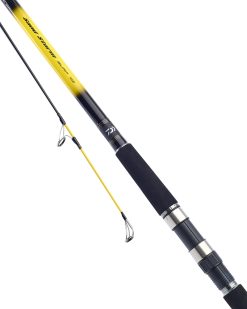
Daiwa Sandstorm Multiplier Surf Rod
✓ Reviewed 8.5 / 10


Shakespeare Firebird Beachcaster Combo
✓ Reviewed 7.8 / 10


Wychwood Agitator S1 Baitcasting Reel
✓ Reviewed 8.0 / 10

Anyfish Anywhere Four&Bait Mk2 Combo
✓ Reviewed 8.1 / 10

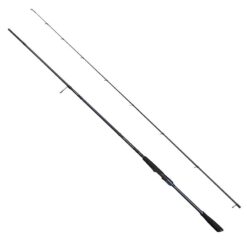
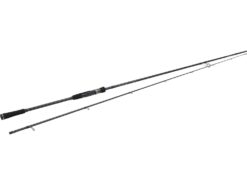
Savage Gear Defiance SG2 Medium Game Spinning Rod
✓ Reviewed 8 / 10

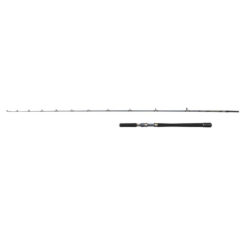
Penn Battalion Solid Hybrid Boat Rod
✓ Reviewed 8.6 / 10
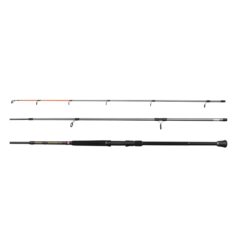


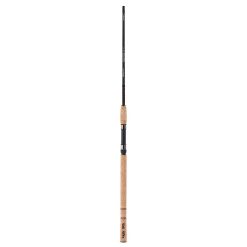
Shakespeare Ugly Stik Elite Spinning Rod
✓ Reviewed 7.9 / 10

Shakespeare Ugly Stik GX2 Kayak Rod
✓ Reviewed 7.6 / 10


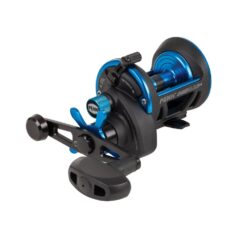

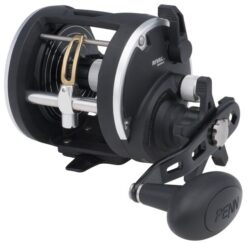
Penn Rival Level Wind Multiplier Reel
✓ Reviewed 8 / 10
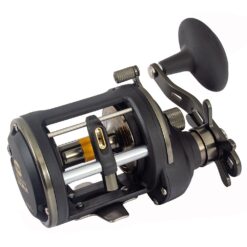

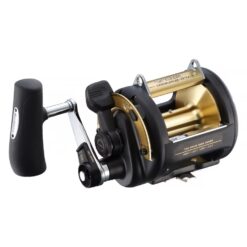
Shimano TLD II A Reel 50lb 2-Speed Right Hand
✓ Reviewed 8.5 / 10


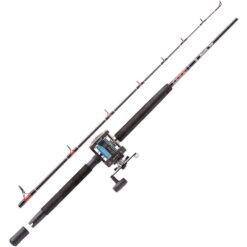
Abu Garcia Muscle Tip Mt Boat Rod Reel Combo
Price Compared

Cox & Rawle All Round Beach Distance Rig
Price Compared
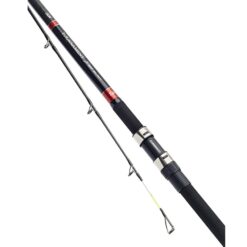



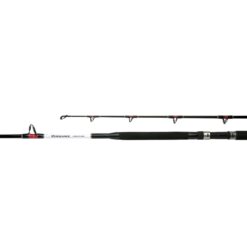


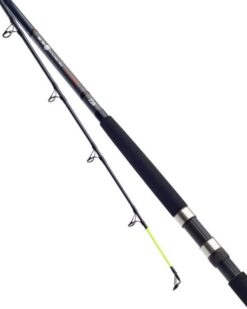


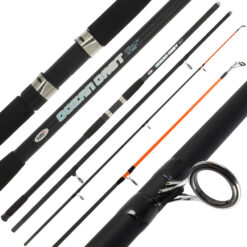
NGT Oceancast 14ft 3pc 4-7oz Beachcaster
Price Compared
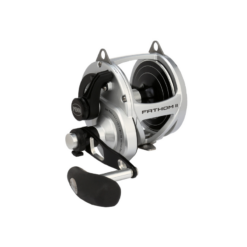
PENN Fathom ii Lever Drag 2 Speed Reel
Price Compared
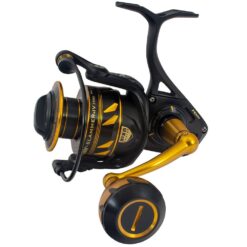


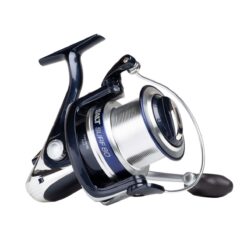
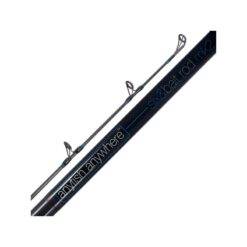
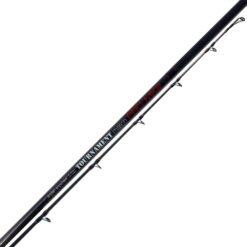
Anyfish Anywhere Tournament Match Pro MK2 Rod 13ft 11in
Price Compared
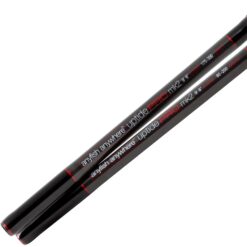
Anyfish Anywhere Uptide Pro MK2 Rod- 9ft 6in
Price Compared
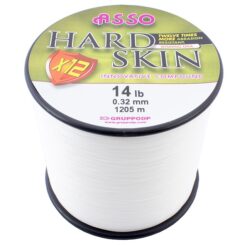
Asso Hard Skin Co-Polymer Line 4oz Spool
Price Compared
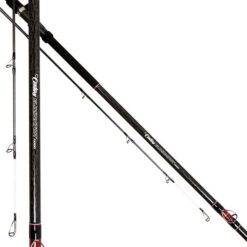
Century Eliminator T1000 Rod 14ft 10in 125-200g
Price Compared
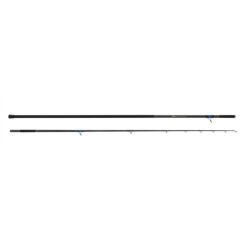
Century Eliminator T900-SGT Rod 14ft 4in 125-200g
Price Compared
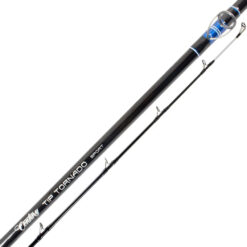
Century Tip Tornado Graphex Sport Rod 13ft 11in 125-225g
Price Compared

Century Tip Tornado Graphex Supermatch Rod
Price Compared
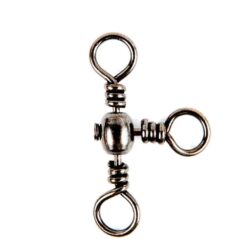
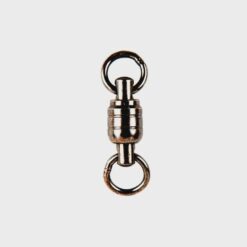







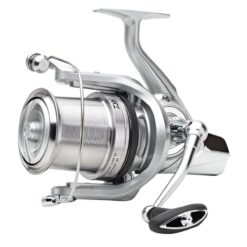
Daiwa 20 Crosscast Surf 5000C QD 45SCW Reel
Price Compared
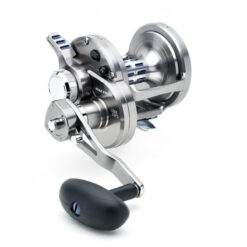
Daiwa 20 Saltiga LD 2 Speed Multiplier Reel
Price Compared
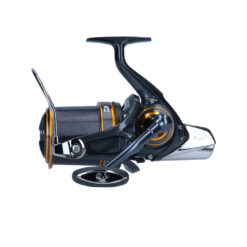

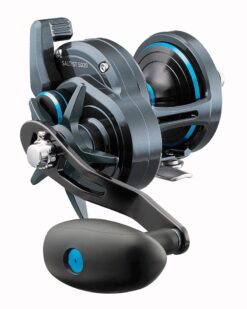
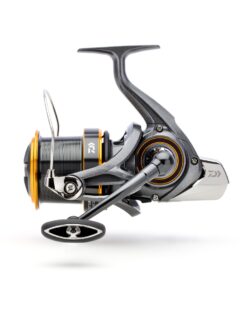
Daiwa 26 Crosscast 35 SCW Surf Reel 5000Cqd
Price Compared
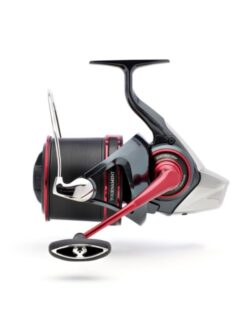
Daiwa 26 Tournament Basia Surf 45SCW QD
Price Compared
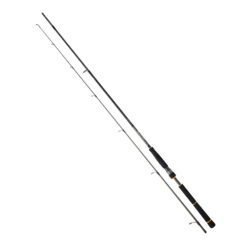
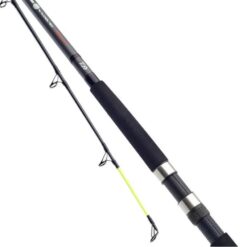
Daiwa D Wave Boat Rod 2030 Rod 7ft 20 30lbs
Price Compared
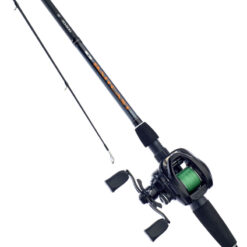
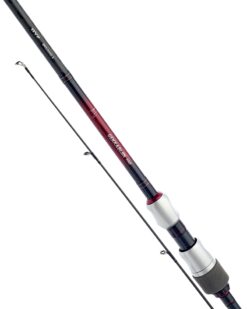
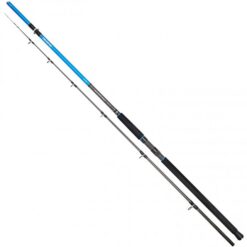
Daiwa Kenzaki Uptide Rod 9ft 6in 4-10oz 2pc
Price Compared
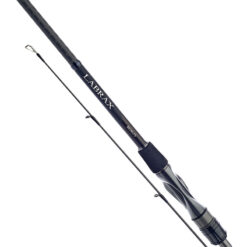
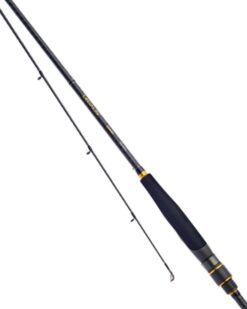
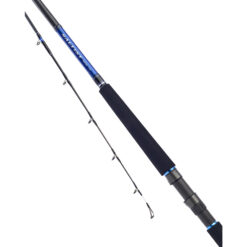
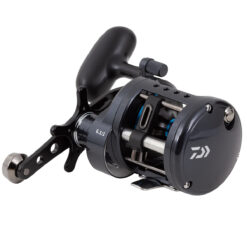
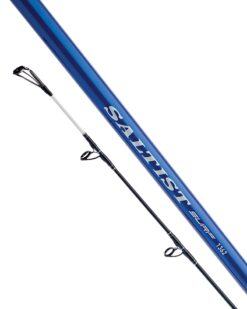
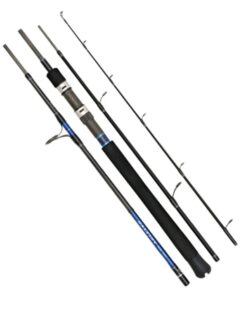
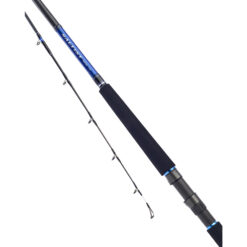
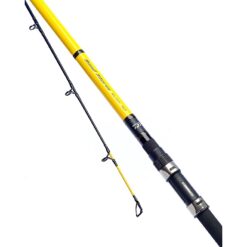
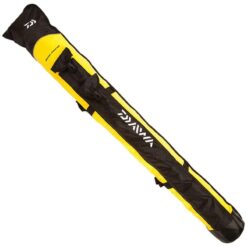
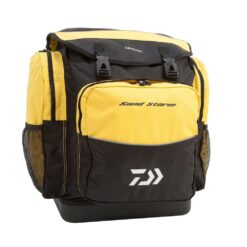
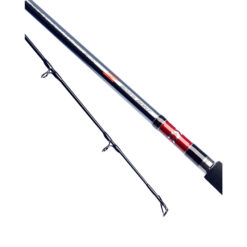
Daiwa Seahunter Z Boat Rod 7ft 8inch 20 30lb
Price Compared

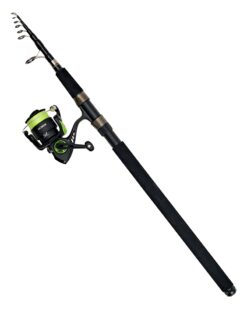
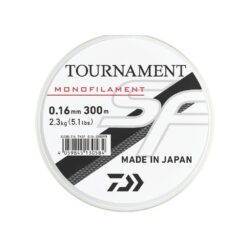


Dennett Pro Series Cod Clipped Down Pennel Rig
Price Compared


Dennett Saltwater Pro 3 Hook Assorted Slasher Rigs
Price Compared

Dennett Saltwater Pro 3 Hook Black and Red Jumbo Hokkai Rigs
Price Compared


Dennett Saltwater Pro 3 Hook Jumbo Hokkai Rig
Price Compared

Dennett Saltwater Pro 3 Hook Pink Jumbo Hokkai Rigs
Price Compared

Dennett Saltwater Pro 3 Hook Red Feather Rigs
Price Compared

Dennett Saltwater Pro 3/0 Hook White Pollack Feather Rigs
Price Compared

Dennett Saltwater Pro 5 Hook Blue/White Feather Rigs
Price Compared

Dennett Saltwater Pro 5 Hook Mackerel Glow Rig
Price Compared

Dennett Saltwater Pro 6 Hook White Feather Rigs
Price Compared

Dennett Saltwater Pro Silver Flash 4 Hook Rigs
Price Compared

Dennett Saltwater Pro Sparkle Red 5 Hook Rigs
Price Compared
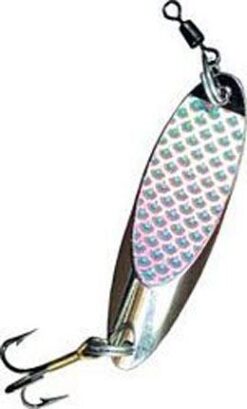


Leeda 9ft Saltwater Spin Sea Fishing Rod
Price Compared


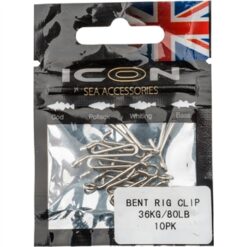


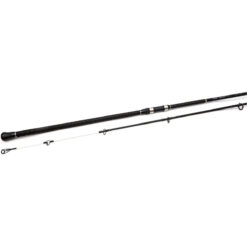
Leeda Surf Zone 10ft 3-5oz Fishing Rod
Price Compared

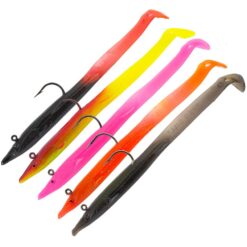
Lemco Red Gill Cod/Pollock Selection Pack
Price Compared
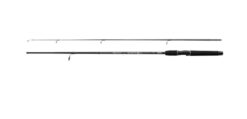
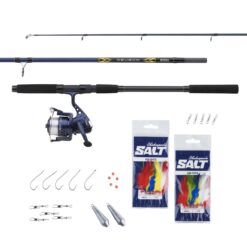
Mitchell Neuron Mackerel Combo Set 303 100-200g – 6000
Price Compared
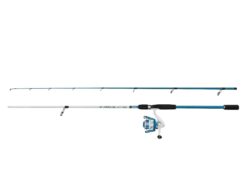
Mitchell Neuron SW II Spin 240 10-40g Combo
Price Compared
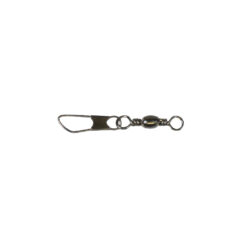
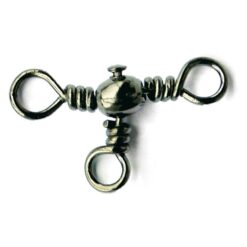
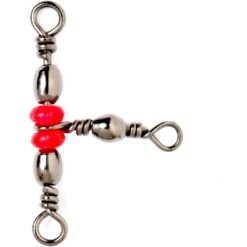
Mustad MA024-BN (77700) Three Way Cross Barrel Swivel
Price Compared
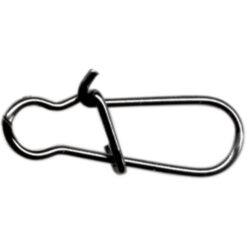
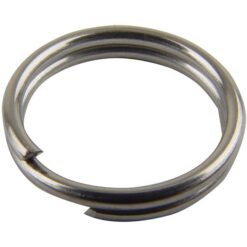
Mustad MA031-NI (9950N) Round Split Rings
Price Compared
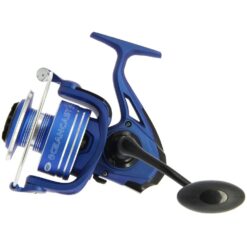
NGT Oceancast 90 5+1BB Sea Reel with Aluminium Spool
Price Compared
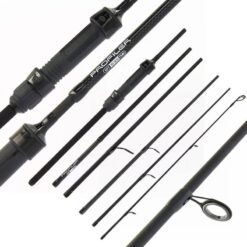
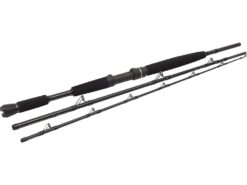
NGT Profiler Travelmaster 6ft 6pc Travel Rod
✓ Reviewed 7.8 / 10

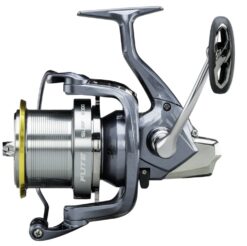

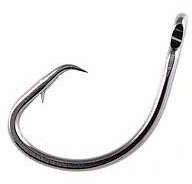
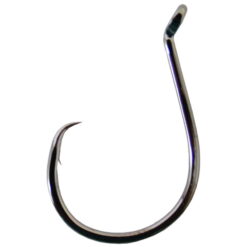
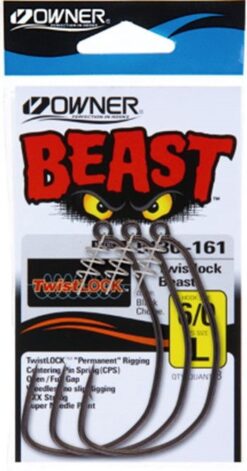
Owner Unweighted Beast Twistlock (5130) Hooks
Price Compared

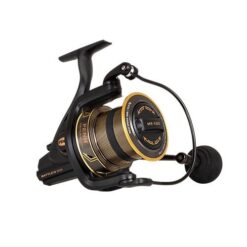
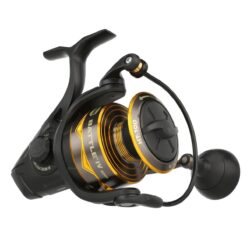
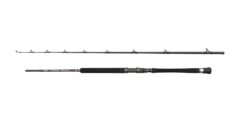
Penn Carnage Viking Edition Boat Rod 702
Price Compared
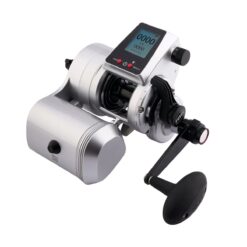
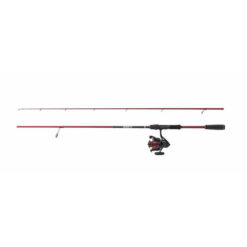
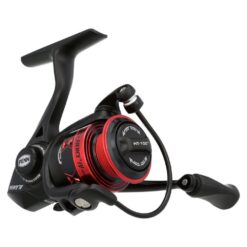
Penn Fierce IV Labrax 242 15-40g 3000 Combo
Price Compared


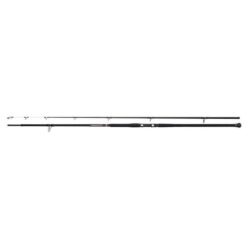
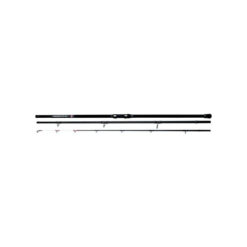
Penn Prevail III LE Beach Rod 393 4-6oz
Price Compared
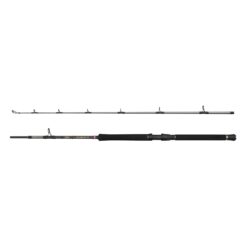

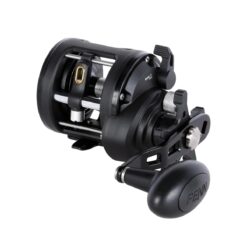
Penn Rival II Level Wind Conventional Reel
Price Compared
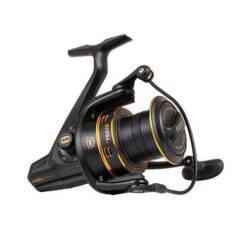
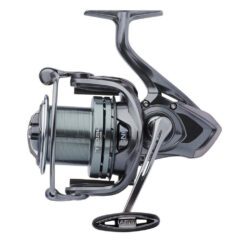
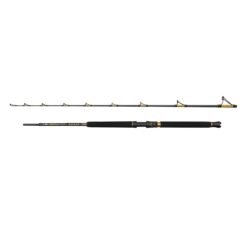
Penn Squall II Viking Edition Boat 702 Rod
Price Compared
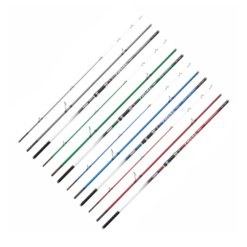
Penn Tidal Beach Caster Rod 14ft 420 4-8oz Slide
Price Compared
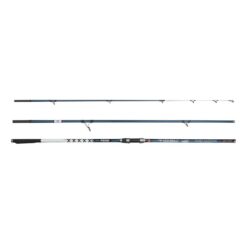
Penn Tidal X 453 K Hybrid Sensitip Rod 15ft
Price Compared
Penn Tidal XT 423 Lowrider Solid Carbon Tip Rod
Price Compared
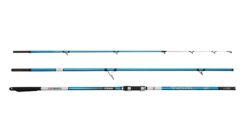
Penn Tidal XT 453 K Hybrid Sensitip Rod
Price Compared
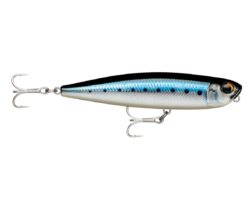
Rapala Precision Xtreme Pencil Saltwater Lures
Price Compared
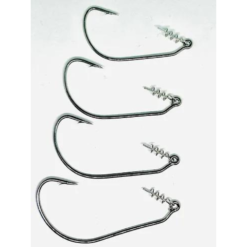
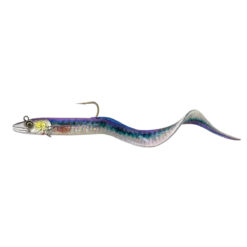
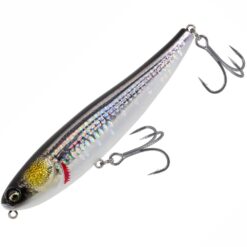
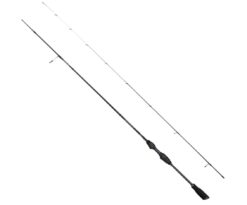
Savage Gear Defiance SG2 UL Game Rods 2.13M/2-9G
Price Compared
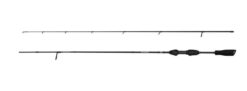
Savage Gear Revenge SG2 Micro Game Spinning Rods
Price Compared
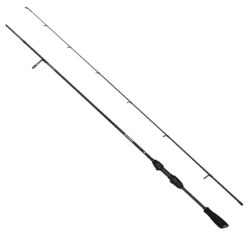
Savage Gear Revenge SG2 Ultra Light Game Rods
Price Compared
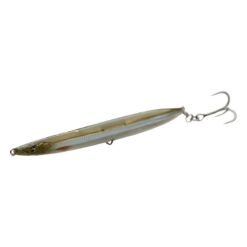
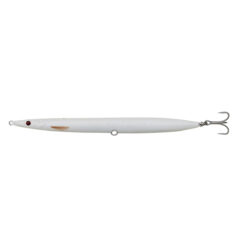
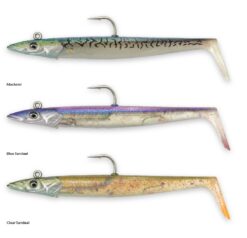
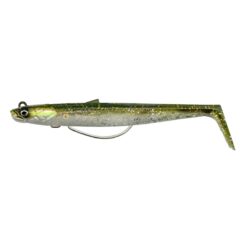
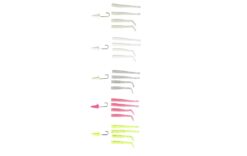
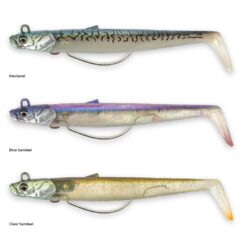
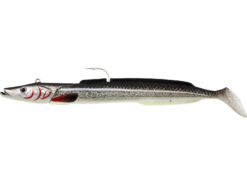
Savage Gear Sandeel V2 Weedless 2P1 Sinking Lure
Price Compared

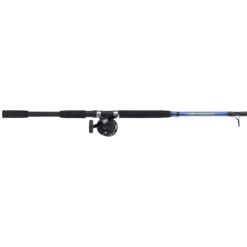
Shakespeare Firebird Boat Combo 2.1m 20-30lb LH
✓ Reviewed 7.7 / 10
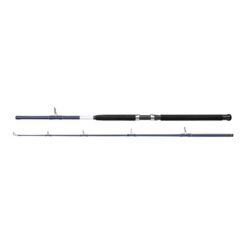

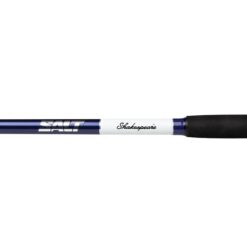
Shakespeare Salt Mackerel Spinning Rod 302 10ft
Price Compared


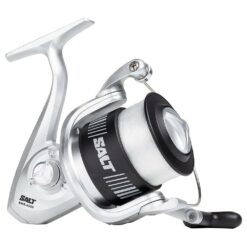
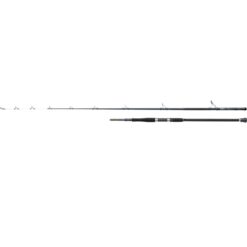


Shakespeare Ugly Stik GX2 7ft 9in Boat Rod
Price Compared
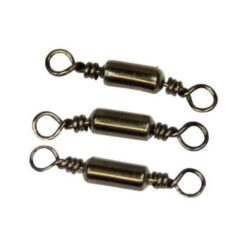
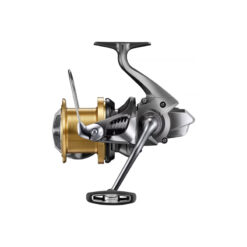

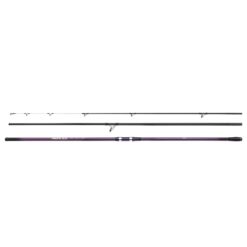
Shimano Aerlex Surf Tubular 4.25m 200g 3pc Low Rider DPS
Price Compared
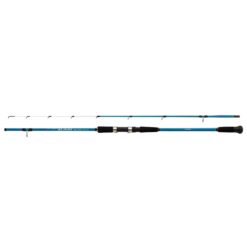
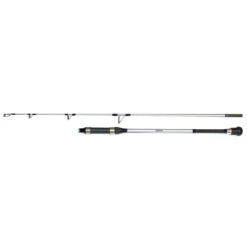
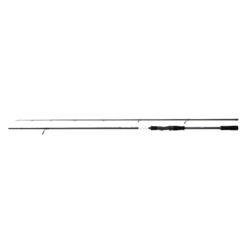
Shimano Sea Bassterra XT+ Spin Sea Bass
Price Compared


Shimano Ultegra XR Surf T Rod 4.50m 3pc
Price Compared
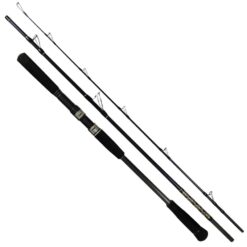
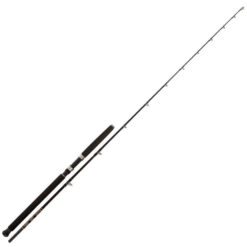
Snowbee Deep Blue2 S-Flex IGFA Boat Rod
Price Compared

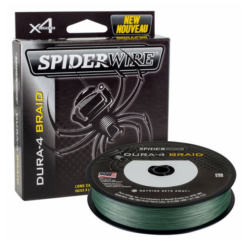
Spiderwire Dura 4 Braid Moss Green 300m
Price Compared
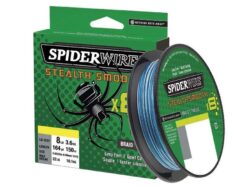
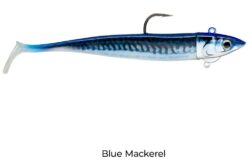
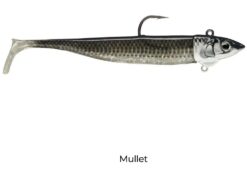
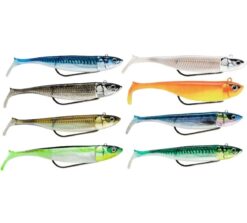


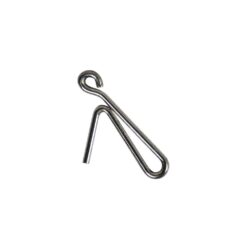
Tronix Fishing Big Bait Casting Snap Max Packs
Price Compared
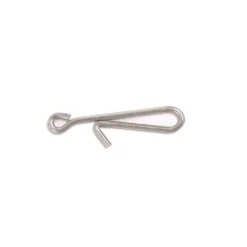
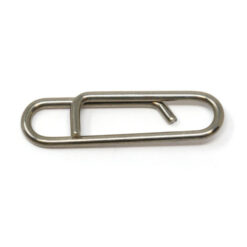
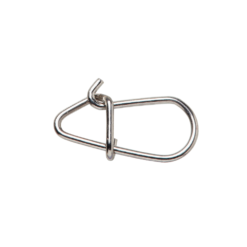
Tronix Fishing Quick Change Link Max Packs
Price Compared
Showing 48 of 279 products
No products match those filters.
What Sea Fishing Tackle Do You Need?
For shore fishing, the basics are a rod and reel, line with a shock leader, a few ready-made rigs, leads, hooks and bait. A rod rest or tripod, a headtorch and a bucket or bag for your kit make a session much easier.
Where you fish decides the rest, as a sandy beach, a rocky mark, a pier and a boat all ask for slightly different tackle. You don't need a rod licence for sea fishing, which makes it one of the cheapest ways to get into angling.
Beachcasters, Bass Rods and Boat Rods
A beachcaster of 12ft to 14ft, rated for leads of around 4oz to 6oz, is the standard rod for casting from the shore. That length helps you cast further and keep the line above the surf.
Lighter 9ft to 10ft rods are a good shout for piers, rocks and estuaries, and they're ideal for spinning for bass and mackerel. Boat rods are much shorter and rated by line class, such as 12lb, 20lb or 30lb, to match the depth and the fish.
Fixed Spool or Multiplier Reels
So, fixed spool or multiplier? A large fixed spool reel, usually 6000 to 8000 size, is the easier choice for beginners, as it casts well and rarely tangles.
Multiplier reels can cast further and have more winching power, but they take practice to avoid overruns. For boat fishing, a multiplier with a lever or star drag is the usual pick.
Line and Shock Leaders
A mainline of around 15lb to 18lb mono suits most beach fishing, while braid is popular for boat and lure fishing. Bright line is easier to see against the waves, which helps you spot bites and avoid tangles with other anglers.
Here's the thing about casting a heavy lead: without a shock leader, your mainline can snap on the cast. The rule of thumb is 10lb of leader for every ounce of lead, so a 5oz lead needs a 50lb leader.
Rigs, Leads and Terminal Tackle
Ready-made rigs are a simple way to start, and a few patterns cover most fishing. Flapper rigs with two or three hooks suit flatfish, whiting and dabs, while pulley rigs are better for bigger fish over rough ground.
Grip leads have wires that hold the bottom in a strong tide, while plain leads let the bait roll around and are better for rough ground. Feathers are the classic way to catch mackerel in summer, and you'll get through plenty of hooks, swivels and beads.
Hooks around size 1 or 2 suit smaller fish, while bigger baits for cod, bass and rays need something from 2/0 to 4/0.
Bait and Lures
Lugworm and ragworm are the most popular sea baits, and they'll catch most species around the UK coast. Squid, mackerel strip, peeler crab and sandeel are all worth trying, especially for bass, cod and rays.
Lure fishing is growing fast, with metal lures, soft plastics and surface lures all catching bass, pollack and mackerel. It's a mobile way to fish, so you only need a rod, a reel and a small bag of lures.
Looking After Your Sea Tackle
Saltwater is hard on tackle, so rinse your rod, reel and terminal tackle in fresh water after every session. Let it all dry before you put it away, and a drop of reel oil now and then keeps things running smoothly.
Why does this matter? A reel left salty for a few weeks can seize, and rusty hooks are weak hooks.
Sea Fishing Tackle Prices and Reviews
There are 279 sea fishing products here, and 46 of them have a full eTackle review. Every listing shows the lowest in-stock price from reputable UK online retailers, with prices checked every day.
Our reviews look at how sea tackle copes with the real thing, from casting heavy leads to standing up to saltwater. If you're starting with a rod, the best sea fishing rods guide covers beach, bass and boat rods.
Frequently Asked Questions
What tackle do I need for sea fishing?
From the shore, you'll need a 12ft to 14ft beachcaster, a 6000 to 8000 size fixed spool reel, 15lb to 18lb line with a shock leader, ready-made rigs, leads, hooks and bait. A tripod and a headtorch are worth adding for longer sessions.
What is the best rig for sea fishing?
A two-hook flapper rig is the best all-rounder for flatfish, whiting and smaller species. For bigger fish such as cod, bass and rays, a pulley rig is a better choice, especially over rough ground.
What size reel is best for sea fishing?
A 6000 to 8000 size fixed spool reel is the best choice for most shore fishing. Smaller 3000 to 4000 size reels suit lighter lure fishing for bass and mackerel.
Do I need a shock leader for sea fishing?
Yes, whenever you cast a heavy lead from the shore. Allow 10lb of leader for every ounce of lead, so a 5oz lead needs a 50lb leader.
Do I need a licence for sea fishing in the UK?
No, you don't need a rod licence to fish in the sea. You do need to follow minimum sizes and catch rules, such as those for bass, and these can change, so check the latest rules before you keep any fish.
What is the best bait for sea fishing?
Lugworm and ragworm are the best all-round baits and catch most species. Squid, mackerel, peeler crab and sandeel are better for bigger fish such as bass, cod and rays.
What lures work for sea fishing in the UK?
Metal lures and feathers are hard to beat for mackerel and pollack. For bass, soft plastic sandeels, shallow-diving plugs and surface lures all work well.