

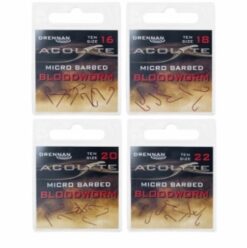
Coarse Fishing Hooks
Coarse fishing hooks include fine-wire spade-end patterns for maggots and casters, stronger eyed hooks for pellets and hair rigs, and feeder patterns for larger baits. eTackle compares current shop prices so you can weigh up eyed, spade-end, barbed, barbless and ready-tied options in one place.
Read more Read less
There is no universal coarse hook choice because anglers favour different patterns for their bait, method and target species. Fishery rules also determine whether barbed or barbless hooks may be used.
A spade-end hook is whipped directly to the shank and is widely used for pole and float fishing. Eyed hooks accept a conventional knot and are often the practical choice for hair rigs, stronger hooklengths and larger baits.
Fine wire can keep a small bait looking natural, while heavier-gauge and forged hooks provide more strength for carp, barbel and demanding feeder work. Compare the pattern, size, barb type and packet quantity before weighing up the prices.
Explore related coarse fishing categories:
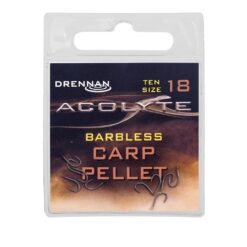
Drennan Acolyte Carp Pellet Barbless Hooks
Price Compared
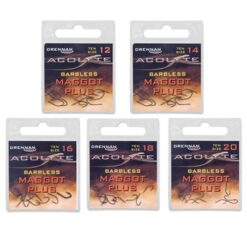
Drennan Acolyte Maggot Plus Barbless Hooks
Price Compared
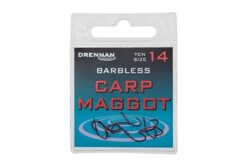
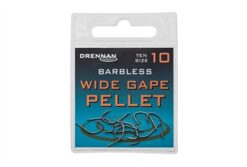
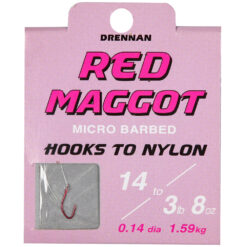
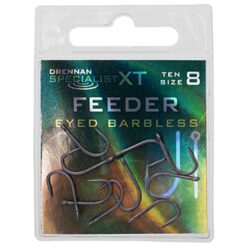
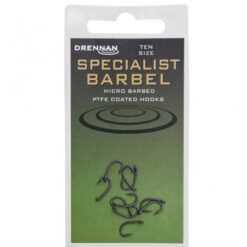
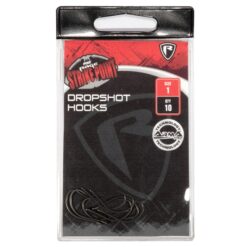
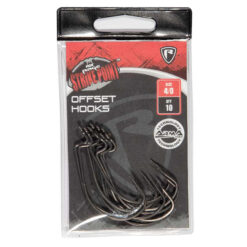
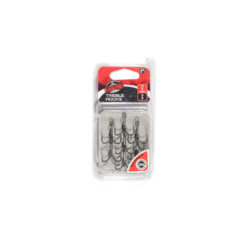
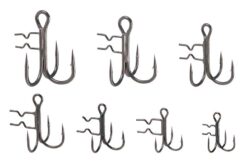
Fox Rage Strike Point Stinger Treble Hooks
Price Compared
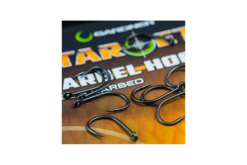
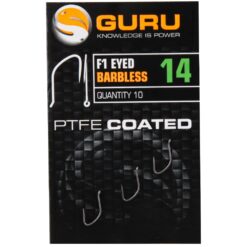
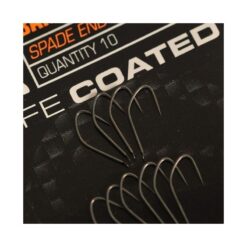
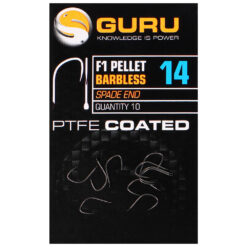
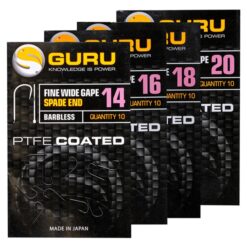

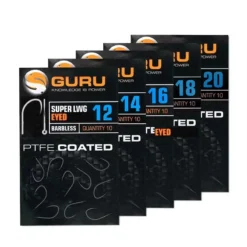
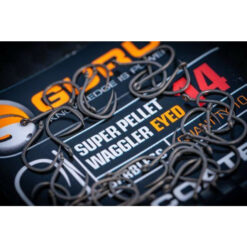
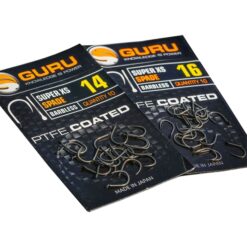
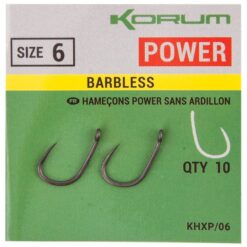
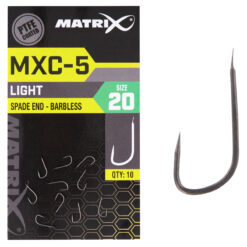
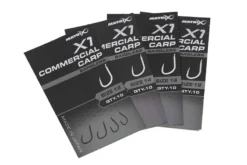
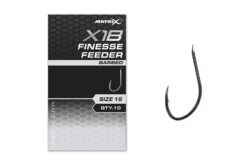
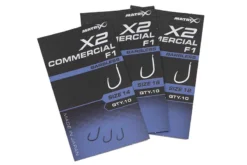
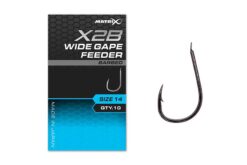
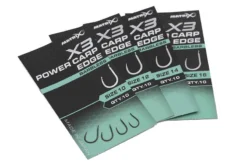
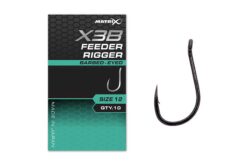
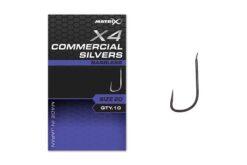
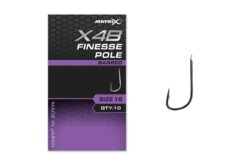
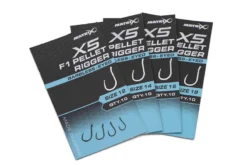
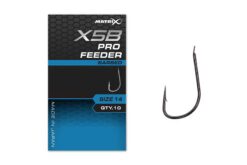
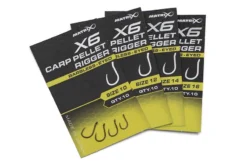
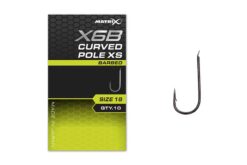
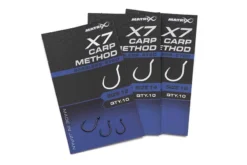
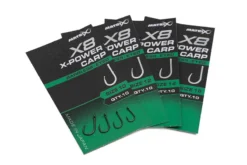
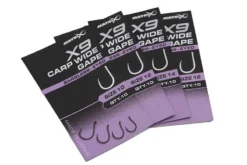
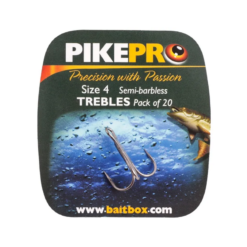
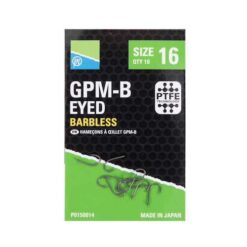
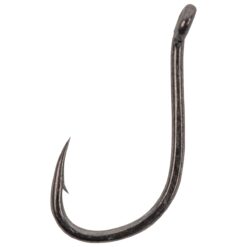
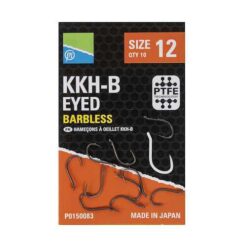
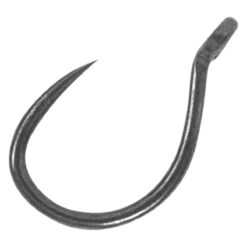
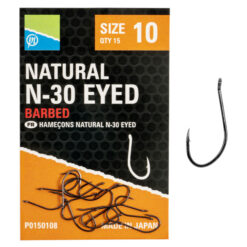
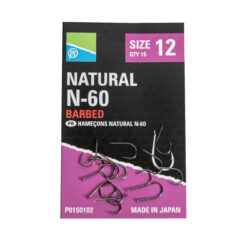
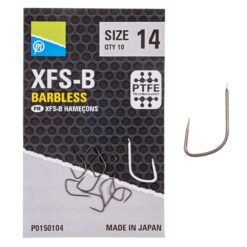
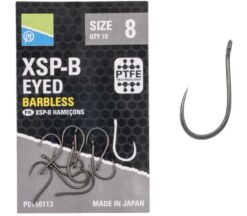
No products match those filters.
Spade-End and Eyed Coarse Hooks
Spade-end hooks have no eye, so the line is whipped along the shank and around the flattened spade. They are common on ready-tied pole and float rigs where a light, neat presentation is important.
Eyed hooks are tied through the eye and suit many feeder, ledger and hair-rig presentations. The eye also makes them easier to use with heavier hooklengths and larger hookbaits.
Matching the Hook to Bait and Species
Small maggots, pinkies and casters normally need a lighter, smaller hook than corn, pellets, meat or a bunch of worms. The point and gape should remain clear of the bait so the hook can take hold.
Fine-wire hooks can suit roach, skimmers and cautious bites, while stronger patterns give more security around carp, tench and barbel. Long shanks can make frequent unhooking easier when small fish are being caught quickly.
How Coarse Hook Packs Differ
Packet quantity varies between patterns and sizes, so compare the price per packet alongside the number of hooks supplied. Ready-tied hooks include line and preparation that loose hooks do not, which makes their prices a different comparison.
Two similar-looking patterns may also use different wire, coatings or barb styles. Check those details and the fishery rules before choosing on price alone.
Frequently Asked Questions
Should I use an eyed or spade-end hook?
Spade-end hooks suit light pole and float rigs and are commonly sold ready-tied, while eyed hooks are convenient for feeder fishing, hair rigs and heavier hooklengths. The bait, line diameter and target species should guide the choice.
When is a fine-wire coarse hook useful?
Fine wire keeps the hook light for small baits and delicate presentations, which can help when fish are cautious. A stronger pattern is preferable when larger fish, heavy tackle or snags place more pressure on the hook.
Do fishery rules affect coarse hook choice?
Yes, many fisheries require barbless hooks and some restrict hook size or particular rigs. Check the venue rules before preparing tackle.
How do I compare coarse hook packet prices?
Compare the same pattern, size, barb type and packet quantity. Keep ready-tied and loose hooks separate because ready-tied packets also include hooklength line and preparation.