

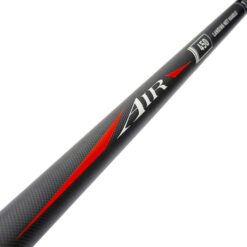
Landing Nets & Handles
Net heads, complete nets and handles are all here, each price-checked against reputable online tackle shops so the cheapest seller stands out. Filter by length, mesh or budget to put together the net you need.
Read more Read less
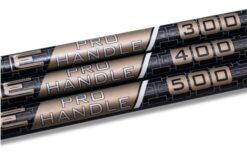
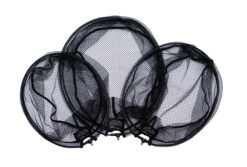
Heads and handles are sold separately here, so you can pick a mesh and arm width for your fishing and a handle in the length your peg needs. The grid carries everything from a first match net to a long specialist pole.
Each listing shows the lowest live price and the shops we have compared, so you can read across the range before you buy.
Sort by review score to see which heads and handles tested best, then jump straight to the cheapest stocked option.
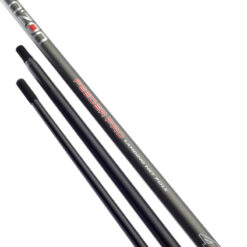
Daiwa N’ZON Feeder Pro Landing Net Handle
✓ Reviewed 8.5 / 10
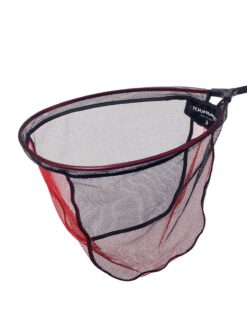
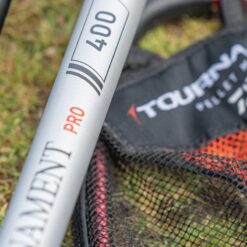
Daiwa Tournament Pro 4m Landing Net Handle
Price Compared
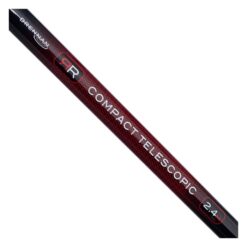
Drennan Red Range Telescopic Handle
✓ Reviewed 8.0 / 10
Drennan Specialist Compact Landing Net Handle
Price Compared
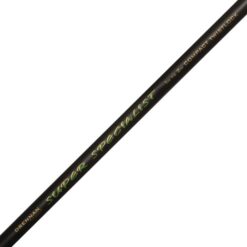
Drennan Super Specialist Compact Twistlock Handle
✓ Reviewed 8.0 / 10
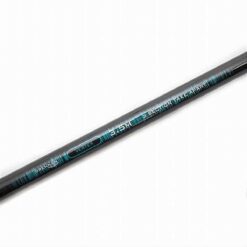
Drennan Vertex Net Handle Take Apart 3.5m
Price Compared
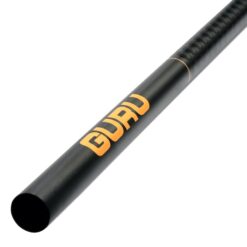
Guru Aventus 5m Landing Net Handle
✓ Reviewed 8.8 / 10
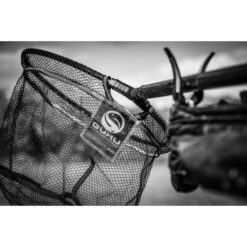
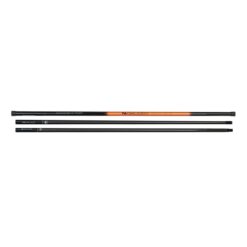
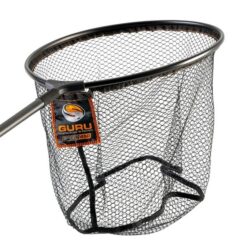
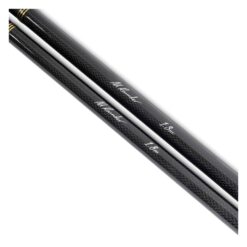
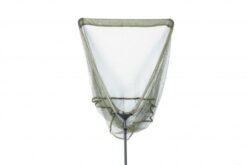
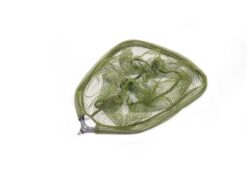
Korum Full Metal Speci Square Latex Net
Price Compared
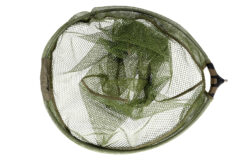
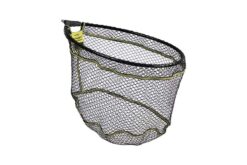
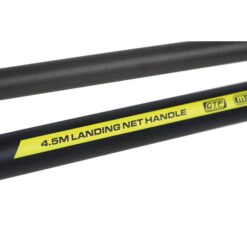
Matrix Ethos Power Landing Net Handle
✓ Reviewed 8.6 / 10

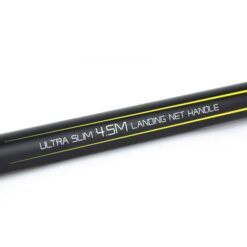
Matrix Horizon Ultra Slim Landing Net Handle
✓ Reviewed 8.8 / 10
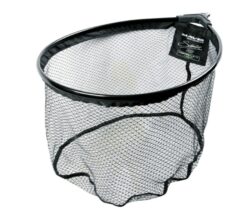
Maver Signature Hyper-Lite 500 Landing Net
Price Compared
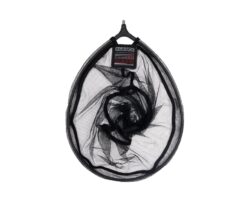
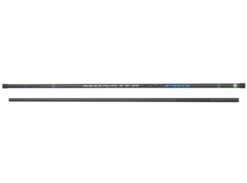
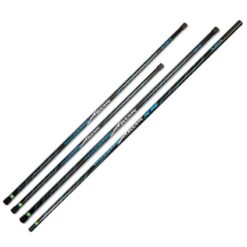
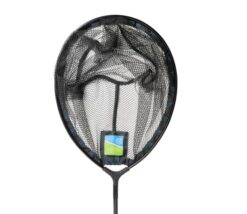
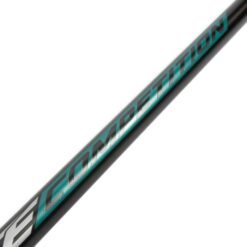
Preston Response Competition Handle
✓ Reviewed 9.2 / 10
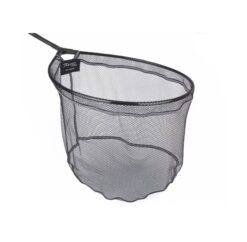
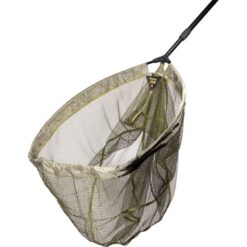
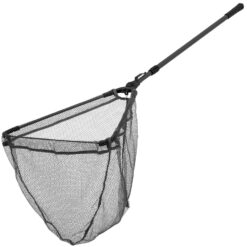
No products match those filters.
How to Choose a Landing Net and Handle
Coarse and match nets split into two parts, a head that holds the mesh and a handle that reaches the fish. Buying them separately lets you match each piece to the size of fish and the swim you tend to fish.
Head size is the first thing that decides it. A small scoop net suits silvers and small skimmers caught to hand, while a wider, deeper head is needed for bream, tench and the odd carp.
The mesh matters as much as the frame. A fine, soft micromesh protects small fish and holds maggots without snagging hooks, and a knotless mesh is kinder on scales and slime than older knotted netting.
Handle length is set by where you fish. A short handle of a metre or two covers close-in pole and waggler work, while a longer telescopic or put-over handle of three to five metres reaches out across a wide margin or a deep platform.
The fitting needs to match too, as most nets use a standard thread but a few brands run their own. Checking the thread and the closed length keeps the head, handle and your seatbox or holdall working together.
The guide linked below explains the head shapes, mesh types and handle lengths in more detail.
Landing Net and Handle Prices and Reviews
There are 33 landing nets and handles listed here, and 12 of them carry a full eTackle review. Every listing shows the lowest live price alongside the shops we have checked it against.
Our scores come from handling each net and handle on the bank and judging the mesh quality, the frame strength and how well the handle balances when it is loaded. To weigh up the head shapes and handle lengths before you choose, read our best landing net handles guide.
Frequently Asked Questions
What size landing net head do I need for coarse fishing?
A small scoop head of around 14 to 18 inches suits silvers and small skimmers fished to hand. Step up to a wider, deeper head for bream, tench and bigger nets of fish.
What length landing net handle should I buy?
A handle of one to two metres covers close-in pole and waggler fishing. A telescopic or put-over handle of three to five metres is better for wide margins, deep platforms and feeder work at range.
Are landing net heads and handles sold separately?
Most coarse and match nets are sold as separate heads and handles so you can match each part to your fishing. A standard thread lets most heads screw onto most handles, though a few brands use their own fitting.
What is the best mesh for a coarse landing net?
A fine, soft micromesh holds small fish and maggots without snagging and is the usual choice for match work. A knotless mesh is kinder on scales and slime than older knotted netting.
Will any handle fit any landing net head?
Many heads and handles share a standard thread and swap freely, but some brands run a non-standard fitting. Check the thread type before mixing a head and handle from different makers.
Do I need a spreader block on my landing net?
A spreader block holds the arms of a larger head open and keeps the mesh spread for netting bigger fish. Smaller scoop nets use a fixed frame and do not need one.