


River Fishing Rods
Browse the river fishing rods listed here, from trotting and float rods to light feeder and barbel models built for running water. Each one is price-checked against reputable online tackle shops, so you can see who is cheapest before you buy, and the brand, price and rod-type filters let you cut the list down to the kind of fishing you have in mind.
Read more Read less
Sort the range by review score to see which rods rated well, then open any one to compare its live price across reputable online tackle shops.
The list spans everything from a first running-water setup to a specialist blank, with the lowest current price and the number of shops compared shown on each rod.
Use the filters to work down to a float rod for trotting, a lighter feeder rod, or a through-action barbel rod, then jump to the cheapest place to buy.


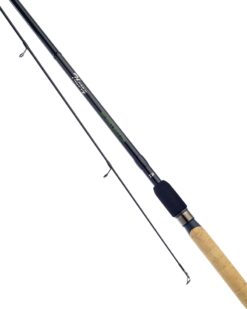
Daiwa Theory Spec Barbel & Tench Rod
✓ Reviewed 8.2 / 10


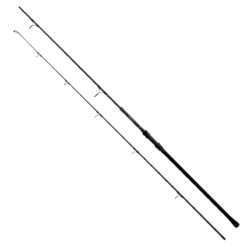
Sonik Xtractor+ Specialist Float 10ft 1.25lb
Price Compared
No products match those filters.
How to Choose a River Fishing Rod
River rods divide roughly into three groups, and the water you fish decides which suits you. Float and trotting rods are long and forgiving, made for running a float down the flow and controlling line over a long trot.
Feeder rods for rivers sit in the middle, with enough backbone to hold a feeder in moving water but a tip soft enough to register shy bites. Barbel rods are the heaviest of the three, with a stepped-up through action that absorbs the lunges of a strong fish in current.
Length is the first thing to weigh, because it sets how much line you can pick up and mend on a wide river. Trotting rods often run twelve to fifteen feet for line control, while feeder and barbel rods are usually shorter and stiffer for casting weight and steering fish.
Test curve and action then decide how a rod loads. A lower test curve and a tippy action protect light hooklengths on float gear, whereas a higher test curve and a progressive action give the power to land barbel and chub from a strong push of water.
It helps to match the rod to the reel and line you already own, since a fine-tipped float rod pairs with light line and a small reel, and a barbel rod wants heavier line and a reel with the capacity to match. There is more on matching rod to method in the guide below.
River Fishing Rod Prices and Reviews
There are 15 river fishing rods on this page, and 14 of them carry a hands-on review score, so you can sort by rating as well as by price. Each listing shows the lowest live price we can find and how many of our verified retailers we compared to get it.
Our scores come from fishing the rods and rating them on casting, bite registration, playing power and build. For a fuller breakdown of which rod suits trotting, feeder or barbel work, the best barbel rods guide walks through the choices in plain terms.
Frequently Asked Questions
What is the best rod for river fishing?
It depends on the method, as float and trotting rods suit running a float down the flow while feeder and barbel rods handle bait held in the current. Sorting this page by review score is the quickest way to see which rods rated highest for each style.
What length rod is best for river float fishing?
Trotting and float rods for rivers are usually long, often twelve to fifteen feet, because the extra length picks up and mends line over a long trot. A shorter rod can work on small streams where casting room is tight.
Do I need a different rod for barbel on rivers?
Barbel rods have a higher test curve and a stepped-up through action that lighter float or feeder rods do not, which is what absorbs the lunges of a strong fish in current. A dedicated barbel rod gives you the power to land fish safely from a heavy push of water.
Can I use a feeder rod for river fishing?
Yes, a feeder rod with enough backbone to hold a feeder in the flow works well on many rivers. Choose one with a soft enough tip to show shy bites while still casting the weight you need.
What is a good river fishing starter setup?
A versatile float or all-rounder rod paired with a matching reel and light line covers most running-water fishing to begin with. From there you can add a feeder or barbel rod as you target bigger fish in stronger flows.
How do you choose a river fishing rod by action?
A tippy action with a lower test curve protects light hooklengths and suits float work, while a progressive through action with a higher test curve gives the power for barbel and chub. Match the action to the size of fish and the strength of the current you expect.