

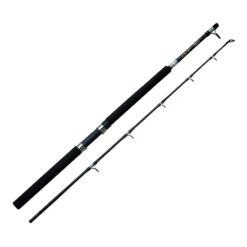
Boat Rods
Shop boat rods for uptide and downtide sea fishing, each one checked across reputable online tackle shops to find the cheapest seller. The brand, length and line class filters narrow the list to the rod that suits your mark.
Read more Read less
Every rod on this page is price-checked against our verified retailers, so the figure you see is the live cost rather than a guess.
Sort by review score to put the rods our team has tested at the top, then open a listing to compare the shops side by side.
The range runs from short, stiff blanks for deep water down to softer estuary rods, with entry models through to specialist tools.
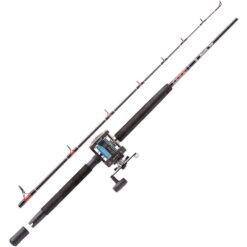
Abu Garcia Muscle Tip Mt Boat Rod Reel Combo
Price Compared

Anyfish Anywhere Uptide Pro MK2 Rod- 9ft 6in
Price Compared
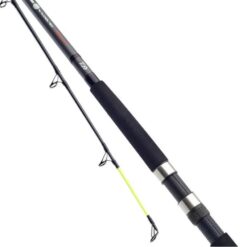
Daiwa D Wave Boat Rod 2030 Rod 7ft 20 30lbs
Price Compared
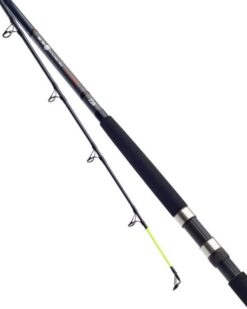
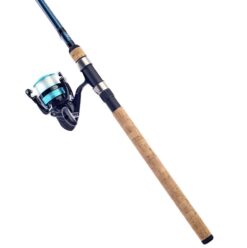
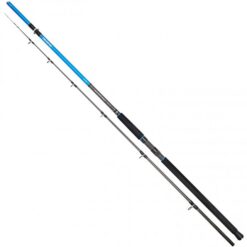
Daiwa Kenzaki Uptide Rod 9ft 6in 4-10oz 2pc
Price Compared
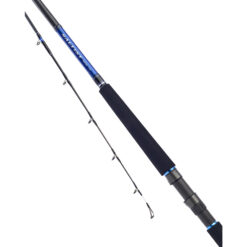
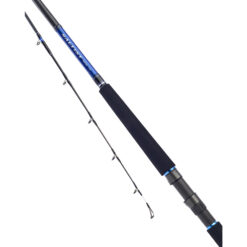
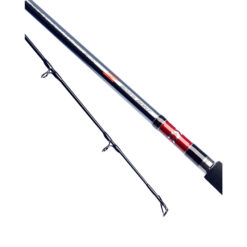
Daiwa Seahunter Z Boat Rod 7ft 8inch 20 30lb
Price Compared


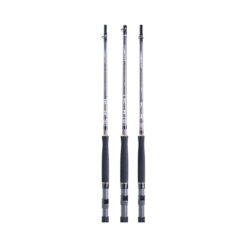
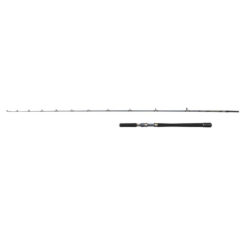
Penn Battalion Solid Hybrid Boat Rod
✓ Reviewed 8.6 / 10
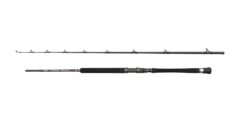
Penn Carnage Viking Edition Boat Rod 702
Price Compared

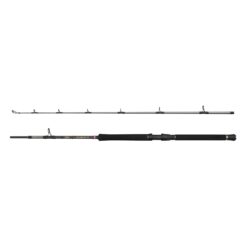

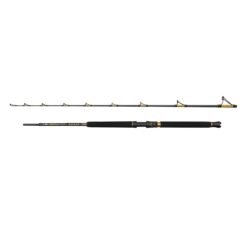
Penn Squall II Viking Edition Boat 702 Rod
Price Compared

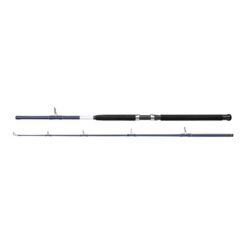
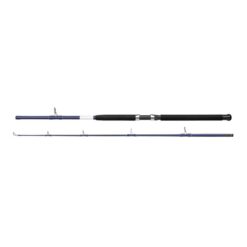

Shakespeare Ugly Stik GX2 7ft 9in Boat Rod
Price Compared

Shakespeare Ugly Stik GX2 Kayak Rod
✓ Reviewed 7.6 / 10
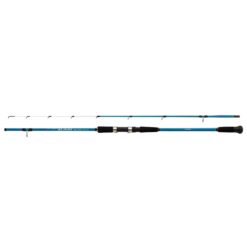
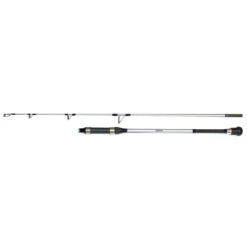
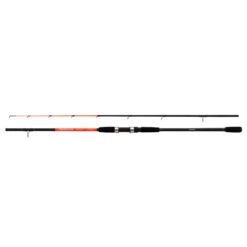

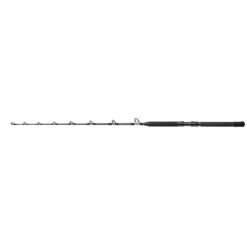
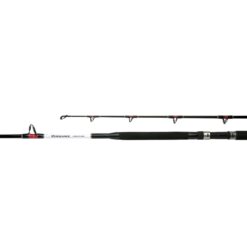
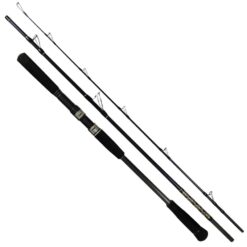
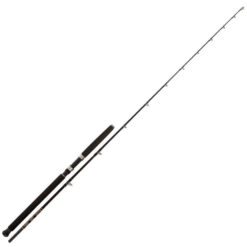
Snowbee Deep Blue2 S-Flex IGFA Boat Rod
Price Compared
No products match those filters.
How to Choose a Boat Rod
Boat rods split mainly into uptide and downtide styles, and the two are fished in different ways. Uptide rods cast a lead up and across the tide so the bait settles away from the boat, while downtide rods drop straight down and work the bait below or behind the hull.
Line class is the figure that sorts most of the range, usually quoted as a band such as 12 to 20lb or 20 to 30lb. Lighter classes suit estuary and inshore marks with modest leads, and heavier classes handle deep water, strong tides and the larger leads needed to hold bottom there.
Lead rating works alongside line class and tells you the weight the blank is built to cast or lower comfortably. A rod rated to a few ounces is fine for sheltered ground, whereas pushing past its rating in a fast tide overloads the blank and kills the action.
Length tends to sit between about seven and nine feet. Shorter rods give more lifting power for vertical work in deep water, and the longer uptide blanks add the leverage to cast a lead clear of the boat and keep line clear of the tide.
The action and the reel seat then decide how the rod fits the rest of the setup, since most boat rods are paired with a multiplier and need a seat and fittings that hold one securely. Our guide below covers the styles and how they match different marks.
Boat Rod Prices and Reviews
There are 36 boat rods listed here, and 7 of them carry a hands-on review from our team. Each listing shows the lowest live price from reputable online tackle shops, refreshed daily, so you can see the current cost before you buy.
Our reviews judge a rod on the points that matter on the boat, things like blank strength, action under load, and the quality of the rings and reel seat. To weigh up which type fits your fishing before you pick, read our guide to the best sea fishing rods.
Frequently Asked Questions
What is the difference between an uptide and a downtide boat rod?
An uptide rod casts a lead up and across the tide so the bait settles away from the boat, while a downtide rod fishes straight down below or behind the hull. Uptide blanks tend to be longer for casting leverage, and downtide rods are shorter with more lifting power.
What line class do I need for boat fishing?
Lighter classes around 12 to 20lb suit estuary and inshore marks with modest leads, and heavier classes of 20 to 30lb or more handle deep water and strong tides. Match the class to the depth and tide you fish most often.
How long should a boat rod be?
Most boat rods sit between about seven and nine feet. Shorter rods give more lifting power for vertical work in deep water, and longer uptide rods add casting leverage to put a lead clear of the boat.
What lead rating should a boat rod have?
The lead rating is the weight the blank is built to cast or lower comfortably, so pick one that covers the leads you need to hold bottom in your usual tide. Sheltered ground needs only a few ounces, while fast deep water calls for a higher rating.
Can I use a boat rod for uptide and downtide fishing?
Some rods are built as a compromise that handles both styles at a push, but a dedicated uptide or downtide rod performs better at its own job. If you fish both regularly it is worth having a rod for each.
What reel suits a boat rod?
Most boat rods are paired with a multiplier reel loaded to suit the rod's line class. Check that the reel seat and fittings hold a multiplier securely, since many boat rods are built around that pairing.