

Fishing Scales
Shop fishing scales here, with the lowest in-stock price shown from reputable online tackle shops. Sort by review score, or filter by type and weighing capacity to land on the right set fast.
Read more Read less
Every set on this page is matched to live prices from our verified shops, so you can spot the best deal without checking each retailer yourself.
Compare dial and digital models side by side, see how many shops stock each one, and read the review scores before you commit.
The filters narrow the list by capacity and price, which makes it quick to separate a light specimen set from a big-fish carp set.
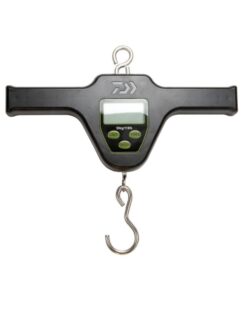
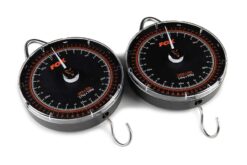
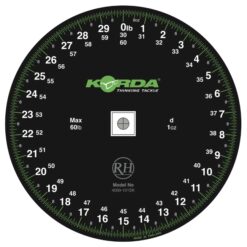
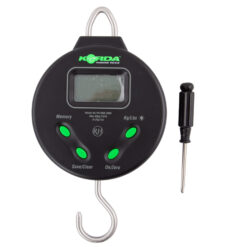
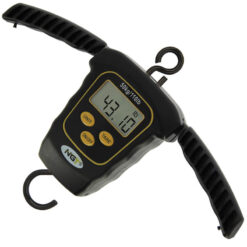
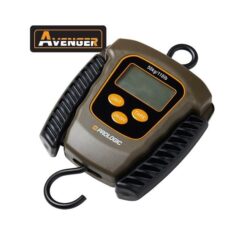
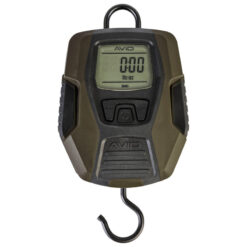
Prologic Avenger Digital Scales 110lb
✓ Reviewed 7.6 / 10
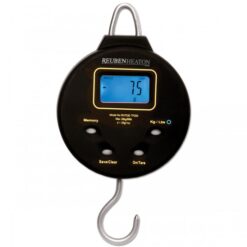
Reuben Heaton 7000 Series Digital Scale
✓ Reviewed 8.9 / 10
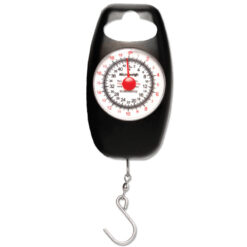
Reuben Heaton 8000 Series Microweigh
✓ Reviewed 7.3 / 10
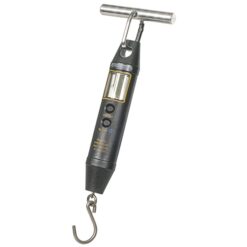
Reuben Heaton 9000 Series Digital Scale
✓ Reviewed 7.8 / 10
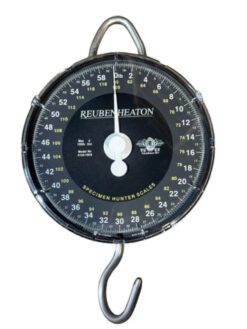
Reuben Heaton EVS Specimen Hunter Scales
✓ Reviewed 8.3 / 10
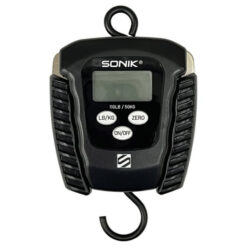
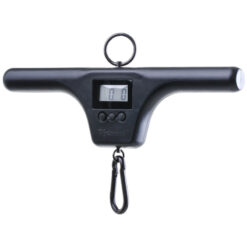
Wychwood Dual Screen T-Bar Scales 60lb
✓ Reviewed 8.8 / 10
No products match those filters.
How to Choose Fishing Scales
Fishing scales come in two broad types. Dial scales use a spring mechanism and a needle face, while digital scales show the weight as a number on a screen.
Dial scales are simple and need no batteries, which suits anglers who want something rugged that always works. Digital scales tend to read in finer increments and often hold the peak weight on screen, so a fish that twists on the line is still recorded accurately.
Weighing capacity is the next thing that decides it. A set rated to around 40lb covers most coarse and specimen fishing, whereas big carp and catfish anglers want a higher ceiling so the needle or display has room to spare.
Accuracy matters more on smaller fish, where a coarse increment can hide a personal best by an ounce or two. Many sets can also be zeroed with an empty sling or bag attached, which keeps the reading honest once the fish goes in.
It helps to think about how the scales sit with the rest of the kit, since a weigh sling, retaining bag or quick-release clip changes how easily you lift and hold the fish. The guide below has more on the different types.
Fishing Scales Prices and Reviews
There are 13 sets of fishing scales listed here, and 13 of them carry a full eTackle review. Each listing pulls the lowest live price from reputable online tackle shops, so the figure you see is current rather than a guide price.
Our scoring weighs up the things that actually affect a weigh-in, including how readable the face or display is, how steady the reading stays and how well the set holds up to mud and water on the bank. For a deeper look at the types and what suits different fishing, read our guide to the best fishing scales.
Frequently Asked Questions
Are dial or digital fishing scales better?
Dial scales are tough and need no batteries, so they keep working in any weather. Digital scales usually read in finer increments and can hold the peak weight, which makes them the more precise choice for record fish.
What weighing capacity do I need?
A set rated to around 40lb covers most coarse and specimen fishing comfortably. Carp and catfish anglers chasing big weights should pick a higher ceiling so the scales are not working at their limit.
Do I need a weigh sling with fishing scales?
A weigh sling supports the fish safely and keeps it off hard ground while you take the reading. Many scales let you zero out the empty sling first, so the weight shown is the fish alone.
How accurate are fishing scales?
Accuracy depends on the increment the scales read in, which is often finer on digital models. Most are accurate enough for everyday fishing, though anglers logging a personal best tend to favour the smallest increment they can get.
How do I keep my fishing scales accurate over time?
Check the reading against a known weight now and then, and zero the scales before each weigh-in. Keeping them clean and dry stops grit and damp affecting the spring or sensor.
Can fishing scales be used for match fishing?
Yes, though match anglers often prefer a finer increment because small margins decide results. A set that holds the peak weight also helps when weighing a lively net of fish.