

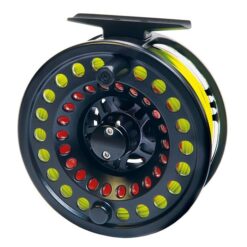
Fly Fishing Reels
Browse the fly reels in our fly fishing tackle range, each one sat next to the lowest live price our tracked retailers are asking. Sort by line weight or price to land on the reel that balances your rod.
Read more Read less
Every reel here is price-checked against reputable online tackle shops, so the live lowest price and the shops we compared sit on each one.
Move through the range by brand, price and reel size to match the weight you cast, or to pair a reel with a rod you already own.
Where we have a hands-on review you can sort by score and see how the reel rated for drag, balance and build before you buy.

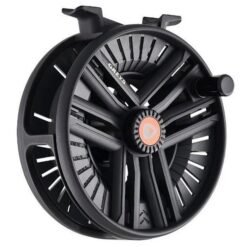
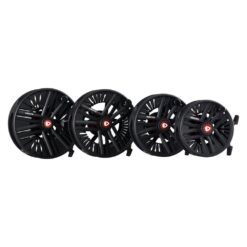
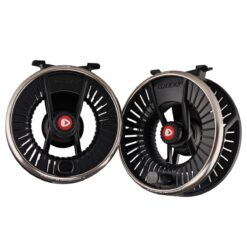
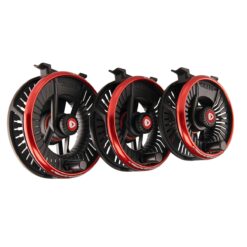

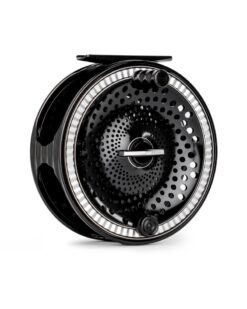
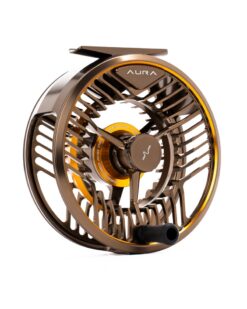
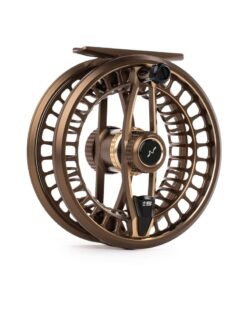
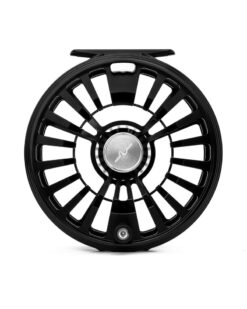
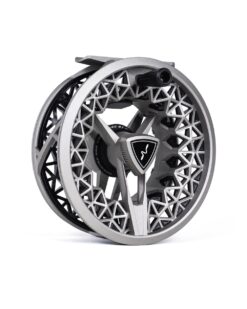
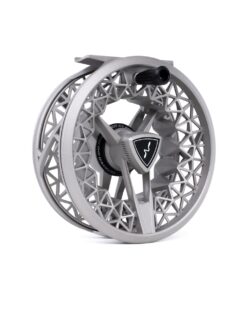
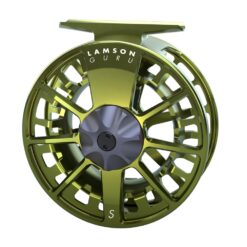
Lamson Guru S-Series Olive Green Fly Reel
Price Compared
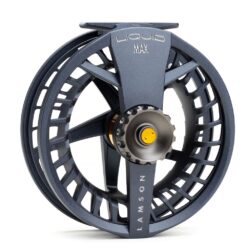
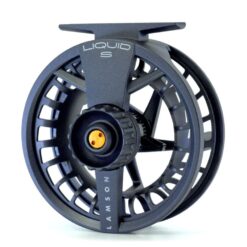
Lamson Liquid S-Series Daybreak Fly Reel
Price Compared
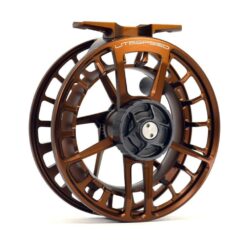
Lamson Litespeed F-Series Whiskey Fly Reel
Price Compared
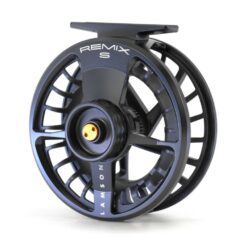
Lamson Remix S-Series Daybreak Fly Reel
Price Compared
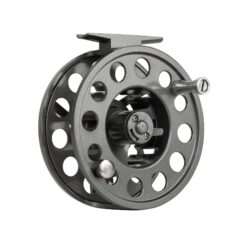
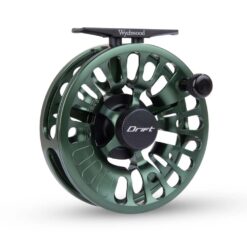
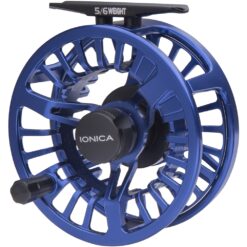
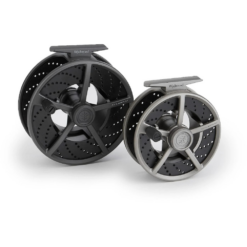
Wychwood Truefly SLA MKII Silver Fly Fishing Reel
Price Compared
No products match those filters.
How to Choose a Fly Reel
A fly reel is sized by the line weight it is built to carry, written as a range such as 5/6 or 7/8. The reel needs to share the weight of the rod and line so the finished outfit sits in balance and casts as intended.
Most freshwater reels hold the line and counterweight the rod rather than fight the fish, so a 5/6 size covers trout on rivers and small stillwaters. Reservoir, pike and saltwater work moves up to 7/8 and beyond, where heavier lines and longer runs come into play.
Arbor size shapes how the reel handles line. A large arbor picks up loose line faster and puts less memory into a floating line, while a mid or standard arbor keeps the reel compact on lighter outfits.
The drag matters most once a fish runs hard. A simple click-and-pawl drag is enough for small trout, whereas a sealed disc drag gives smoother, more reliable pressure for big reservoir fish, pike and salt.
Reel weight matters for balance as much as comfort, since a reel that is too light or too heavy tips the feel of the outfit at the wrist. Backing capacity is worth a look too, because reservoir and saltwater fish can take a reel well into its backing.
The reviews and the live prices on each reel are the best place to compare for now, as a dedicated fly buying guide is not live yet.
Fly Reel Prices and Reviews
There are 23 fly reels listed here, running from light trout sizes through to larger reels for reservoir, pike and saltwater fishing.
We have tested 3 of them and scored each for drag smoothness, balance on the rod and overall build, so you can weigh the reviewed reels against the live price on every one.
A fly-specific buying guide is not live on the site yet, so the reviews above and the lowest price shown on each reel are the way to compare until one goes up.
Frequently Asked Questions
What size fly reel do I need?
Match the reel to the line weight of your rod, so a 5 weight rod takes a reel marked around 5/6. Keeping the rod, reel and line on the same weight keeps the outfit balanced and casting well.
Does the fly reel need to match the rod and line?
Yes, the reel should be sized for the same line weight as the rod so the outfit balances at the wrist. A 7 weight rod pairs with a 7/8 reel and a 7 weight line to load and cast as designed.
What is a large arbor fly reel?
A large arbor reel has a wider central spool, so it recovers line faster and puts less coil and memory into a floating line. It suits anglers who want quicker pick-up and a steadier retrieve on open water.
Do I need a disc drag on a fly reel?
For small trout a basic click-and-pawl drag is enough, since the reel mostly holds line rather than slows fish. A sealed disc drag is worth it for big reservoir fish, pike and saltwater, where smooth, steady pressure stops a hard run.
What fly reel suits a beginner?
A mid-priced 5/6 reel with a simple, reliable drag covers most trout fishing and is an easy first choice. Spending more buys a smoother sealed drag and a lighter build, which matter more as you fish bigger water.
How much backing should a fly reel hold?
Trout reels usually carry enough backing to fill the spool behind the fly line and add a little run room. Reservoir and saltwater reels need more, because strong fish can pull a reel well past the fly line and into the backing.