

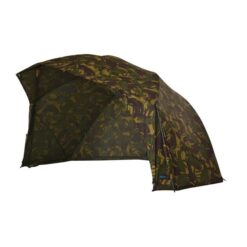
Aqua Products Camo Fast & Light Brolly V2
Price Compared
Shop fishing brollies and brolly shelters here and we show you who's cheapest right now across reputable online tackle shops. Pick yours by size, brand and price, and the listing points you to the shop charging the least.
Every brolly on this page is price-checked across our verified retailers, so the lowest live price sits next to each one before you commit.
Open any product to see that price alongside the shops we compared it against, with no need to trawl a stack of tabs.
Filter by canopy size if your peg is tight, by brand if you run a particular setup, or sort by our review score to put the highest rated cover first.
Aqua Products Camo Fast & Light Brolly V2
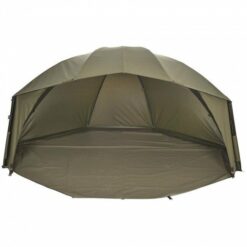
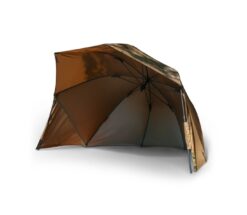

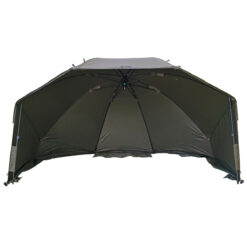
ESP 52in Quickdraw Brolly with Mesh
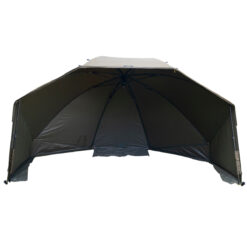
ESP 58in Quickdraw Brolly with Mesh
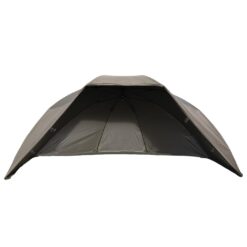
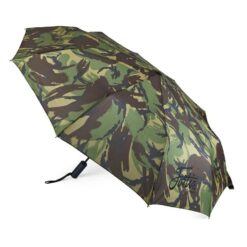
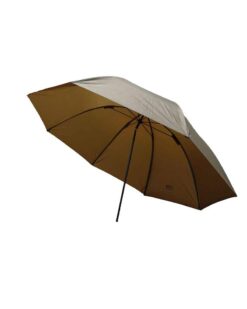
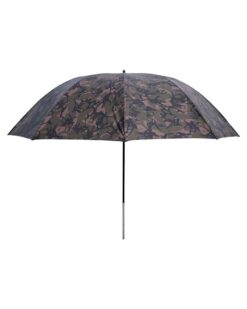
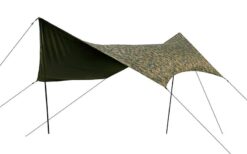
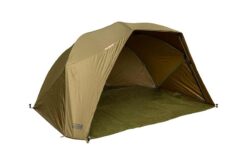
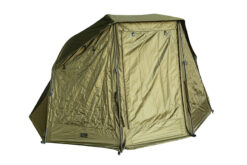
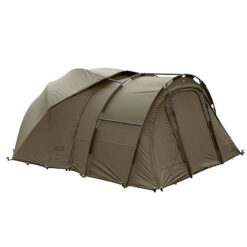
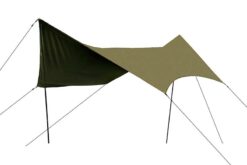

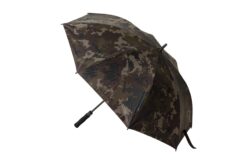
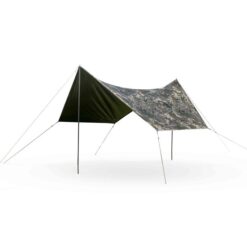
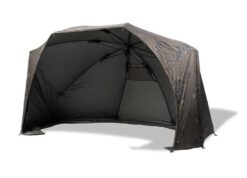
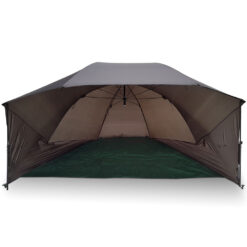
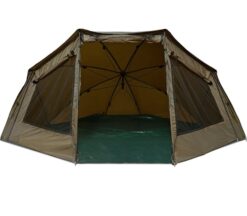
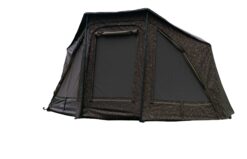
Solar Tackle SP C-Tech Pro Brolly System 58in
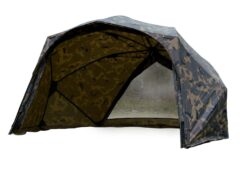
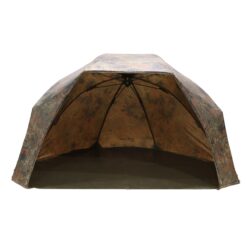
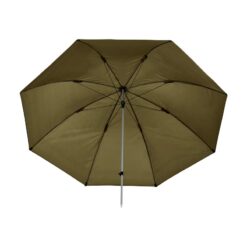
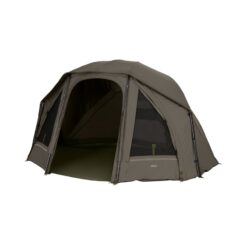
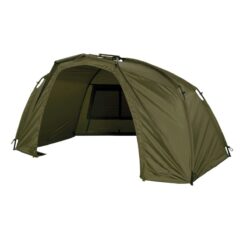
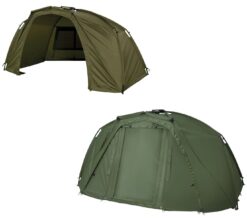
Trakker Tempest Brolly 100 + Full Infill Panel
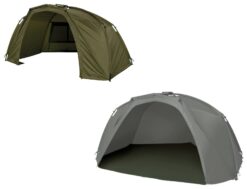
Trakker Tempest Brolly 100 + Groundsheet
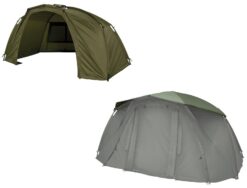
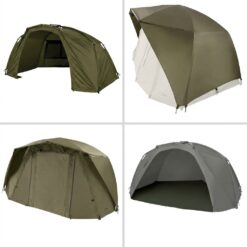
Trakker Tempest Brolly 100 Deluxe Bundle
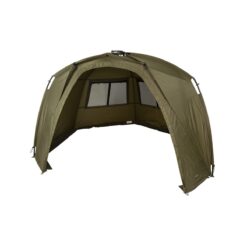
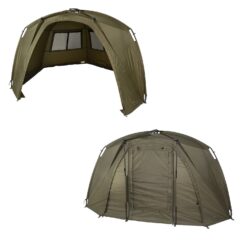
Trakker Tempest Brolly 100T + Full Infill Panel
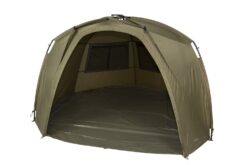
Trakker Tempest Brolly 100T + Groundsheet
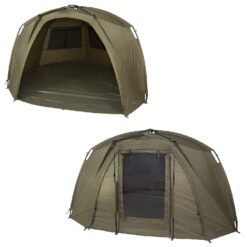
Trakker Tempest Brolly 100T + Infill Panel + Groundsheet
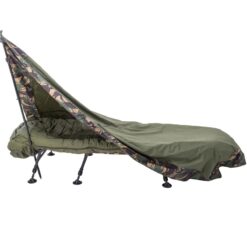
A brolly sits between a plain umbrella and a full bivvy. It goes up faster and packs down smaller than a bivvy, yet gives more enclosed cover than an umbrella alone, which suits day sessions, roving and quick moves between swims.
Canopy size is usually quoted as a diameter, and a wider top shelters more of the peg at the cost of weight and packed bulk. A tilt mechanism lets the brolly angle into wind and driving rain instead of sitting flat, so it sheds weather rather than catching it.
The number and material of the ribs decide how the canopy holds shape under load, with more ribs and a stiffer frame standing up better when the wind gets up. A waterproof coated fabric and taped seams keep the inside dry through a long downpour.
Many brollies take a zip-in front sheet that closes the open face, turning overhead cover into a part shelter for colder or wetter days. An overwrap adds a second skin over the top for extra warmth and waterproofing in winter, provided it matches the brolly model.
How firmly the brolly stays put comes down to a solid pole and spike plus pegging-down points and storm pole options for soft or exposed ground. The guide linked below sets out the sizes, tilt designs and front options in more detail.
There are 36 brollies and brolly shelters listed here, ranging from quick day brollies to fuller systems with a zip-in front for longer stays. Each listing shows its lowest live price from reputable online tackle shops so you can weigh the options on the same terms.
Of those, 6 carry an eTackle score from a hands-on look at frame strength, how steady the canopy holds in wind, and how well the fabric and seams keep water out. For a shortlist picked out by budget and session length, see our best bivvies for carp fishing guide, which covers brolly systems alongside full bivvies.
A brolly is lighter and quicker to pitch, giving overhead and part-enclosed cover for day sessions and roving. A bivvy is a fully enclosed shelter with a sewn-in groundsheet, built for overnighters and longer stays.
An umbrella gives open overhead cover and little more, while a brolly system adds a zip-in front and pegging points to close off the windward side. That makes a brolly more sheltered without the weight of a full bivvy.
Canopy diameter sets how much of the peg you cover, with wider tops giving more shelter but adding weight and packed bulk. A compact brolly suits roving and tight swims, while a larger one keeps more of your kit dry on a longer stay.
A tilt brolly has a hinge in the pole so the canopy can angle into the wind and driving rain rather than sit flat. This keeps the rain off you and your gear far better on an exposed bank.
Yes, many brollies take a zip-in front sheet that closes the open face into a part shelter. It blocks wind and rain from the front, which is useful for colder days without moving up to a full bivvy.
Some brolly systems include or accept a groundsheet, but many give overhead cover only. Check the spec if a sealed floor matters for the way you fish.
Plant the spike firmly, peg down the canopy points, and angle the tilt into the wind so it spills air rather than catching it. A storm pole or extra guy pegs add grip on soft or exposed ground.