


Spinning Reels
Shop sea spinning reels for lure and bass fishing, with the lowest price flagged from the reputable online tackle shops. Sort the list by reel size, drag rating or review score to land on the model that fits your rod.
Read more Read less
Every reel on this page is price-checked against our verified retailers, so the figure you see is the best live price we can find rather than one shop's number. Open any reel to compare the stockists side by side.
You can narrow the list by brand and price band, then jump to the cheapest place to buy. Reels we have reviewed carry a score, so you can weigh build and performance alongside the price.


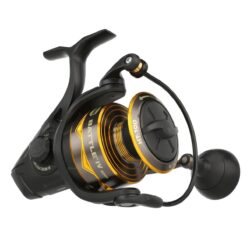
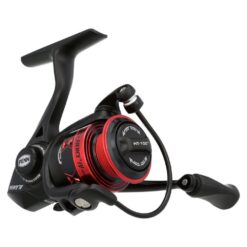
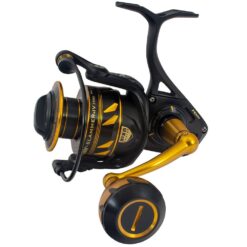


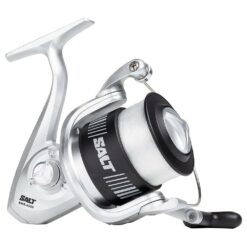


No products match those filters.
How to Choose a Sea Spinning Reel
A sea spinning reel is a fixed-spool reel built to shrug off salt, and it suits the casting and steady retrieve of lure and bass work far better than a multiplier. The open face lets light lures fly without the overrun that catches anglers out on a multiplier, which is why most lure and bass setups run a spinning reel.
Reel size is the first thing to weigh up. A 3000 to 4000 size balances a typical bass lure rod and holds enough braid for the distance, while heavier rock and pelagic work moves up to a 5000 or 6000 for the extra line and cranking power.
Salt resistance is what keeps the reel turning season after season. Sealed bearings, a treated body and a shielded drag stop spray and grit from working into the internals, and a quick rinse after each session does the rest.
Most lure anglers fish braid for the casting distance and bite detection, so the line lay matters. A spool that lays braid evenly and an oscillation system that avoids wind knots will save you tangles on a windy mark, and a smooth, sealed drag handles the lunges of a bass close in.
The size and drag want to suit the rod and the lures you cast most, and the reel will sit right in the hand and load the blank cleanly. The guide below covers the choices for the surf and the rocks.
Sea Spinning Reel Prices and Reviews
There are 17 sea spinning reels listed here, of which 9 carry a full eTackle review. Prices run from a first salt setup up to a flagship sealed reel, and the live figure on each one is pulled from reputable online tackle shops so you are looking at the current best price.
Where we have reviewed a reel, the score reflects how it casts, how it handles salt over time, and how the drag copes under load rather than headline specs alone. For a deeper look at the choices for the surf and the rocks, our best sea and beach fishing reels guide walks through the options.
Frequently Asked Questions
What size spinning reel is best for sea lure and bass fishing?
A 3000 to 4000 size suits most bass lure rods and holds plenty of braid for distance. Heavier rock and pelagic work usually steps up to a 5000 or 6000 for the extra line and pulling power.
Are spinning reels good for sea fishing?
Yes, a salt-rated spinning reel is the standard choice for lure, bass and light rock fishing because the fixed spool casts light lures cleanly. For heavy beach casting and big baits many anglers still prefer a multiplier.
Do sea spinning reels need to be saltwater rated?
They should be, as salt spray and grit will quickly corrode a reel built for freshwater. Look for sealed bearings, a treated body and a shielded drag, and rinse the reel after each session.
Should I use braid or mono on a sea spinning reel?
Most lure and bass anglers run braid for the casting distance and the bite detection it gives. A spool that lays braid evenly helps avoid wind knots, and a short fluorocarbon leader adds abrasion resistance near rock.
What does the drag do on a sea spinning reel?
The drag controls how easily line is given under load so a fast-running fish does not snap the leader. A smooth, sealed drag is worth paying for in salt because it stays consistent and resists corrosion.
How do I look after a sea spinning reel?
Rinse it under a light spray of fresh water after every session, then let it dry before storage. An occasional wipe and a drop of reel oil on the moving parts keeps the salt at bay and the action smooth.