


Predator Swivels & Snap Links
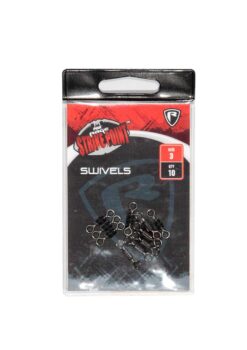
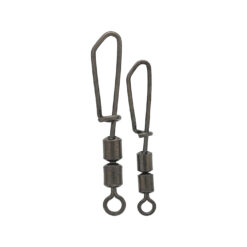
Predator swivels, snaps, links and split rings are the connection hardware used when lures, traces and leaders need to be changed or kept working cleanly. Compare current prices from verified fishing-tackle retailers in one place, then choose fittings that suit the presentation you fish.
Read more Read less
For lure fishing, a quick-change connection keeps rig changes straightforward. For deadbait or float work, a swivel and run-ring arrangement can keep the trace and main line moving as intended.
Profile matters as well as stated strength, because heavy hardware can affect the action of a small lure.
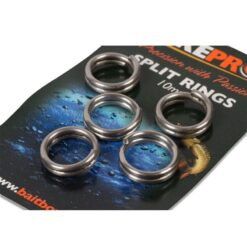
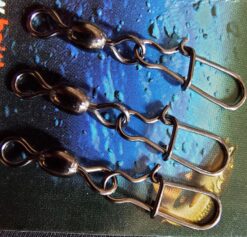
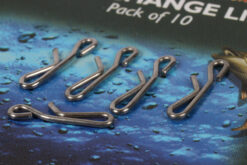
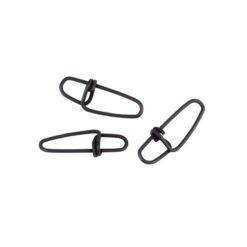
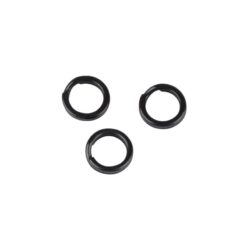
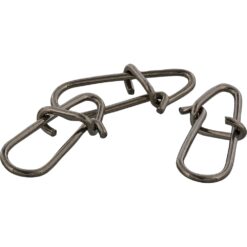
The range includes simple snaps, snap swivels, dedicated trace links and split rings for hook changes. None is automatically best: the useful choice depends on whether the connection needs to rotate, release, run on the line or remain as compact as possible.
Explore related predator fishing categories:
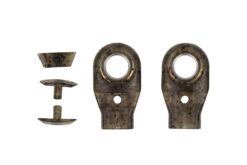
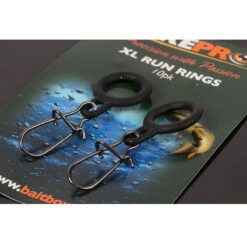
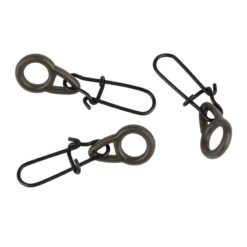
Fox Rage Predator Camo Low Resistance Run Ring
Price Compared
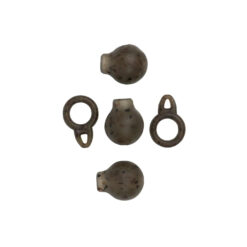
Fox Rage Predator Camo Run Rings and Bead Kit
Price Compared
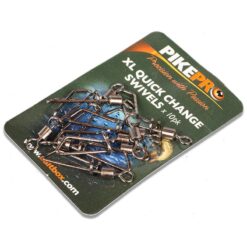
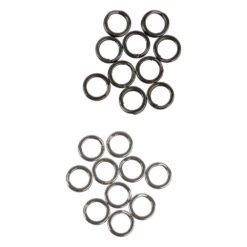
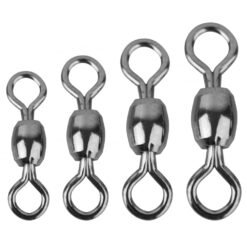
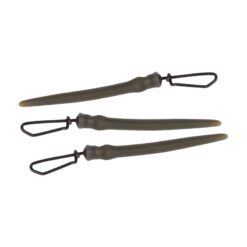
No products match those filters.
Fast Lure and Trace Changes
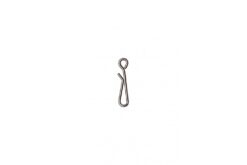
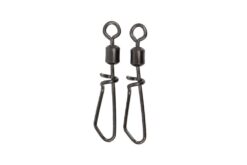
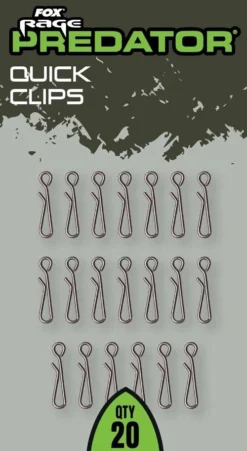
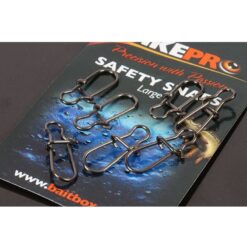
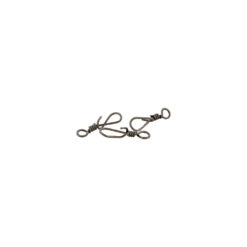
A snap gives you a direct way to change a lure or trace without cutting back the main line each time. Quick-change links serve a similar purpose on some trace systems, while a snap swivel adds rotation where it is useful.
The closure, shape and overall size all matter. A neat fitting helps a small soft lure or spinner work freely, whereas a stronger clip may be more suitable when a large plug, wire trace or heavy bait is involved.
Managing Rotation Without Bulking a Rig
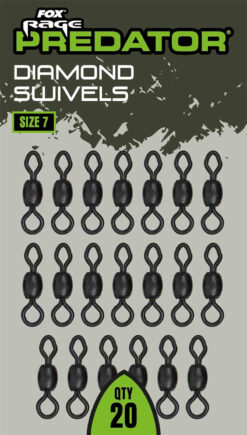
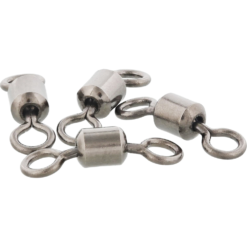
Barrel and rolling swivels are used where a lure, float or moving bait can put twist into the line. They allow the two connected sections to turn independently, which can help keep a trace arrangement orderly over repeated casts and retrieves.
Run rings are chosen when part of the arrangement needs to slide on the line, such as a float or lead setup. The bore, wire profile and the line or leader being used should all be considered together.
Hardware That Matches the Presentation
A light perch lure, a pike deadbait trace and a large hard lure place very different demands on a small connection. Stated breaking strength is important, but so are the fitting's weight, shape and how it sits alongside the lure or trace.
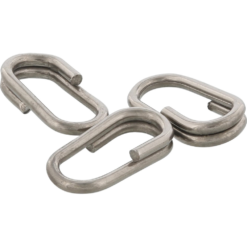
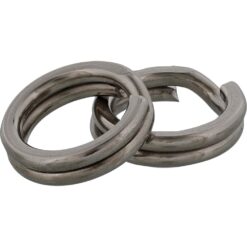
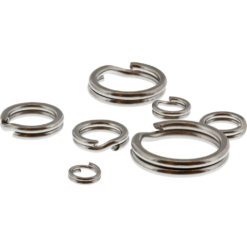
Split rings are commonly used when replacing hooks or adding hardware to a hard lure. A ring that is too heavy can alter a lure's balance; one that is too light may not provide the security required for the rest of the setup.
Frequently Asked Questions
Is a snap or a snap swivel better for predator fishing?
A plain snap is compact and quick to open, while a snap swivel also adds a rotating connection. The more suitable option depends on the lure, trace and whether line twist is likely to be an issue.
When would a predator angler use a run ring?
A run ring is used when a float, lead or trace arrangement needs to move along the line. It is different from a swivel because its main purpose is to slide rather than to provide a rotating joint.
Can split rings change the action of a lure?
Split rings can add weight and change where a hook sits on a hard lure. Keeping the replacement ring close to the original size and weight helps preserve the intended balance and movement.
What should be checked on predator terminal tackle?
Look at the connection type, stated strength, closure, size and pack quantity. It is worth considering the lure or bait, trace material and target species rather than comparing packet prices alone.