

Best Sea Fishing Rods

Sea rods are the least forgiving place to buy blind. A beachcaster, a boat rod and a spinning rod are built for completely different jobs, and the wrong one will cost you distance, bites or fish.
We reviewed and scored fifteen of the best sea fishing rods across beachcasters, boat and uptide rods, spinning and LRF rods, estuary, travel and kayak rods, with a proper beginner's option at the end.
Let's get straight into it.
Our Top Sea Fishing Rods at a Glance
| Product | Best for | Sea fishing rod | Best suited to |
|---|---|---|---|
| Beachcasters | |||
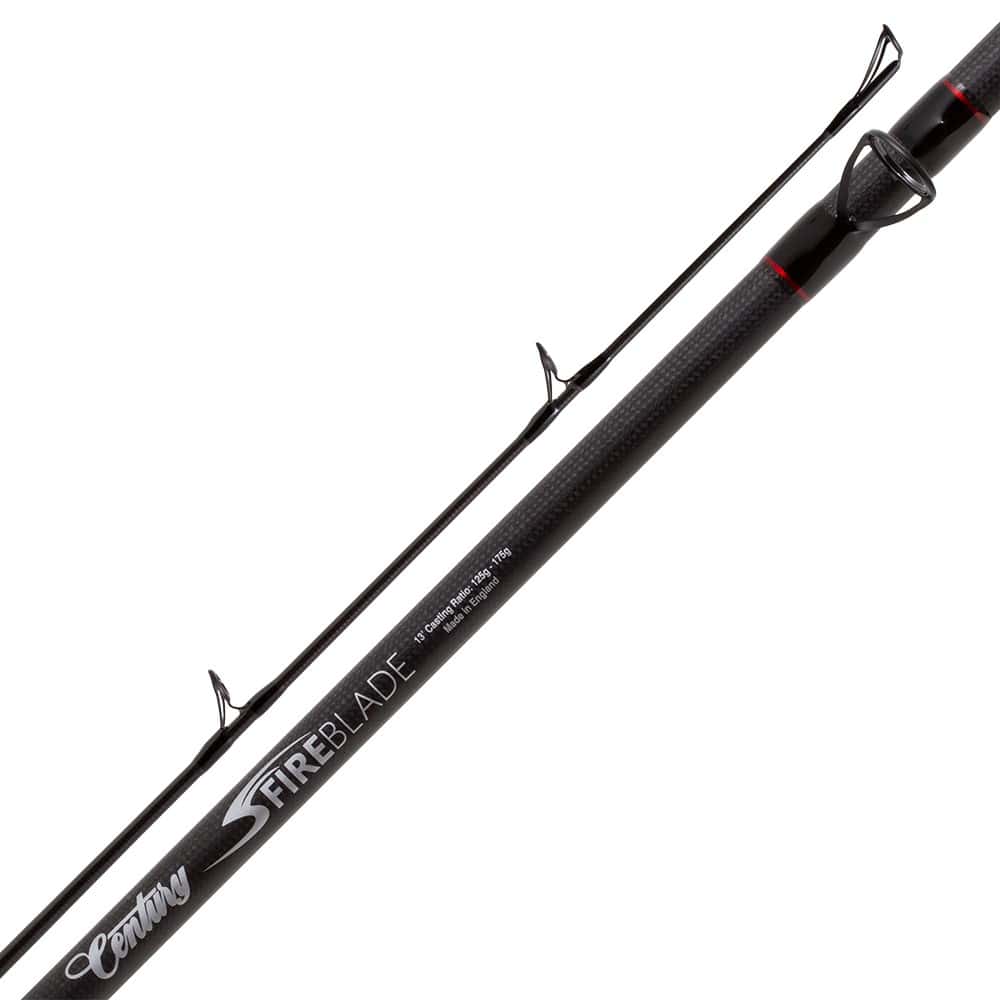 | 8.6 Best Overall Beachcaster | Century Fireblade Delta Black | Best suited to:Regular, experienced sea anglers who can benefit from the advanced features |
 | 8.4 A Great Mid-Priced Beachcaster | Daiwa Seahunter Z Beachcaster Rod | Best suited to:Recreational shore anglers who want proper Daiwa build quality in a first decent beachcaster |
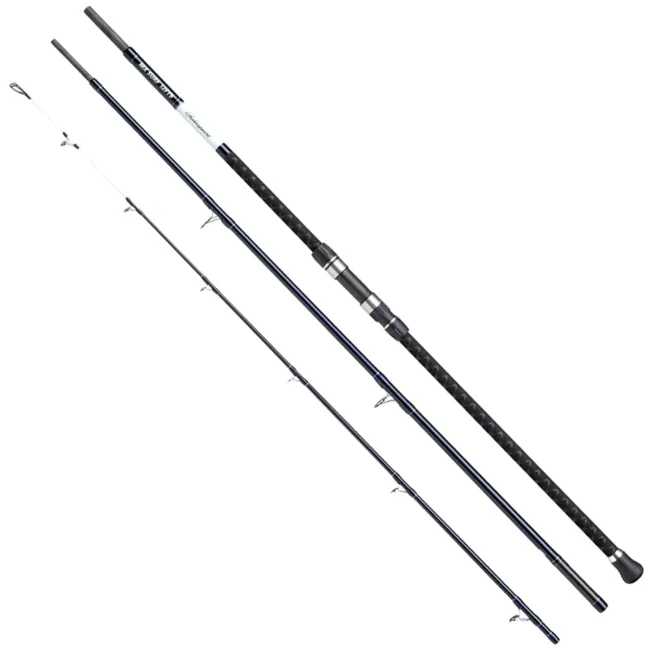 | 8.0 Top Budget Option | Shakespeare Salt Xt Beachcaster | Best suited to:Beginners or casual anglers that prefer a solid rod at a budget price. |
| Boat Rods | |||
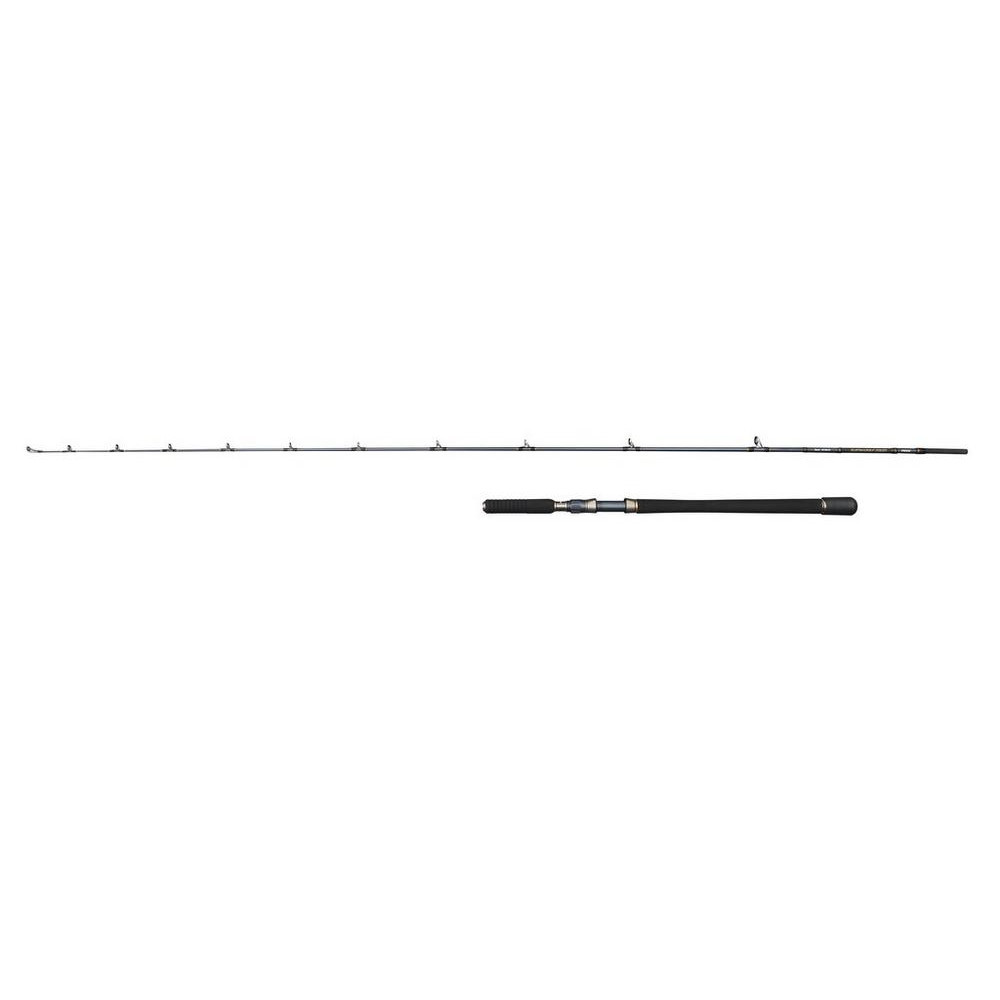 | 8.6 Best Overall Boat Rod For Sea Fishing | Penn Battalion Solid Hybrid Boat Rod | Best suited to:Anglers who fish from a boat regularly enough to appreciate its refined characteristics and premium features |
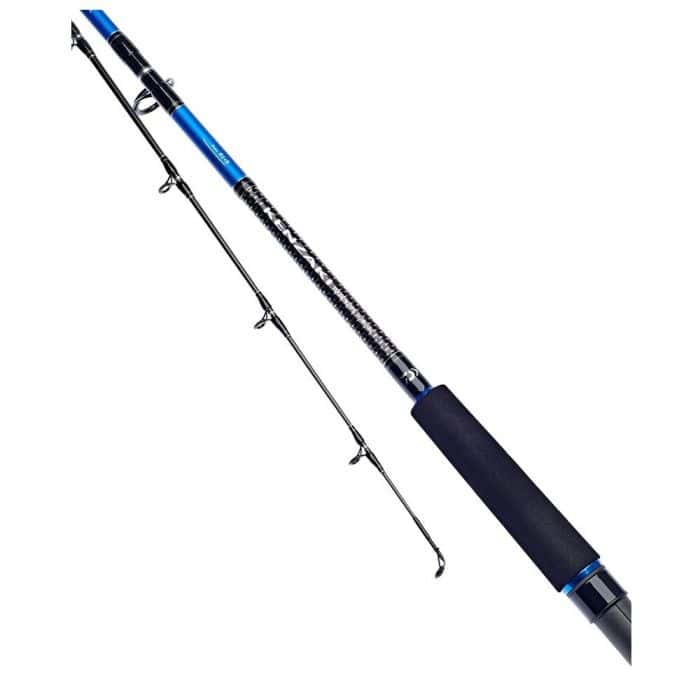 | 8.4 A Great Mid-Range Boat Rod | Daiwa Super Kenzaki Boat Rod | Best suited to:Both newcomers and experienced boat anglers looking for a reliable, versatile rod at a mid-range price point |
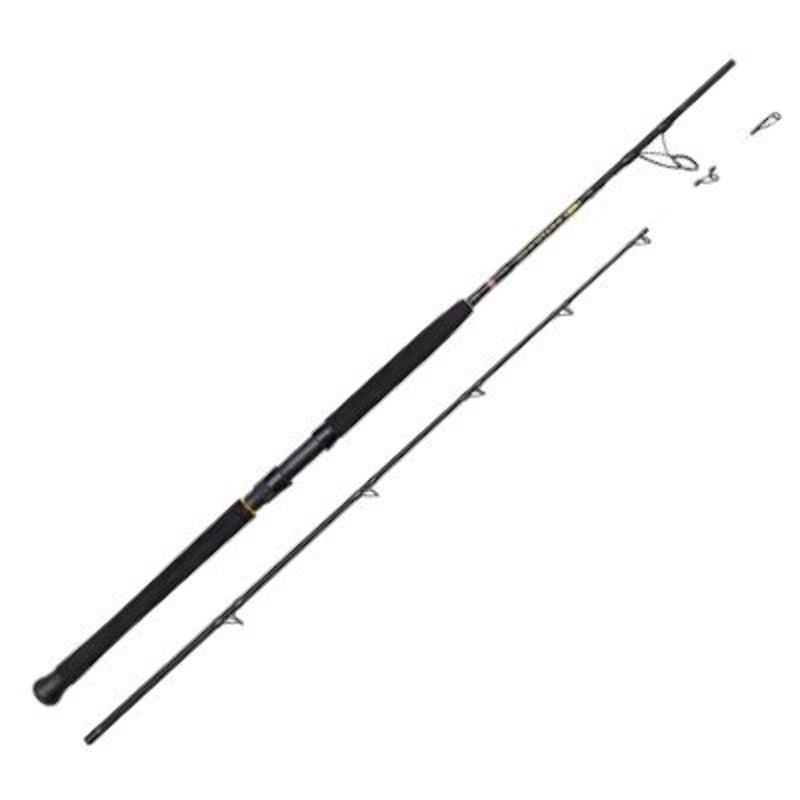 | 8.0 A Top Budget Boat Rod | Penn Wrath II Boat Rod | Best suited to:Best suited for casual anglers and beginners who want good value. |
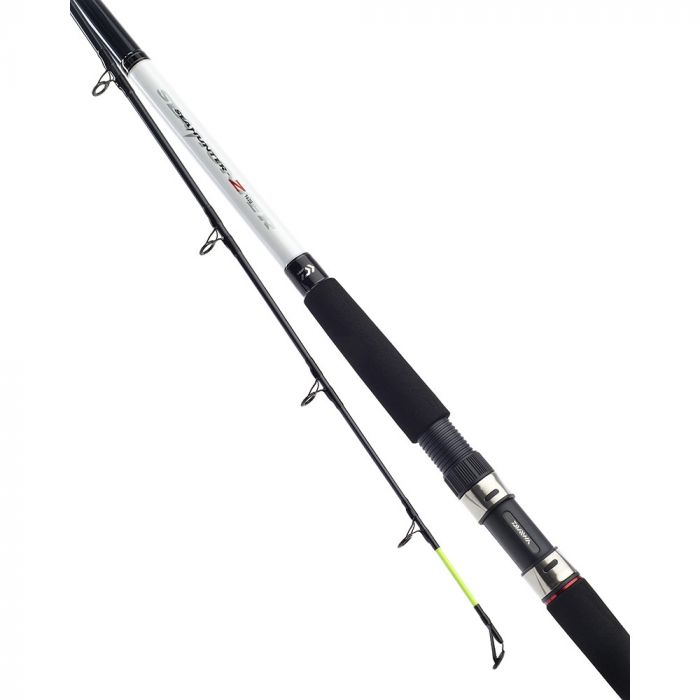 | 8.1 Best Uptide Rod | Daiwa Seahunter Z Uptide Rod | Best suited to:Reasonably priced making it a good option for both experienced anglers and beginners |
| Spinning Rods | |||
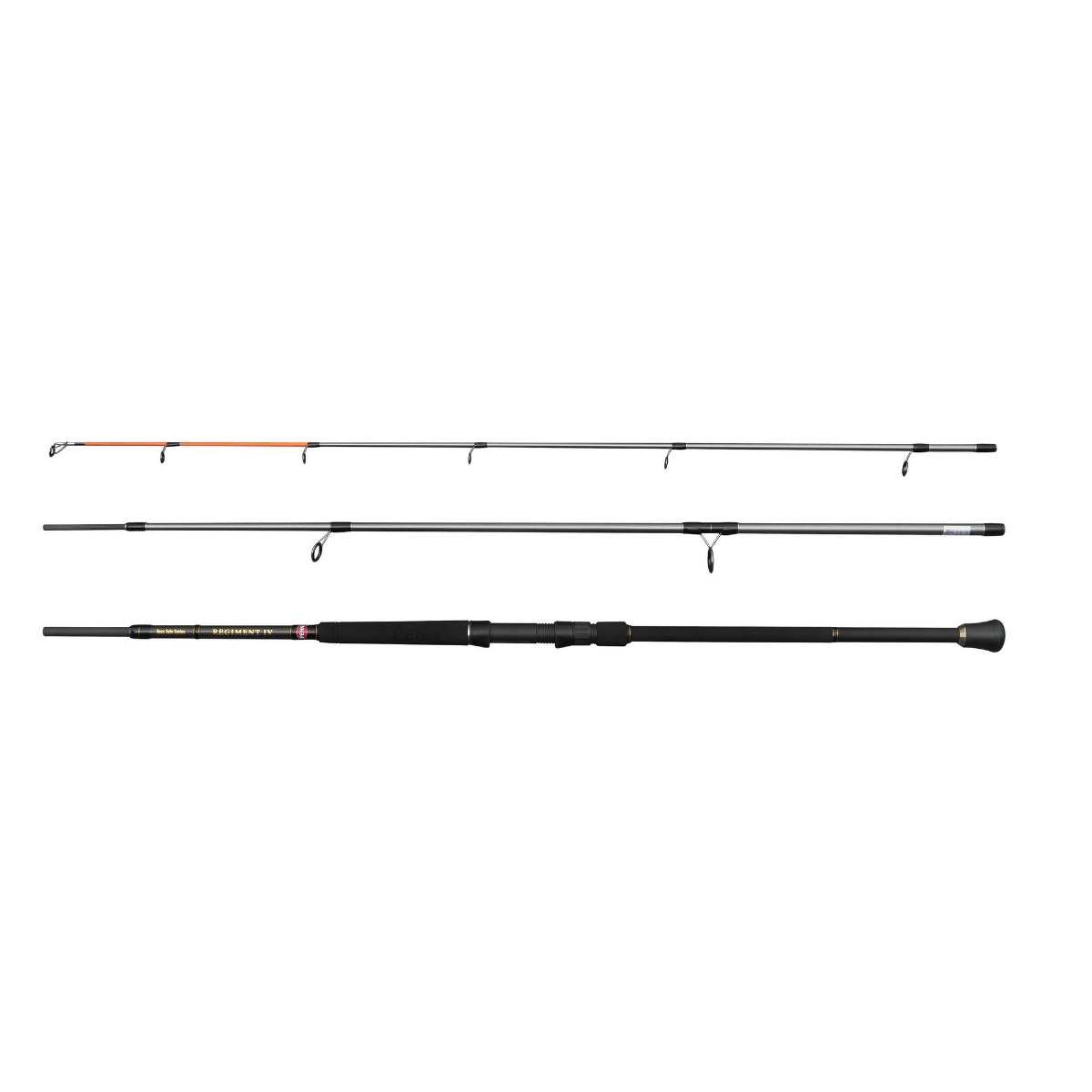 | 8.3 Best Overall Sea Spinning Rod | Penn Regiment IV Bass Spin Rod | Best suited to:Bass anglers fishing lures from beaches and rock marks |
 | 8.1 A Popular Mid-Priced Option | Daiwa Wilderness Spin Rod | Best suited to:Lots of versions available at different lengths so there will be a Wilderness Spin rod for most anglers needs |
 | 8.0 The Best Budget Spinning Rod | Savage Gear Defiance SG2 Medium Game Spinning Rod | Best suited to:Shore lure anglers who want a genuine high modulus fast-action rod at budget money |
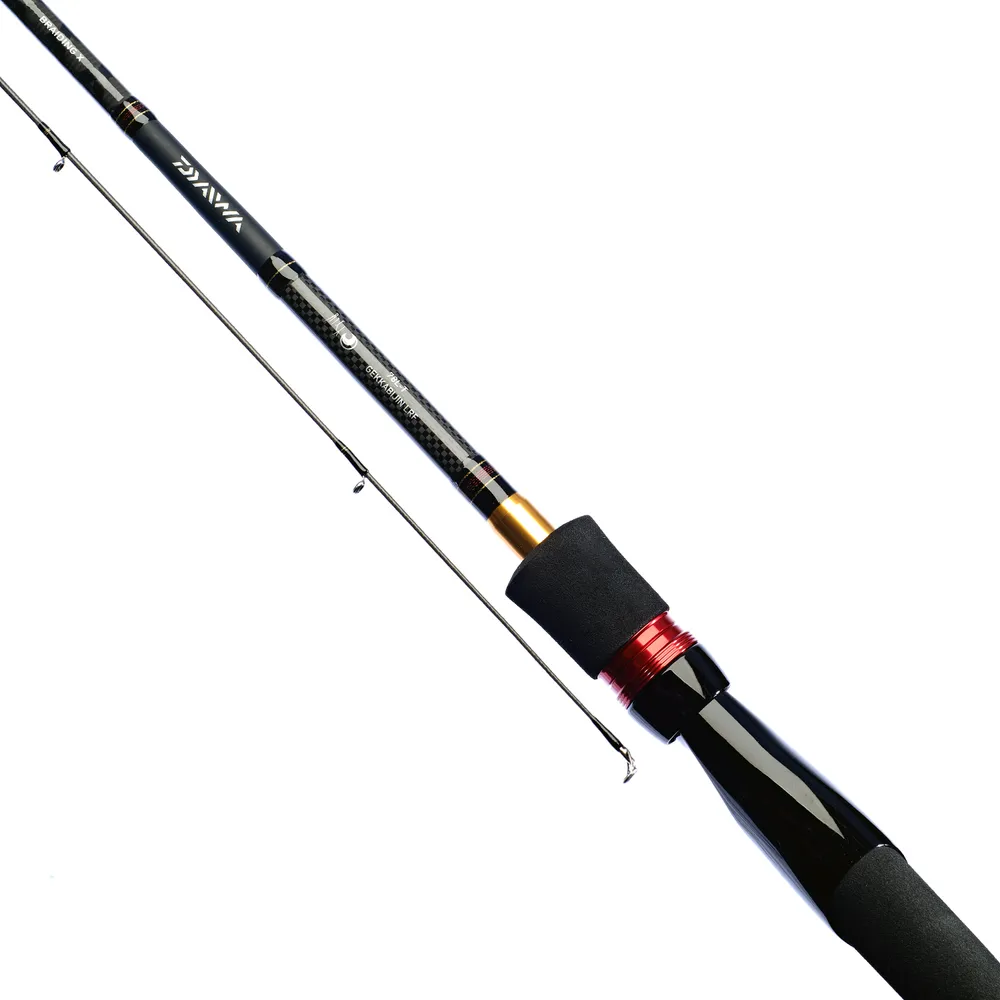 | 8.1 A Superb LRF Rod | Daiwa Gekkabijn LRF Rod | Best suited to:Great for anglers of all abilities |
| Estuary Rods | |||
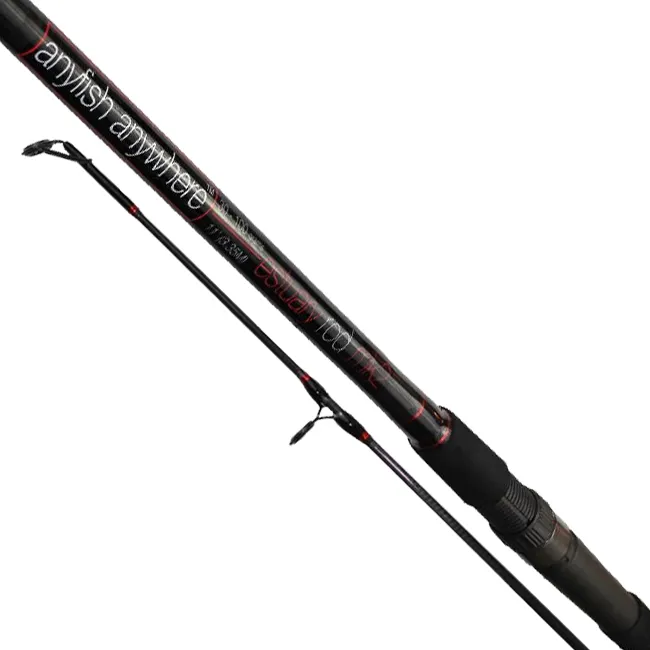 | 8.5 An Excellent Estuary Rod | Anyfish Anywhere Estuary MK2 | Best suited to:Great for anglers of all abilities however more experienced anglers will get the most out of the rods top features |
| Travel Rods | |||
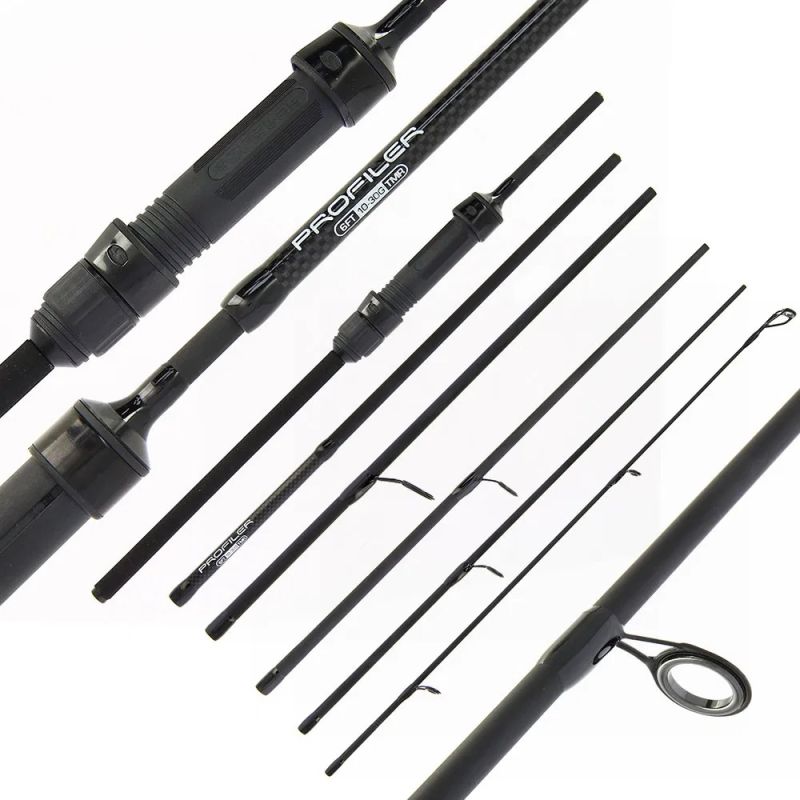 | 7.8 A Great All-Round Sea Travel Rod | NGT Profiler Travelmaster 6ft 6pc Travel Rod | Best suited to:Anglers who want an affordable, packable rod for holidays and light sea fishing |
| Kayak Rods | |||
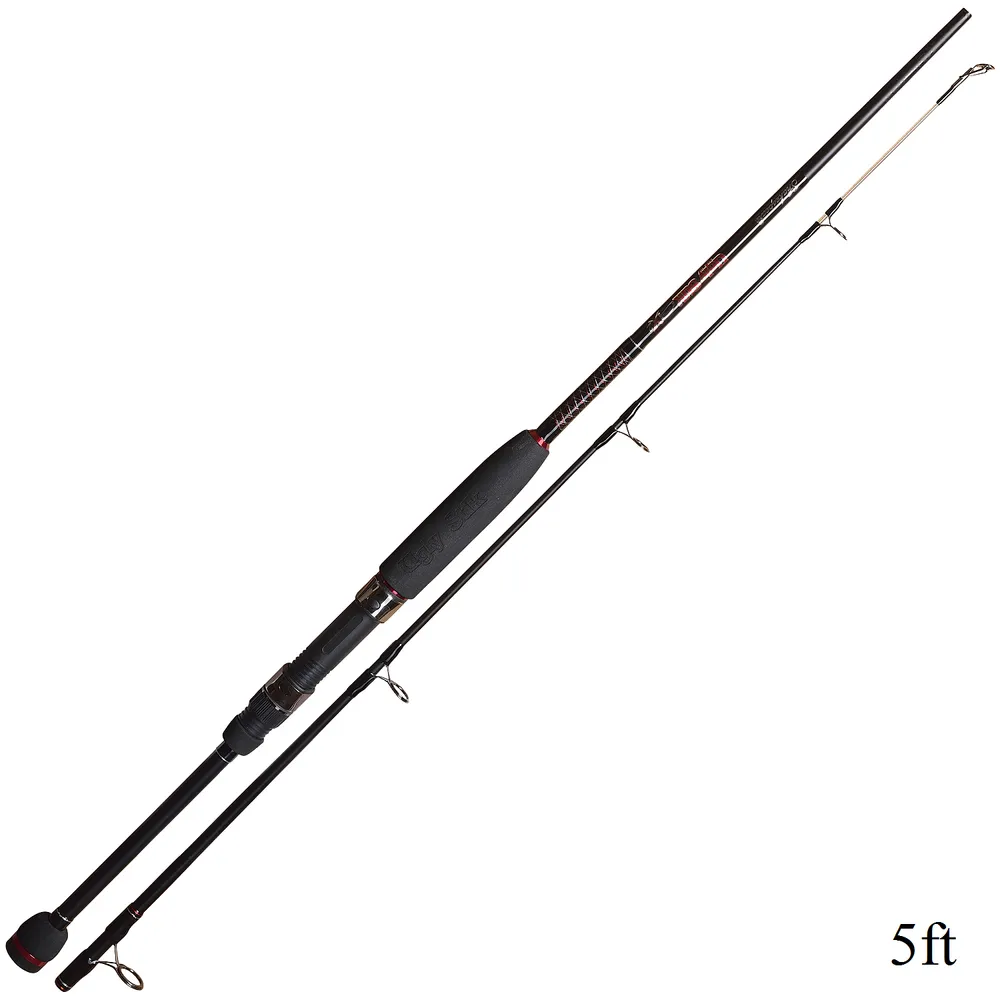 | 7.6 A Very Popular Kayak Rod | Shakespeare Ugly Stik GX2 | Best suited to:Suitable for anglers of all abilities |
| Beginners | |||
 | 7.8 Best Sea Fishing Rod For Beginners | Shakespeare Firebird Beachcaster Combo | Best suited to:Anyone looking to give sea fishing a go, especially occasional or seasonal anglers who want to keep costs sensible |
I know this sounds really obvious, but in simplistic terms, the best sea fishing rods are those that gets your bait or lure where you need it. They then have the ability to effectively play and land fish in a way that makes the sport enjoyable.
Modern sea fishing rods come in all shapes and sizes with all sorts of features that have weird names and acronyms that no one understands.
In this guide we aim to clarify everything and ultimately advise on a top sea fishing rod that is perfect for you.
Let's dive right in…
Understanding The Sea Fishing Rod Basics
If you're new to sea fishing, all the rod jargon can be pretty confusing. Let's break down what you actually need to know when choosing a rod.
Build Quality & Materials
Modern sea rods are built from either carbon fibre, fibreglass, or a mix of both. Carbon is lighter and more sensitive but can be brittle. Fibreglass is tougher but heavier.
Quality rods tend to use premium carbon in their build and have superior fittings, things like lined guides, secure reel seats and comfortable handles all made with lightweight yet durable materials.
You'll certainly feel the difference between a cheap rod with inferior materials to that with a premium build to it; both in casting and playing fish.
Rod Power and Action
A rod's power tells you how much weight it can handle, both for casting and fighting fish. Light rods might cast 1 to 3oz, while heavy beachcasters can fling 8oz leads.
Action describes where the rod bends, fast action rods (also called tip action) bend near the tip, while slower actions (through action rods) bend through more of the blank. Neither is 'better', it's about matching the rod to your fishing style.
Here's a diagram that visually shows the typical actions on a sea fishing rod:
And here's a table that summarises the three different action types and when they are generally used:
| Action | Rod Bend | The Rod will Feel | Best For |
|---|---|---|---|
| Fast/Tip | Mostly the Tip | Soft | Light weights and smaller species on clean ground |
| Moderate/Mid or Tip to Middle Action | Middle to Tip | Slightly Flexible | A good all-rounder for most species and mixed ground |
| Slow/Through action | “Through” Action mid bend | Stiffer with less flex | Heavy weights, big species and rough ground |

Length
Rod length is all about control and distance. Longer rods (12 to 15ft) help keep your line above the surf and enables you to cast further.
Shorter rods (7 to 9ft) are handier for boat fishing or working lures around harbour walls. Most anglers through experience end up with rods of different lengths for different marks.
Guides and Reel Seats
Good quality guides (the rings your line runs through) make a massive difference. They should be smooth, lightweight yet strong, securely wrapped, and matched to your reel type.
Multiplier reels need different guide setups to fixed spools.
Multipliers need more frequent, smaller guides to control the spiral of line coming off the spool, while fixed spool rods have fewer, larger guides to handle the wider line loops.
Generally, you can use a multiplier with a fixed spool rod, but a fixed spool reel on a multiplier rod can struggle, causing a decrease in casting distance. In rod descriptions, an “M” means its a multiplier rod, with “F” being fixed spooled.
A solid reel seat is crucial too. There's nothing worse than a wobbly reel when you're playing a decent fish or trying to cast to the horizon.

The Different Types Of Sea Fishing Rods
As I said at the beginning of this article, sea fishing rods come in all sorts of shapes and sizes, and for good reason.
Fishing a boat wreck is a world away from flicking lures at bass from the shore. Let's look at each type of rod and what they're designed for, starting with the classic beachcaster.
Beachcasters
Beachcasting rods are the workhorses of UK shore fishing, designed to launch baits beyond the surf or into deep channels from beaches and rocky marks.
Most beachcasters are between 12 to 16ft long and can handle leads from 4 to 8oz, giving you the backbone to cast decent-sized baits and handle everything from whiting to big rays.
Main Considerations When Buying a Beachcaster
When you're looking for a suitable beachcaster, there are a few key things to think about. First up is length, most UK anglers settle on 12 to 14ft as a good all-rounder, though continental-style rods stretch to 16ft or more for extreme distance.
Your casting weight range matters too. Go for 4 to 6oz if you're mainly fishing calm beaches and estuaries, or up to 8oz if you need to hold bottom in strong tides or rough ground.
The type of reel you'll use makes a difference. Multiplier rods have different guide setups to fixed spool versions, and you can't really mix and match without destroying your casting distance.
Finally, think about your fishing style. If you're after smaller species like whiting and flatties, a lighter, more responsive tip will show up those subtle bites, while if you're targeting big rays and conger, you'll want something with more backbone.

Rod Actions on a Beachcaster
The action of your beachcaster makes a big difference to how it performs. Fast action rods recover more quickly after casting and bend mainly in the top section.
This is perfect for pendulum casting and distance work where the fish are feeding way out. Most competition casters prefer these for their power and accuracy.
Progressive action rods bend through more of the blank and take longer to recover, making them ideal for fishing closer in and general beach work.
Most anglers starting out will be fine with either, but it's worth trying both if you can.
Talking of casting, you may want to check out the following video that talks you through good techniques that combined with a decent beachcaster will get you casting huge distances:
Watch: how beachcaster rod actions differ (video)
Common Mistakes To Avoid When Choosing A Beachcaster
A quick word on getting the most from your beachcaster and that is to match your tackle properly.
You'll cast further using a lead weight that's about 75% of your rod's maximum casting weight, paired with the right line setup.
For instance, don't stick with thick 30lb mono when you could be using 25lb braid and a shock leader as you'll add metres to your cast.
And while we're talking about common mistakes, steer clear of those ultra-cheap holiday combos you see in seaside shops. They're built for tourists who'll use them once and bin them, not serious fishing.
Spend a bit more on a decent beachcaster and you'll actually see those bites, enjoy the fight and get your bait where it needs to be.
Boat Fishing Rods
Boat rods are a different beast entirely from their shore-based cousins.
Usually shorter, between 6 to 8ft, these rods are built to handle everything from small cod to hard-fighting conger eels and need the backbone to drag fish up through the water column.
Let's start by looking at what makes a good boat rod and the different styles you'll come across.
Main Considerations When Buying a Boat Rod
When choosing a boat rod, your main considerations should be the type of fishing you're planning and the species you're after.
For general reef fishing targeting, for example, cod, pollack and ling, a medium-weight boat rod around 7ft rated for 12 to 20lb line will handle most situations.
You'll want something with a sensitive tip to detect bites but enough backbone in the lower section to lift fish clear of snags.
At the other end of the scale, if you're after big conger eels or sharks, you'll want a much heavier rod rated for 30 to 50lb line with a tough blank that can take the strain.
These heavier rods often feature roller guides to handle the extreme pressure of deep water fishing and the brutal runs of big fish, plus they need serious backbone to stop powerful fish like conger from diving back into their lairs.
The handle setup matters too. Many UK boat rods come with a shorter handle below the reel seat compared to beachcasters, making them easier to work in tight spaces on a pitching boat.
Good quality guides are crucial, especially if you're using braid, as inferior ones will quickly groove under pressure when playing big fish.
Most boat rods these days come in two pieces for easy transport, though some specialist rods like uptiders (which we'll cover next) might come in shorter sections. One-piece rods are still around but are a pain to transport and store.
Here is a table that summarises the different boat fishing rod styles in relation to the species and features fished:
| Fishing Style | Example Species | Rod Length | Line Rating | Features |
|---|---|---|---|---|
| General Reef | Cod, Pollack, Ling | 7 to 7.6ft | 12 to 20lb | Sensitive tip, medium action |
| Deep Water | Conger, Sharks | 6 to 7ft | 30 to 50lb | Roller guides, strong blank |
| Wreck | Large Pollack, Cod | 7 to 8ft | 20 to 30lb | Fast action, braid-friendly guides |
| Uptiding | Rays, Cod | 9 to 10ft | 12 to 30lb | Longer blank for casting angle |
| Inshore | Bass, Bream | 7 to 8ft | 8 to 15lb | Lighter blank, responsive tip |
Uptide Rods Explained
Uptide fishing is a specialist technique where you cast your bait at an angle from an anchored boat, allowing your bait to settle away from the boat in the tidal flow.
The rods for this job are typically 9 to 10ft long with a softer action than standard boat rods, allowing you to cast leads between 4 to 8oz while maintaining sensitivity for bite detection.
The longer length serves two main purposes. Firstly it keeps your line high above the water to prevent tangles with other lines and boat gear, and secondly, it gives you the leverage to cast effectively from a moving platform.
Most uptiders feature a long handle for two-handed casting and while they can accommodate fixed spool reels, they're typically paired with multipliers for better line control and handling of heavy weights in strong tides.
Spinning Rods
Spinning rods are the go-to choice for lure fishing from both shore and boat. Modern sea spinning rods are light, sensitive and packed with features that help you work artificial lures effectively.
From 7ft models perfect for boat fishing to longer 9 to 10ft rods for covering ground from the shore, there's a spinning rod for every situation.
Here are some considerations to ponder before purchasing.
Main Considerations When Purchasing a Spinning Rod
When choosing a spinning rod, it's important to match the length and power to your target species and fishing style.
For general shore fishing targeting species such as bass, pollack and mackerel, a 9ft rod rated 10 to 40g will cover most situations. Boat spinning needs shorter rods around 7ft, often with a higher lure rating up to 100g for working deep water marks.
The blank on all spinning rods needs to be light and responsive, especially if you'll be casting and retrieving lures for hours.
A fast action helps with working lures and setting hooks, while a sensitive tip lets you feel every knock and bite. Most modern spinning rods are built for braided lines, with quality guides to prevent wear.
Handle length matters too. Longer handles help with casting distance from the shore, while shorter handles work better in the confines of a boat. Many rods now feature split grips to reduce weight and improve sensitivity.
The Different Types Of Sea Spinning Rods
Spinning rods typically fall into three main categories:
- Bass/General Purpose: These are medium-power rods in the 9ft range designed for working larger lures and soft plastics from the shore. This type of spinning rod handles lures from 10 to 40g and has the backbone to land decent fish while staying light enough for all-day casting.
- Heavy Spinning: These tend to be shorter, more powerful rods rated for lures up to 100g. They are perfect for working big shads on deep marks or casting heavy metals for pollack from the boat. The types of rod often feature strong, durable guides designed for braid.
- Light Rock Fishing (LRF) These ultra-light rods are designed for small lures under 7g. They are usually 7 to 8ft long with super-sensitive blanks for detecting subtle bites. LRF rods are ideal for targeting mini-species around harbours and marks with light gear.
Heres a summary of these comparisons:
| Type | Length | Lure Rating | Typical Species | Key Features |
|---|---|---|---|---|
| Bass/General | 9 to 10ft | 10 to 40g | Bass, pollack | Fast action, long handle |
| Heavy Spinning | 7 to 8ft | 40 to 100g | Pollack, cod | Roller tip, strong guides |
| LRF | 7 to 8ft | 1 to 7g | Wrasse, mini species | Ultra-sensitive tip, light blank |
Estuary Rods
Estuary rods sit in that sweet spot between beachcasters and spinning rods, making them incredibly versatile for UK shore fishing.
Their shorter length (typically 11 to 12ft) and lighter casting weight (up to 4oz) strikes the perfect balance for fishing estuaries, harbours, and sheltered beaches.
While they won't punch baits into a headwind like a full beachcaster, they make up for it with better bite detection and easier handling.
Where beachcasters can feel like overkill and spinning rods too light, an estuary rod really comes into its own.
The lighter tip action shows up subtle bites clearly, while the middle and butt sections pack enough power to land decent-sized fish. They're particularly effective when fishing at close to medium range with lighter leads and baits.
Most estuary rods are built with fixed spool reels in mind, featuring larger guides than multiplier-specific rods. This makes them ideal for anglers who prefer the simplicity of fixed spool reels.
The shorter length compared to full beachcasters also makes them more manageable on windy days or crowded marks.
Here is a top estuary rod that scored highly in our review:
Travel Rods
Travel rods are often dismissed as holiday tackle, but modern versions have proven to be surprisingly capable.
Available in 2, 3, or even 4-piece configurations, quality travel rods can pack down to as little as 2 to 3ft, all while delivering performance comparable to their full-length counterparts.
Most travel rods are designed to be versatile all-rounders, typically offering casting weights between 2 to 6oz and lengths from 9 to 12ft when assembled. However, specialised models may fall outside these ranges, catering to lighter spinning or heavier surfcasting needs.
The key to choosing a good travel rod is focusing on models with strong ferrules and high-quality guide wraps, as these are the most common points of failure in poorly made rods.
While travel rods may sacrifice a small amount of casting distance compared to two-piece rods due to the additional joints, their convenience can outweigh this trade-off.
Being able to pack a proper fishing rod into a suitcase or keep one ready in the car boot is a significant advantage for travelling anglers.
High-end travel rods often use the same advanced blank materials and components as standard rods but are divided into more sections for portability.
These rods can handle a variety of fishing scenarios, from beach casting to light boat work. However, for specialist techniques, dedicated rods are still the better choice. Here is a great option that scores well:
Kayak Rods
Kayak rods are built short and light for close-quarters fishing, typically 5 to 8ft in length. The shorter length helps with manoeuvrability when playing fish from a seated position, while also making general handling of the rod easier in the limited space of a kayak.
Most kayak rods feature shorter handles, fast actions for working lures, and high-quality components that can handle saltwater abuse.
While shorter boat rods can be used from a kayak, purpose-built kayak rods are generally lighter, more responsive, and better suited for the demands of kayak fishing.
Look for rods with secure reel seats and durable guides as lost or damaged tackle is harder to deal with on the water! Here's a great option that many anglers rave about:
Sea Fishing Rods For Beginners
If you're new to sea fishing, choosing your first rod doesn't need to be complicated. A 12ft beachcaster that can handle weights between 4 to 6oz will cover most shore fishing situations and it's easy to find one that won't break the bank.
While it might not be perfect for every scenario, it'll let you fish harbour walls, beaches and rocky marks effectively while you learn what type of sea fishing you enjoy most.
Look for rods with good reviews (like the ones we recommend). Avoid those ultra-cheap holiday combo sets as they'll only lead to frustration.
A decent starter rod should have smooth guides, a secure reel seat and enough power to cast a reasonable distance. We also recommend you pair it with a fixed spool reel rather than a multiplier to start with, as they're much easier to learn with.
Top Tip: You can see how the features of a rod differ from those of different disciplines by checking out our complete guide on fishing rods.
Which Sea Fishing Rod Should You Buy?
| Type of sea fishing | I would start with | Why | Watch out for |
|---|---|---|---|
| Beachcasting | Century Fireblade Delta Black | Outstanding build quality with premium materials and finishing | Premium pricing may be prohibitive for casual anglers |
| Boat fishing over wrecks and reefs | Penn Battalion Solid Hybrid Boat Rod | Exceptional build quality with premium Fuji components throughout | It's expensive |
| Uptide fishing from an anchored boat | Daiwa Seahunter Z Uptide Rod | Classic uptide design well-suited to boat fishing | Fairly bulky in nature |
| Spinning and lure fishing | Penn Regiment IV Bass Spin Rod | 10ft 3in, 28 to 85g, with saltwater-proof rings on a slim 30-ton blank. | The fast action will not suit anglers who like a softer rod. |
| LRF and mini species | Daiwa Gekkabijn LRF Rod | Premium Japanese LRF-specific design and construction | The 7'4" model doesnt cast as well as the 7'8" version |
| Estuary fishing | Anyfish Anywhere Estuary MK2 | Highly versatile for various estuary and light fishing techniques | A bit pricey |
| Travel and holiday fishing | NGT Profiler Travelmaster 6ft 6pc Travel Rod | Packs to 33.5cm across 6 pieces, fits suitcase, rucksack, or glovebox | Six joints means casting and fish-playing fall short of a two-piece |
| Kayak fishing | Shakespeare Ugly Stik GX2 | Purpose-built design for kayak fishing's unique demands | Lacks refinement but can be forgiven for the price point |
| A first sea rod | Shakespeare Firebird Beachcaster Combo | Solid 12ft beachcaster rated to cast up to 8oz, ideal for general surf fishing | The setup is quite heavy compared to more premium setups |
The Best Sea Fishing Rods Reviewed
Here are the sea rods we have reviewed, grouped by type, all of which tick the boxes explained above. We have chosen based on different budget ranges so there is a rod suitable for the majority of anglers.
Beachcasters | Boat Rods | Spinning Rods | Estuary Rods | Travel Rods | Kayak Rods | Beginners
Century Fireblade Delta Black
Best Overall Beachcaster
How It Scored
Multi-phase high tensile composite butt with 3K carbon twill
Hybrid rapid recovery tip for quick blank reset
Delta forward sloping anti-tangle guides
Regular, experienced sea anglers who can benefit from the advanced features
The Century Fireblade Delta is a seriously impressive bit of kit that brings Century's premium rod-building expertise to a slightly more accessible price point.
It's built like a tank with that multi-phase carbon construction and hybrid tip design, making it perfect for anglers who want to hit those distant marks without sacrificing sensitivity.
We've been really impressed with how versatile it is. Whether you're fishing clean ground or battling rough conditions, it handles everything you throw at it with ease.
While it's not cheap, you're getting a proper British-made beachcaster that'll last you years if you're serious about your shore fishing.
Pros
- ✓Outstanding build quality with premium materials and finishing
- ✓Exceptional casting performance across multiple techniques
- ✓Versatile performance in varied fishing conditions
- ✓UK-made with Century's proven manufacturing expertise
Cons
- ✕Premium pricing may be prohibitive for casual anglers
Daiwa Seahunter Z Beachcaster Rod
A Great Mid-Priced Beachcaster
How It Scored
1 Daiwa's mid-range beachcaster at around a hundred quid with high density carbon blank
2 Three lengths from 12ft 6in for tighter marks to 14ft for open beaches
3 Progressive action forgives developing casting technique on overhead and off-the-ground casts
Recreational shore anglers who want proper Daiwa build quality in a first decent beachcaster
The Daiwa Seahunter name has been a fixture in UK shore fishing for years, and the Z is their mid-range beachcaster pitched at recreational anglers who want proper Daiwa build quality without stretching to Sandstorm or Tournament money. For me this is the rod I'd point a mate towards if they asked what to buy as a first decent beachcaster.
The blank is high density carbon fibre with what Daiwa call Power Progressive action, and it shows on the cast. The rod loads smoothly through the midsection on overhead and off-the-ground casts, gives you an honest, forgiving power stroke, and doesn't punish you if your technique is still coming together.
The 4 to 8oz casting weight covers the full spread of UK beach fishing, from lighter summer flatfish rigs through to standard 5 to 6oz winter cod setups. Hook into something decent at range and the progressive action earns its keep.
When a decent fish runs, the blank cushions the lunges through the middle section rather than jarring the hookhold. Three lengths give genuine choice.
The 12ft 6in for estuaries and tighter marks, the 13ft 6in as the all-rounder most buyers will want, and the 14ft for open beaches with a three-piece breakdown that solves the smaller car problem. At typical tackle shop prices between ninety-five and a hundred and ten pounds, it sits above the budget tier and below enthusiast-level Daiwa.
Pros
- ✓Proven Daiwa build quality at a sensible mid-range price
- ✓Three lengths cover estuaries through to open beaches
- ✓Progressive action forgives developing casting technique
- ✓4 to 8oz rating covers summer flatfish through to winter cod
- ✓14ft three-piece solves transport for smaller cars
Cons
- ✕Alox guides lack the smoothness of SiC or premium rings
- ✕Not a distance-casting specialist at any length
Shakespeare Salt Xt Beachcaster
Top Budget Option
How It Scored
High grade slim carbon blank with medium-fast taper
SW proof zirconium oxide guides
Sliding DPS reel seat for fixed spool or multiplier
Beginners or casual anglers that prefer a solid rod at a budget price.
The Shakespeare Salt XT is a proper bargain and one that won't just last a couple of trips before falling apart.
The slim carbon blank and medium-fast taper give it a nice traditional feel, and it'll handle both fixed spool and multiplier reels without fuss.
While it might not have all the fancy features of pricier rods, it's impressively versatile across different beaches and species, though you might want to take it easy if you're looking to really punch out some extreme distances.
At this price point, it's a brilliant bit of kit that'll serve you well while you're finding your feet in beach fishing.
Pros
- ✓Outstanding value for money in the budget segment
- ✓Versatile performance across different beach types and species
- ✓Compatible with both fixed spool and multiplier reels
- ✓Traditional UK-style action that suits various casting techniques
Cons
- ✕Lacks certain premium features found on more expensive rods
Penn Battalion Solid Hybrid Boat Rod
Best Overall Boat Rod For Sea Fishing
How It Scored
Solid Spiral Armor blank technology
Fuji saltwaterproof guides with Fuji Alconite rings
DPS reel seat and long handle for multiplier and fixed spool reels
Anglers who fish from a boat regularly enough to appreciate its refined characteristics and premium features
Penn's Battalion Solid Hybrid is a new addition to their boat rod range and, for me, it's the best overall boat rod I've featured.
It's built around Penn's own Solid Spiral Armor blank and finished with Fuji fittings, and the hybrid handle means it fishes just as well with a multiplier as it does with a fixed spool.
While positioned in the premium price bracket, the Battalion justifies its investment through exceptional versatility and performance. The Fuji guides ensure smooth line flow even under maximum pressure and will last season after season in saltwater, and one rod covering both multiplier and fixed spool fishing saves you buying two.
Pros
- ✓Exceptional build quality with premium Fuji components throughout
- ✓Slim Solid Spiral Armor blank perfect for braided lines
- ✓Versatile performance across different fishing techniques
- ✓Outstanding line control and fish-fighting capabilities
- ✓Fishes with both multiplier and fixed spool reels
Cons
- ✕It's expensive
- ✕No class above 20 to 30lb for the heaviest wreck and shark work
Daiwa Super Kenzaki Boat Rod
A Great Mid-Range Boat Rod
How It Scored
Powerful carbon blank with V-Joint technology
Fuji 'O' Ring guides with Zirconium inserts
Fuji DPS reel seat with aluminum hoods
Both newcomers and experienced boat anglers looking for a reliable, versatile rod at a mid-range price point
The Daiwa Super Kenzaki hits that sweet spot of quality and value that makes it a proper standout in the mid-range boat rod market.
The V-joint technology gives it serious backbone without being overly stiff, making it a joy to use whether you're working lures for pollack or battling with tope.
While it comes with premium Fuji components throughout, including that clever gimbal butt cap design, it still manages to keep the price reasonable.
Perfect for everything from general boat fishing to targeting specific species, it's the kind of rod that'll serve you well as your fishing develops.
Pros
- ✓V-joint technology provides genuine strength advantages
- ✓Premium Fuji components throughout the range
- ✓Excellent balance between power and sensitivity
- ✓Innovative gimbal butt cap design that actually works
Cons
- ✕Would be good to see a 10 foot version
Penn Wrath II Boat Rod
A Top Budget Boat Rod
How It Scored
Strong composite blank with two-piece design
K-frame guides with titanium oxide inserts
Multi-reel compatible design
Best suited for casual anglers and beginners who want good value.
The Penn Wrath II brings solid performance to the budget boat rod market without breaking the bank.
The strong blank and corrosion-resistant guides deliver reliable performance whether you're targeting pollack or cod.
While it might lack some refinements of pricier rods, it handles both fixed spool and multiplier reels competently and has enough backbone for most boat fishing scenarios.
For anglers just getting started or those wanting a dependable backup rod, it offers impressive value that's hard to beat at this price point.
The EVA handle is comfortable enough, though not exceptional. The two-piece design breaks down to 111cm, which is fairly standard for transport. Available in three weight classes (12 to 20lb, 20 to 30lb and 30 to 50lb), each version maintains consistent build quality.
Pros
- ✓Corrosion-resistant guide system performs well
- ✓Good build quality for the price point
- ✓Handles both multiplier and fixed spool reels
- ✓Available in three useful weight classes
Cons
- ✕EVA handle quality could be better
Daiwa Seahunter Z Uptide Rod
Best Uptide Rod
How It Scored
Carbon composite blank with long tip short butt design
Stainless LS rings with ceramic inserts
DPS reel seat with secure locking system
Reasonably priced making it a good option for both experienced anglers and beginners
The Daiwa Seahunter Z delivers proper uptide performance without making your wallet weep!
The long tip short butt design gives you that classic uptide feel, with enough sensitivity to spot those subtle bites while maintaining the backbone to handle decent-sized fish.
While it might be a touch heavier than some competitors, the build quality and corrosion-resistant components make it excellent value for money.
Whether you're targeting cod, rays or smoothhounds, this rod's got the versatility to handle it all with confidence.
At 4 to 10oz casting weight, it covers most uptide fishing scenarios, while practical features like the hi-viz tip and corrosion-resistant components show attention to real-world fishing needs.
Pros
- ✓Classic uptide design well-suited to boat fishing
- ✓Good balance between tip sensitivity and overall power
- ✓Practical hi-viz tip aids bite detection
- ✓Excellent value for money in the uptide rod category
Cons
- ✕Fairly bulky in nature
Penn Regiment IV Bass Spin Rod
Best Overall Sea Spinning Rod
How It Scored
Slim 30-ton carbon blank, saltwater-proof SeaGuide rings and an anti-slip shrink grip.
A sensitive tip for soft plastics, with the power low down to fire a 60g metal a long way.
Backbone to keep a bass out of the kelp and a soft tip that cushions the head shakes close in.
A proper saltwater build for just over a hundred pounds.
For chasing bass off the beach and rocks, the Penn Regiment IV Bass Spin covers more of the job than any other spinning rod here. This is the 103 model, 10ft 3in and rated 28 to 85g, which sits right in the sweet spot for UK shore lure fishing.
That rating takes you from a light soft plastic worked through a gully at first light to a 60g metal punched out over a sandbar when the fish are sitting further off. The tip is sensitive enough to feel a soft plastic ticking over the bottom, and the power in the mid and butt sections does the work on the cast.
Penn build the blank from slim 30-ton carbon, and the SeaGuide rings are made for salt water, so they stay smooth after seasons of spray and sand rather than pitting and fraying your braid.
The handle has clearly been designed by people who fish in the wet, with an anti-slip shrink rear grip that holds on with cold hands, high-density EVA up front and a rubber butt cap for resting it on the rocks.
When a bass takes, there is enough backbone to drive the hook home at range and keep a fish out of the kelp, while the softer tip cushions the head shakes at your feet. At just over a hundred pounds, it will see a newcomer through for years and still keep a seasoned bass angler happy.
Pros
- ✓Slim, light 30-ton carbon blank with real strength in reserve
- ✓Saltwater-proof SeaGuide guides that stay smooth in salt and sand
- ✓Sensitive tip for bite detection with power low down for distance
- ✓28 to 85g rating covers soft plastics through to heavy metals
- ✓Anti-slip shrink rear grip holds on with wet, cold hands
Cons
- ✕A fast action that not every angler will prefer
Daiwa Wilderness Spin Rod
A Popular Mid-Priced Option
How It Scored
HVF carbon blank with medium-fast action
SeaGuide MK guides with aluminium oxide inserts
Built-in reel seat with secure fitting
Lots of versions available at different lengths so there will be a Wilderness Spin rod for most anglers needs
The Daiwa Wilderness delivers premium performance at a mid-range price point that'll make you wonder if they've made a mistake on the price tag.
The HVF carbon construction and medium-fast action gives you precise casting control whether you're working lures close in or hitting distant marks.
While it might lack some refinements of Daiwa's top-end gear, the build quality and versatility make it cracking value for money.
Perfect for both freshwater and saltwater scenarios, it's the kind of rod that'll handle whatever species you're targeting with confidence.
Pros
- ✓Feels like a much more expensive rod
- ✓Handles fish like a dream
- ✓Guides work brilliantly with any line
- ✓Available in three lengths to cover most lure fishing scenarios
Cons
- ✕Some anglers have said that it is a little on the 'stiff side' but this is down to personal preference
Savage Gear Defiance SG2 Medium Game Spinning Rod
The Best Budget Spinning Rod
How It Scored
1 11 models from 7ft to 9ft covering 7 to 60g casting weights
2 SeaGuide Gunsmoke SW guides with SiN inserts throughout
3 24/30T Toray carbon blank with fast action and crisp recovery
Shore lure anglers who want a genuine high modulus fast-action rod at budget money
Savage Gear have been building saltwater lure rods long enough to know what shore anglers actually need, and the SG2 Medium Game shows that experience at a price that doesn't reflect it.
The blank is 24/30T Toray carbon, a genuine high modulus construction that keeps weight down and puts real responsiveness into a fast-action tip. SeaGuide Gunsmoke guides with SiN inserts run throughout, and the Gold Label reel seat locks a spinning reel securely through a full session of casting. These are branded, saltwater-rated components you'd normally pay significantly more to get.
The split EVA grip handles salt, sand, and repeated wetting far better than cork over a season of regular use. Whippings are clean, the finish is tidy, and nothing here looks or feels like it was cut to hit a price point. That fast action blank is where it really comes alive on the bank. Load it with a 20g soft plastic or a 30g metal and it releases cleanly with real sensitivity through the tip, and the CCS guide layout manages line flow on longer throws and the difference is real.
For most shore work the 9ft 10 to 40g is the one to go for. I'll be honest though, that fast tip is a trade-off and when a bass turns and bolts at close range you're working harder to keep the hooks in than you would be with a through-action rod. Not a dealbreaker, but worth knowing before you buy.
In summary the Defiance SG2 is the best budget shore lure rod we've had on the site and at this money it's a no-brainer.
Pros
- ✓SeaGuide Gunsmoke SW guides with SiN inserts throughout
- ✓Gold Label reel seat, branded hardware rare at this price
- ✓24/30T Toray carbon blank with fast action and crisp recovery
- ✓Split EVA grip outperforms cork in saltwater over a full season
- ✓11 models from 7ft to 9ft covering 7 to 60g casting weights
Cons
- ✕Fast action tip trades cushion for sensitivity on bigger fish
- ✕Guide layout optimised for braid, mono performance is secondary
Daiwa Gekkabijn LRF Rod
A Superb LRF Rod
How It Scored
1K woven carbon blank with Braiding X tech
Fuji K-guides with anti-tangle design
Unique reel seat for enhanced balance
Great for anglers of all abilities
The Daiwa Gekkabijn brings the renowned Japanese LRF expertise to a price point that won't make your eyes water.
The 1K woven carbon construction gives you incredible sensitivity for working those tiny lures, while still having enough backbone when something bigger takes a fancy to your bait.
While it might not have all the refinements of premium JDM gear, the build quality and specialised features make it brilliant value for money.
Whether you're targeting mini species or working small soft plastics for better-sized fish, this rod's got the finesse to make light rock fishing really enjoyable.
Pros
- ✓Premium Japanese LRF-specific design and construction
- ✓Excellent bite detection with specialised tip options
- ✓Good casting accuracy with lightweight lures
- ✓Excellent value for money
Cons
- ✕The 7'4" model doesnt cast as well as the 7'8" version
Anyfish Anywhere Estuary MK2
An Excellent Estuary Rod
How It Scored
Two-piece carbon blank with 30 to 90g rating
Universal Fuji BSVOG guide setup
Fixed screw winch reel seat
Great for anglers of all abilities however more experienced anglers will get the most out of the rods top features
The Anyfish Anywhere Estuary MK2 performs really well across a range of estuary fishing scenarios making it an excellent all rounder.
The lightweight blank and tippy action keeps you in control whether you're working lures or fishing floats, while still having enough backbone when you need it.
While it sits in the higher price bracket, the versatility and build quality make it worth the investment.
The Estuary MK2 is perfect for everything from plugging to bottom fishing. It really can handle it all with a level of refinement that serious estuary anglers will appreciate.
Pros
- ✓Highly versatile for various estuary and light fishing techniques
- ✓Strong performance within its specified 1 to 3oz casting range
- ✓Particularly effective for close-range fishing with sensitive tip action
- ✓A really nice well-balanced, solid yet sensitive build
Cons
- ✕A bit pricey
NGT Profiler Travelmaster 6ft 6pc Travel Rod
A Great All-Round Sea Travel Rod
How It Scored
1 33.5cm packed length fits inside a suitcase, rucksack, or car glovebox
2 6ft length and 10 to 30g casting weight covers float, small lures, and light sea spinning
3 SeaGuide reel seat, a branded name typically found on more expensive rods
Anglers who want an affordable, packable rod for holidays and light sea fishing
NGT aren't a brand that gets talked about much, but they've been quietly making affordable fishing gear for years and the Profiler Travelmaster is a decent example of what they do well.
The carbon blank keeps weight low, the SeaGuide reel seat is a genuine surprise at this price point and holds a small spinning reel securely without any play, and the cloth bag is a nice touch for something this compact. Six pieces pack down to just 33.5cm, which means it goes where no conventional rod can. Suitcase, rucksack, large coat pocket, car glovebox. That's the whole point of this rod and it delivers on it completely.
Casting 7.5 and playing fish 7.5 are honest scores for what this is. Six joints means it'll never cast or play fish like a two-piece, and the 10 to 30g window keeps things light. Float work, small lures, harbour mackerel on feathers, that's the territory. Don't expect it to punch above that and it won't let you down.
In summary the Travelmaster is the best budget travel rod we've had on the site for anglers who just want something capable in their bag on holiday.
Pros
- ✓Packs to 33.5cm across 6 pieces, fits suitcase, rucksack, or glovebox
- ✓SeaGuide reel seat, branded hardware you don't expect at this price
- ✓Carbon blank keeps weight low for a rod built to be carried
- ✓10 to 30g covers float work, small lures, and light harbour spinning
- ✓Cloth bag included for basic transport protection
Cons
- ✕Six joints means casting and fish-playing fall short of a two-piece
- ✕Not a primary rod replacement, travel companion only
Shakespeare Ugly Stik GX2
A Very Popular Kayak Rod
How It Scored
Ugly Tech blank with long tip short butt design
Ugly Tuff guides with no-pop inserts
Clear tip design for bite detection
Suitable for anglers of all abilities
The Shakespeare Ugly Stik GX2 Kayak rod brings that famous indestructible performance to a specialist kayak design.
The long tip short butt configuration gives you excellent bite detection and fighting power from a seated position, while keeping that virtually unbreakable strength the brand is known for.
At a price point that makes you look twice, the build quality and purpose-built design make it outstanding value for money.
Whether you're targeting smaller species or battling something bigger directly below the kayak, it's a rod that delivers reliable performance every time you're out on the water.
Pros
- ✓Purpose-built design for kayak fishing's unique demands
- ✓Excellent power distribution for fighting fish from seated position
- ✓Choice of practical lengths for different scenarios
- ✓Exceptional value for money
Cons
- ✕Lacks refinement but can be forgiven for the price point
Shakespeare Firebird Beachcaster Combo
Best Sea Fishing Rod For Beginners
How It Scored
12ft two-piece beachcaster rated to cast 4 to 8oz
Titanium oxide double-leg guides
Cushioned DPS reel seat and non-slip painted handle
Anyone looking to give sea fishing a go, especially occasional or seasonal anglers who want to keep costs sensible
The Shakespeare Firebird Beachcaster Combo is a genuinely accessible route into beach fishing, offering beginners a reliable and ready-to-fish setup at a very low price point.
This isn’t a high-end surfcasting rod and it doesn’t try to be; what it delivers is a tough, usable 12ft beachcaster paired with a decent-sized fixed spool reel, pre-loaded with 20lb monofilament line.
It’s an ideal combo for anyone looking to give sea fishing a go, especially occasional or seasonal anglers who want to keep costs sensible.
The rod is rated to cast 4 to 8oz and breaks down into two sections, making it easy to transport to and from the shore.
It comes fitted with titanium oxide double-leg guides, a cushioned DPS reel seat, and a non-slip painted handle, all good practical touches that help new anglers fish comfortably and securely.
You also get a 6000-sized front drag reel with a 5.2:1 retrieve ratio, suitable for most beach fishing scenarios like targeting flatties, bass or whiting.
For those looking to start sea fishing without breaking the bank, it’s an excellent value option and deserves a place among the best beach fishing kits for beginners.
Pros
- ✓Solid 12ft beachcaster rated to cast up to 8oz, ideal for general surf fishing
- ✓Reel is pre-loaded and well matched for saltwater use
- ✓Fittings and guides are corrosion-resistant and durable
- ✓Very affordable way to start sea fishing with a proper two-piece rod
Cons
- ✕The setup is quite heavy compared to more premium setups
Final Thoughts
Choosing the best sea fishing rod for your specific needs can make the difference between an enjoyable session and a frustrating one.
The key is matching your rod to both your fishing style and the marks you'll be fishing most often.
The rods featured in this guide all offer the quality you need in a dependable sea rod and have all performed admirably in our testing.
So whether you're starting out or adding to your collection, ensure you choose wisely and you'll reap the rewards on the water.
A Reminder of Our Top Sea Fishing Rods
- Best Overall Beachcaster: Century Fireblade Delta Black
- A Great Mid-Priced Beachcaster: Daiwa Seahunter Z Beachcaster Rod
- Top Budget Option: Shakespeare Salt Xt Beachcaster
- Best Overall Boat Rod For Sea Fishing: Penn Battalion Solid Hybrid Boat Rod
- A Great Mid-Range Boat Rod: Daiwa Super Kenzaki Boat Rod
- A Top Budget Boat Rod: Penn Wrath II Boat Rod
- Best Uptide Rod: Daiwa Seahunter Z Uptide Rod
- Best Overall Sea Spinning Rod: Penn Regiment IV Bass Spin Rod
- A Popular Mid-Priced Option: Daiwa Wilderness Spin Rod
- The Best Budget Spinning Rod: Savage Gear Defiance SG2 Medium Game Spinning Rod
- A Superb LRF Rod: Daiwa Gekkabijn LRF Rod
- An Excellent Estuary Rod: Anyfish Anywhere Estuary MK2
- A Great All-Round Sea Travel Rod: NGT Profiler Travelmaster 6ft 6pc Travel Rod
- A Very Popular Kayak Rod: Shakespeare Ugly Stik GX2
- Best Sea Fishing Rod For Beginners: Shakespeare Firebird Beachcaster Combo
Thanks for reading.
Tight Lines!