

Best Bite Alarms Reviewed and Scored
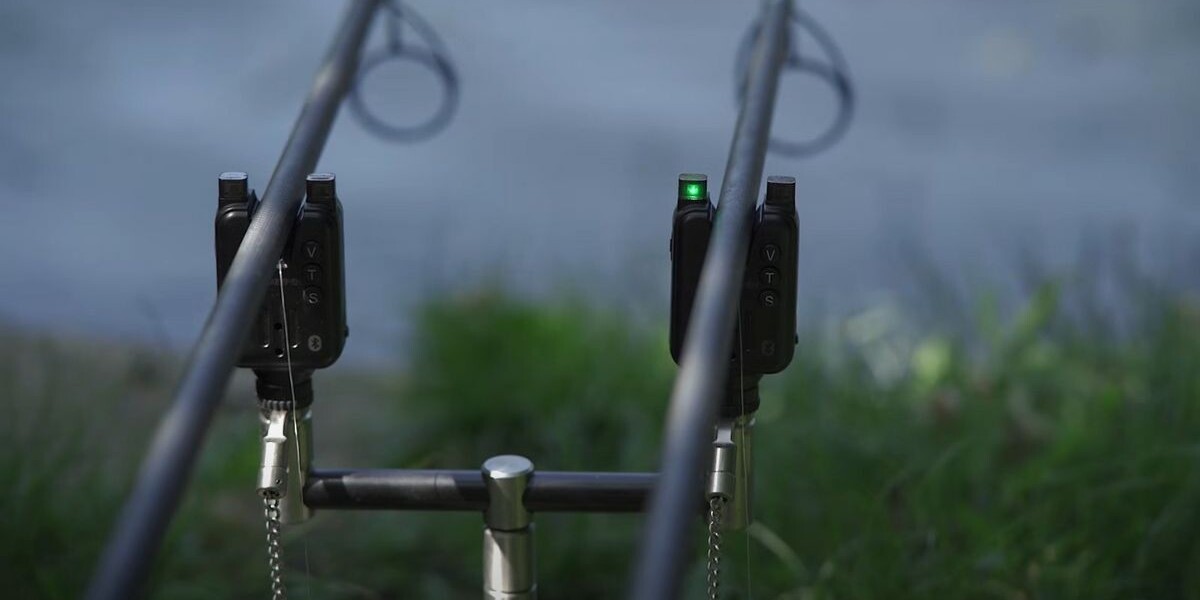
Bite alarms can look a bit ridiculous on paper now. Sensitivity modes, receiver ranges, illuminated snag ears, app control and more beeps than anyone really needs at 3am.
The useful features are the ones that help you read a take without every gust of wind, liner or passing boat setting the alarms off. We have reviewed and scored 12 of the best bite alarms across detection, build quality, settings and value.
Here is a quick summary of the alarms we recommend, and the full reviews follow below.
Our Top 12 Bite Alarms at a Glance
| Product | Best for | Bite alarm | Best suited to |
|---|---|---|---|
| Premium (£400+) | |||
 | 9.3 Best overall bite alarm | Delkim Txi-D v2 | Best suited to:Regular carp anglers who prefer vibration sensing. |
 | 9.0 Flagship roller-wheel alarm | Fox RX Plus Alarm | Best suited to:Anglers wanting direct dials on a premium roller-wheel system. |
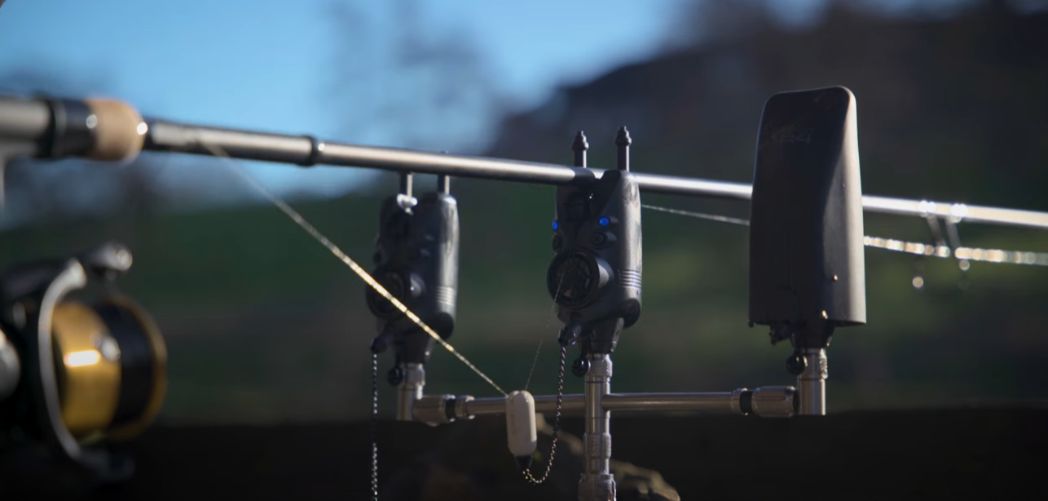 | 8.8 Nash flagship system | Nash Siren R4 | Best suited to:Regular anglers fishing wind, undertow and changing conditions. |
 | 8.8 Dual-sensing premium pick | Wolf Icon Qi Alarms | Best suited to:Carp anglers wanting both roller-wheel and vibration sensing. |
| Mid-range (£200 to £399) | |||
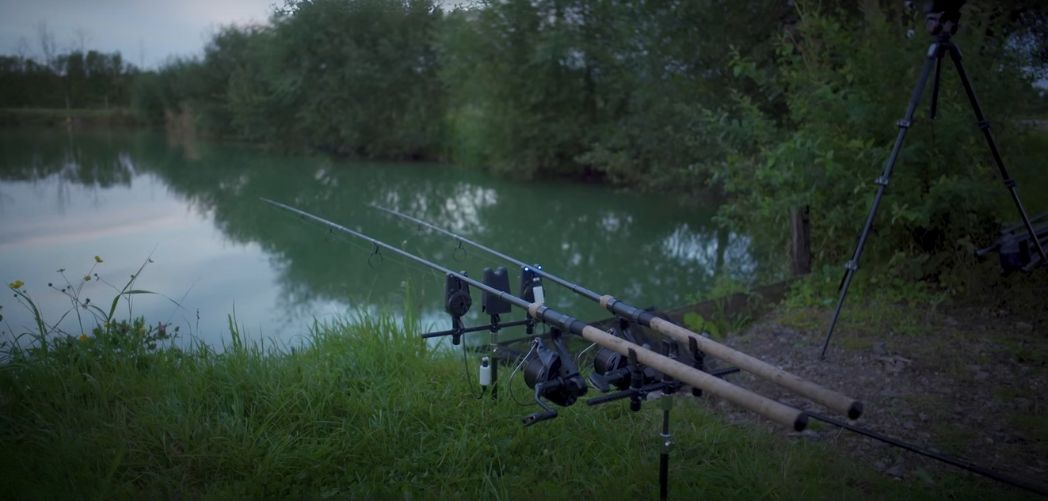 | 8.5 Mid-range rough-weather set | Trakker DB7-R | Best suited to:Anglers wanting useful weather filtering without flagship prices. |
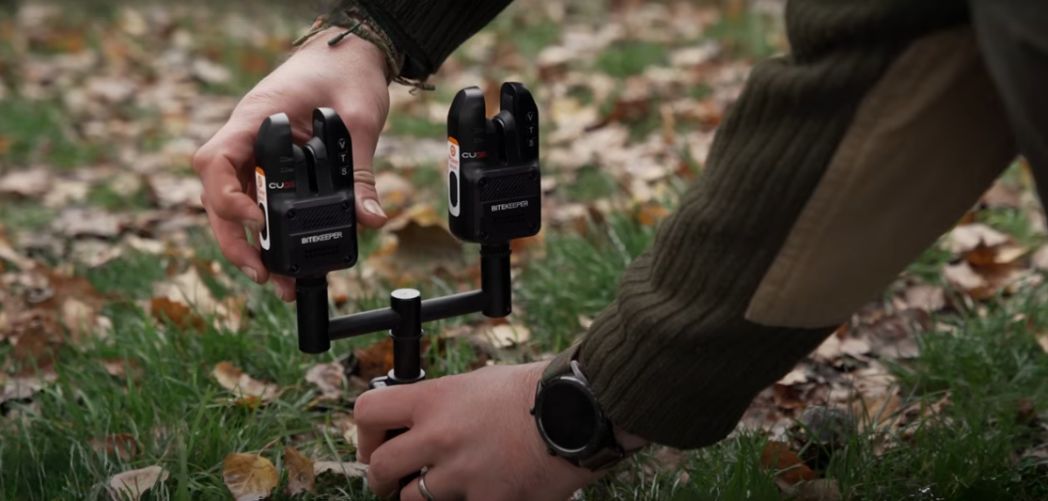 | 8.4 App-connected alarm | Rippton BiteKeeper Cube | Best suited to:Anglers who will use app control and rechargeable heads. |
| Lower-cost choices (Under £200) | |||
 | 8.8 Simple long-life alarm | Steve Neville MK3 Remote Alarms | Best suited to:Carp anglers who value simple controls and long battery life. |
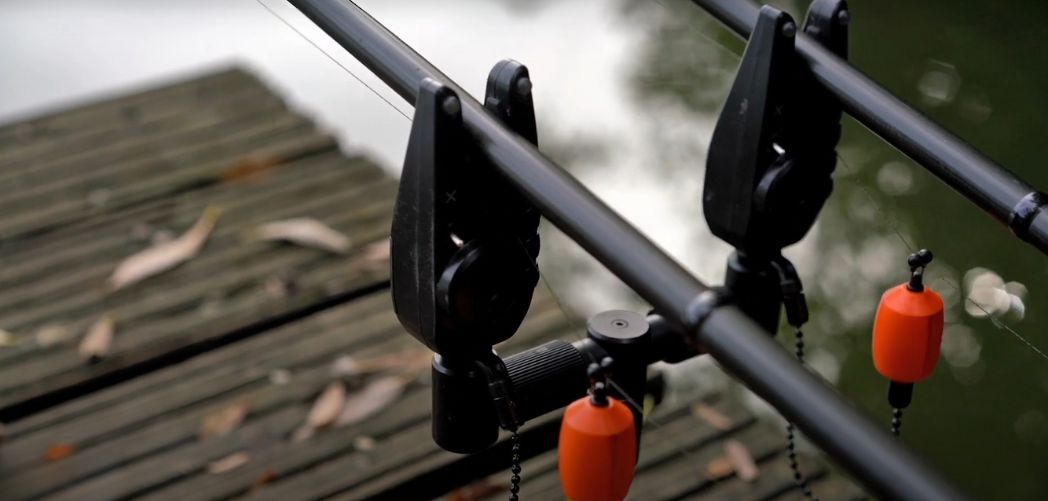 | 8.4 Budget Fox alarm set | Fox Mini Micron X | Best suited to:First alarm sets and anglers who prefer simple controls. |
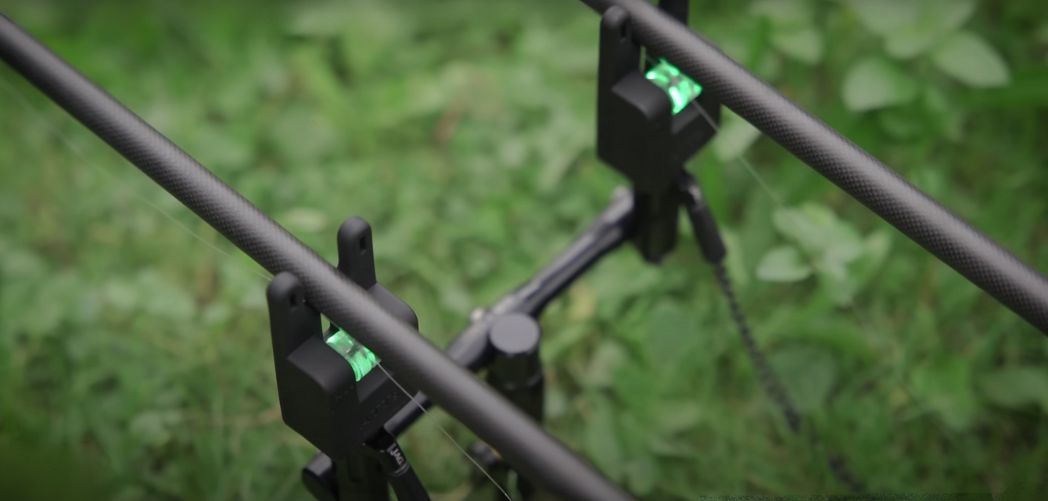 | 8.3 Silent alarm-head option | Gardner ATTs Alarms | Best suited to:Minimalist setups where all sound comes through the receiver. |
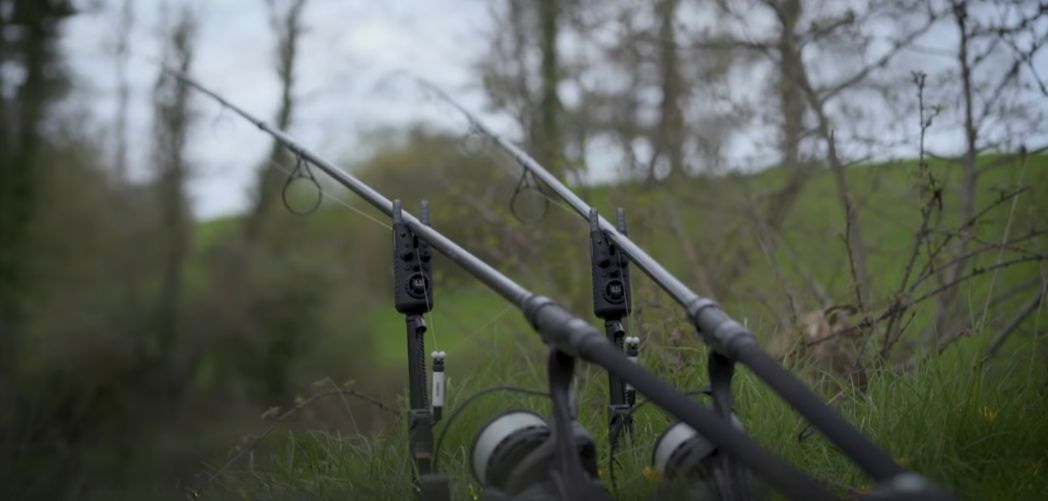 | 8.3 Alarm-linked bivvy light set | Sonik Gizmo 2 | Best suited to:Sonik users pairing their alarm set with a bivvy light. |
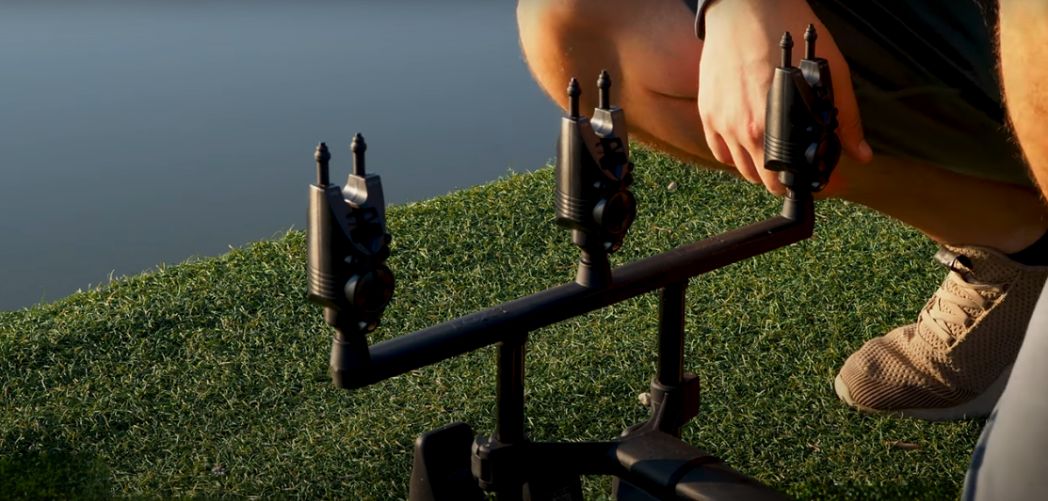 | 8.1 Lower-cost Nash set | Nash Siren R2 | Best suited to:Nash users wanting a compact receiver set at lower cost. |
 | 7.9 Compact rechargeable set | Prologic Element Bite Alarms | Best suited to:Four-head rechargeable setups for mobile fishing. |
How to Choose Bite Alarms
The alarm head, receiver and bobbin work as a system. Start with the type of line detection you prefer, then look at how much control you need over sensitivity, sound and false indications. Volume, tone, sensitivity and receiver functions are covered in more detail in bite alarms explained.
Roller wheel or vibration sensing
Most alarms run the line over a magnetic roller wheel. It is simple, familiar and easy to understand: line moves, the wheel turns and the alarm sounds. The number of magnets and the sensitivity setting decide how much movement produces an indication.
Delkim does the job differently by sensing vibration through the line, while the Wolf Icon Qi combines vibration and roller-wheel detection. Neither approach guarantees better fishing on its own. Buy the one whose controls make sense to you and which you can set for the line tension and conditions in front of you.
Sensitivity and false indications
Maximum sensitivity is not automatically best. Wind bowing the line, undertow, weed and boats can all give you nuisance bleeps, especially at range. Start in the middle and only turn the alarm up when the setup and conditions let you use the extra response.
The more advanced systems filter movement in different ways. Nash calls its settings Speed and Wave Sensing, Fox uses See-Saw elimination and Trakker uses Intelli-Sense. The names matter less than the job: calming repeated back-and-forth movement without hiding a take that keeps developing.
Receiver, drop-backs and bobbins
A receiver lets you keep the alarm heads quieter and still hear which rod has moved from inside the bivvy. Check that the receiver repeats the head colour and gives a different tone or light pattern for a drop-back, because that is far more useful at 2am than a heroic range claim. Alarm-linked lighting is also available among the best bivvy lights.
You still need a bobbin, hanger or swinger. It keeps contact with the line and makes a drop-back visible as the indicator falls. The alarm and indicator are doing different parts of the same job, so do not spend everything on the heads and then hang anything to hand underneath them.
Batteries, charging and weather protection
Alarm heads use everything from PP3 and LR1 batteries to AAA cells, while the Rippton and Prologic systems are rechargeable. Replaceable batteries are easy to swap on the bank. Rechargeable alarms save carrying spares, but only if charging them becomes part of packing for a session.
Look for a proper published weather rating or clear manufacturer care instructions. IP66 protects against dust and strong water jets, but it is not permission to pack wet alarms into a case for a week. Dry the heads and receiver after heavy rain, whatever the badge on the box says.
Which Bite Alarm Should You Buy?
| If you | Choose | Why | Watch out for |
|---|---|---|---|
| Want vibration sensing rather than a roller wheel | Txi-D v2 by Delkim | Wide response adjustment and a paired Rx-D v2 receiver | It uses 9V PP3 batteries and sits in the premium group |
| Prefer a premium roller-wheel alarm | RX Plus Alarm by Fox | Eight direct settings and See-Saw elimination | The complete system is large and expensive |
| Fish in wind, undertow or rough water | Siren R4 by Nash | Speed and Wave Sensing filter different types of line movement | Push-button settings take longer to learn |
| Want the simplest proven alarm | MK3 Remote by Steve Neville | Toggle control, four-magnet roller and silent receiver mode | Alarm heads are sold singly |
| Want roller and vibration sensing together | Icon Qi by Wolf | Both detection systems adjust independently | The head is larger and more complicated |
| Want useful weather filtering at mid-range money | dB7-R by Trakker | Intelli-Sense filters movement before a run develops | Each head uses a 9V PP3 battery |
| Are buying a first Fox receiver set | Mini Micron X by Fox | Simple V, T and S buttons with drop-back indication | The compact snag ears are smaller |
| Want app control and bite records | BiteKeeper Cube by Rippton | Rechargeable heads, app settings and indication history | A phone is needed for the full feature set |
| Want silent, minimalist alarm heads | ATTs by Gardner | All sound comes through the receiver | The compatible receiver is bought separately |
| Want an alarm-linked bivvy light | Gizmo 2 by Sonik | The supplied light copies the alarm channel colour | The connection is tied to the Sonik system |
| Want a compact Nash set for less | Siren R2 by Nash | Six sensitivity settings and a matching receiver | It lacks the R4's specialist sensing modes |
| Want four small rechargeable alarms | Element Com-Pact by Prologic | One USB lead charges the heads and receiver | You need to remember to charge before fishing |
When two alarms still look close, prioritise the controls, receiver and battery setup you will actually use.
The Best Bite Alarms
Detection comes first, but the controls, receiver and battery setup decide how easy an alarm is to live with.
Best overall bite alarm | Flagship roller-wheel alarm | Nash flagship system | Simple long-life alarm | Dual-sensing premium pick | Mid-range rough-weather set | Budget Fox alarm set | App-connected alarm | Silent alarm-head option | Alarm-linked bivvy light set | Lower-cost Nash set | Compact rechargeable set
Delkim Txi-D v2
Best overall bite alarm
How It Scored
The rubber-coated casing adds weather protection, while Delkim's service support matters if you keep the alarms for years.
The piezo sensor reads vibration through the line and gives you a wide response range without a roller wheel.
Six LED colours, day and night modes and the paired Rx-D v2 cover the settings most regular users will reach for.
This is flagship equipment at a flagship presentation-set price.
Delkim have been making bite alarms for over 40 years and are absolute legends in the carp fishing world. The Txi-D v2 is the culmination of four decades of engineering, and it shows.
The standout is Delkim's proprietary piezo vibration sensing technology. Rather than a traditional roller wheel, the system detects even the slightest vibration on your line. Turn the sensitivity up and they'll register a raindrop hitting your mainline. That level of sensitivity gives you a massive advantage when fishing for shy carp that tend to suck soft or drop back.
The v2 brings multi-colour LEDs for the first time (6 colours per head, auto-syncing with the receiver), a dedicated day and night mode, and a streamlined interface that makes the alarm far less daunting than the original Txi-D without losing any functionality.
Out of the box, the alarms are pre-set and paired, so you can be fishing in seconds.
This is top-end money, you're paying top-end money, but you're getting top-end technology, build quality, and something I rate just as highly: Delkim's customer service, which over the years has been second to none for spares, repairs and servicing.
The Delkim suits regular anglers who want a vibration-sensing system they can tune closely.
Pros
- ✓Piezo vibration sensing rather than a roller wheel
- ✓Simpler v2 menu and pre-paired receiver
- ✓Six LED colours with day and night modes
- ✓DND and anti-theft receiver functions
Cons
- ✕Uses 9V PP3 batteries rather than AA cells
- ✕The menu takes more learning than three direct dials
Fox RX Plus Alarm
Flagship roller-wheel alarm
How It Scored
A sealed case, stainless thread and rubber rod inlays make this a solid premium head.
D-Tec Plus sensing and See-Saw elimination give the RX Plus fine roller-wheel indication.
Eight indexed settings for volume, tone and sensitivity make adjustments direct and repeatable.
It is a proven premium system, although the full set costs considerably more than the simpler alarms here.
When Fox brought back the RX name, expectations were sky-high. The original Micron RX Digitals are still considered by many to be the ultimate bite alarm, with countless units still in service decades after release.
The direct controls and roller-wheel indication are easy to tune. Fox has taken the NTX-R platform and refined it with genuinely useful improvements rather than gimmicky features.
The D-Tec Plus sensing uses a CNC machined roller wheel with significantly increased clearance from the body, dramatically reducing the chances of freezing up in extreme cold. Sensitivity detects line movement as minimal as 2.8mm at maximum, three times more sensitive than the NTX-R.
See-Saw elimination is genuinely clever, substantially reducing false triggering without compromising bite detection. Three numbered dials adjust volume, tone and sensitivity with precise indexed clicks.
The complete set is expensive, the RX Plus is actually less expensive than the equivalent NTX-R setup was at launch. The practical difference from the Delkim is the familiar roller wheel rather than vibration sensing. Both are premium systems; the practical choice is whether you prefer vibration sensing or a roller wheel.
Pros
- ✓D-Tec Plus roller-wheel detection
- ✓See-Saw elimination reduces repeated false indications
- ✓Eight indexed settings for volume, tone and sensitivity
- ✓Deep snag ears with rubber rod inlays
Cons
- ✕A large and expensive presentation set
- ✕The roller wheel still needs to stay clean and free
Nash Siren R4
Nash flagship system
How It Scored
Digital switching and the established Siren casing keep mechanical weak points to a minimum.
Speed Sensing, Wave Sensing and drop-back differentiation cover difficult line movement well.
Five sensing modes and a rechargeable receiver give the R4 one of the broadest useful feature sets.
The capability is strong, but occasional anglers are unlikely to need everything they are paying for.
I've been running Siren alarms for years now, from the original S5s right through to these R4s. What keeps me coming back is simple, they've never let me down. Not once. The R4 delivers five genuinely useful sensitivity settings. Speed Sensing at 1cm or 2cm per second is fantastic for ignoring wind while staying sensitive to fish pulls. Wave Sensing cuts out back and forth movement until 15cm or 30cm of line is pulled, then flips to maximum sensitivity.
Drop back differential tone lets you know instantly what's happening without looking at your indicators, massively helpful when fishing washing line rigs or tight to snags.
Build quality is solid as a rock, completely digital with no mechanical switches to corrode. The USB-C rechargeable receiver lasts around twenty weeks between charges and can pair up to 36 alarms.
The R4 sits in the premium group, they're premium. But you're paying for advanced technology that solves real problems and legendary Nash reliability.
The R4 makes most sense for regular specimen anglers who will use its extra sensing modes in awkward conditions.
Pros
- ✓Five sensitivity modes for different line movement
- ✓Separate forward-run and drop-back tones
- ✓Digital switching with no mechanical controls
- ✓USB-C rechargeable receiver
Cons
- ✕Push-button menus are slower than direct dials
- ✕A premium system for anglers who will use the extra sensing modes
Steve Neville MK3 Remote Alarms
Simple long-life alarm
How It Scored
The casing and simple toggle design have little to go wrong when treated properly.
A four-magnet roller gives sensitive, familiar indication without complicated processing.
Silent receiver operation is useful, but there are far fewer adjustments than on the electronic flagships.
Buying heads singly lets anglers build the setup they need, although a receiver adds to the final cost.
Steve Neville alarms have been used for carp fishing for over 30 years, favoured by the likes of Terry Hearn and Nigel Sharp. These are not just bite alarms, they are part of the history of carp fishing with a near cult following.
The MK3 Remote has that same iconic design with the single metal toggle switch. No deep menus, no hundreds of settings. Toggle switch for power and sensitivity, 3 volume settings including silent, and that is it. For anglers who want simple but effective bite indication, this is a breath of fresh air.
The four-magnet roller wheel works with reed switches to create ultra-sensitive bite detection that picks up even the most delicate bites. A standout feature is the dual operating mode, switch on for speaker sound as a standalone unit, toggle again for silent operation where only the receiver makes noise.
The built-in transmitter has excellent range to 500 metres and battery life is around a season on a single LRV08.
Because the heads are sold singly, (sold as single units, not a presentation set), these are excellent value. You get a piece of carp fishing history, proven reliability and bite detection that is genuinely effective. Outstanding for anglers that love classic design and bombproof performance.
Pros
- ✓Very simple toggle-switch control
- ✓Four-magnet roller-wheel detection
- ✓Silent head mode through the receiver
- ✓Long quoted transmitter range
Cons
- ✕Alarm heads are sold singly
- ✕Overtightening on a buzz bar can damage the casing
Wolf Icon Qi Alarms
Dual-sensing premium pick
How It Scored
British manufacture, a hard-wearing casing and the registered warranty suit anglers buying for long-term use.
Independent vibration and roller-wheel sensing give the Qi more detection choice than any other head here.
Recoil Elimination, distinct run tones and HUBB control give you plenty to adjust.
The technology is extensive, but the size and premium system price narrow its appeal.
Wolf International are a relative newcomer but have hit the scene with something completely different. The Icon Qi is 100% British built with each unit hand-tested before leaving the factory.
The standout is the unique dual detection system, both vibration sensing and roller wheel technology in one alarm, independently adjustable. Three separate audible tones for forward takes, drop backs and vibration detection mean you know exactly what's happening before you even glance at the receiver.
Sensitivity ranges from 2mm to 100mm and the Recoil Elimination system massively reduces false alarms by measuring line movement in both directions, only activating on a genuine take.
Build quality is superb with a hard-wearing casing that feels made to last, backed by a four-year warranty when registered.
The full Qi and HUBB system is a flagship buy, you're getting top-of-the-range dual detection, British manufacturing and a vast array of customisation options.
The Icon Qi suits anglers who want to adjust vibration and roller-wheel detection independently.
Pros
- ✓Dual roller-wheel and vibration detection
- ✓Separate forward, drop-back and vibration tones
- ✓Recoil Elimination filters back-and-forth movement
- ✓Four-year warranty when registered
Cons
- ✕Larger body than most alarms here
- ✕The number of settings can be more than a simple setup needs
Trakker DB7-R
Mid-range rough-weather set
How It Scored
The weatherproof casing and protected battery compartment suit regular outdoor use.
Intelli-Sense filters nuisance movement before switching to high sensitivity when line keeps moving.
Eight direct dial settings and clear drop-back indication cover the controls most anglers use.
It offers much of the useful premium functionality without moving into the highest price group.
The Trakker DB7-R is five years in the making and it shows. Where others cram in features you'll never use, Trakker have stripped back to only the technology that actually matters on the bank.
The standout is Intelli-Sense Mode. On the lowest sensitivity, the alarm allows up to 15cm of line to be pulled before registering a beep, perfect for windy conditions, weed or passing boats. As soon as more line is taken past that point, it instantly switches to maximum sensitivity for full bite detection on the run.
Build quality is first class with an IP68 waterproof rating. They carried on working through ten hours of solid rain.
The dual-descent tone drop back differential is brilliant, forward takes give a consistent single tone while drop backs deliver an alternating tone so you instantly know what's happening.
The DB7-R sits in the middle of this field, the DB7-R hits the mid-range sweet spot perfectly. The DB7-R gives you useful movement filtering without moving into the flagship price group.
Pros
- ✓Intelli-Sense filtering for wind, waves and boat movement
- ✓Eight volume, tone and sensitivity settings
- ✓Separate forward and drop-back indications
- ✓Weatherproof head and receiver
Cons
- ✕Uses a 9V PP3 battery in each head
- ✕No vibration-sensing option
Fox Mini Micron X
Budget Fox alarm set
How It Scored
The compact Fox casing is well finished, though the smaller snag ears are the obvious compromise.
Four sensitivity settings and D-Tec roller detection cover ordinary carp fishing without fine flagship adjustment.
Direct V, T and S buttons, four colours and a matching receiver keep the system easy to learn.
You get the alarm heads and matching receiver for less than the premium systems here.
The original Mini Microns became the benchmark when they launched in 2000 and have been synonymous with carp waters ever since. The Mini Micron X retains that instantly recognisable silhouette while modernising everything underneath.
Inside is Fox's D-Tec roller wheel detection with four sensitivity settings. The drop-back differential is a nice touch, a high tone for forward runs and a lower tone for drop-backs so you know what's happening before you even glance down.
Three labelled buttons on top adjust volume (seven steps), tone (four options) and sensitivity. Even with numb fingers, you don't have to fiddle. The two LEDs offer four colour options that auto-sync with the receiver.
Perfectly proportioned to slip into the smallest swims or use while stalking.
As a complete Fox receiver set, these come with features that rival systems costing two or three times the price.
If you're new to carp fishing or want no-nonsense indication without paying premium prices, the Mini Micron X strikes a near perfect balance.
Pros
- ✓Straightforward volume, tone and sensitivity buttons
- ✓Forward-run and drop-back tone difference
- ✓Four LED colours that sync with the receiver
- ✓Compact body for tight swims
Cons
- ✕Smaller snag ears than a full-size alarm
- ✕Uses N-type LR1 batteries
Rippton BiteKeeper Cube
App-connected alarm
How It Scored
The alloy body and IP66 rating give the rechargeable system credible weather protection.
Up to 1mm sensitivity is impressive, although the smart filtering is central to getting the best from it.
App control, bite logging, rechargeable batteries and firmware updates make this the smart-feature specialist.
The features are substantial for the money, but only if the buyer genuinely wants phone control.
Where other brands have perfected traditional designs over decades, Rippton has taken a giant leap into smart technology with full smartphone integration and app control.
Metal alloy construction with IP66 weatherproofing gives build quality as good as anything on the market. Where the BiteKeeper Cube really shines is the app, with Drift Mode eliminating false triggers and automatic bite history logging that records every indication with date, time and exact line movement.
The system is fully rechargeable with up to 30 days standby on the receiver and 20 days on the alarm heads. Maximum sensitivity of 1mm is right up there with premium systems and 500-metre range is competitive with established brands.
Lifetime free firmware updates mean Rippton can send improvements and new features via the app, so your alarms get better over time rather than becoming obsolete.
The smart features push it above the basic sets, it's mid-premium money for genuinely leading-edge technology. The BiteKeeper Cube makes most sense when app control, indication records and rechargeable heads are features you will actually use.
Pros
- ✓App control and bite-history logging
- ✓Rechargeable alarm heads and receiver
- ✓IP66 weather protection
- ✓Up to 1mm sensitivity and 500-metre quoted range
Cons
- ✕A phone is needed for the full feature set
- ✕Rechargeable batteries need planning on longer trips
Gardner ATTs Alarms
Silent alarm-head option
How It Scored
A sealed casing with no speaker or control openings is the strength of the ATTs design.
The intelligent magnetic roller is effective, although the head offers no sensitivity adjustment.
Receiver-only sound and the illuminated wheel are purposeful, but deliberately minimal.
The alarm head is keenly priced, but buyers must allow for the separate compatible receiver.
In a market saturated with LED displays and menu configurations, the Gardner ATTs have remained largely unchanged for nearly 30 years. there are no buttons, no dials, no switches. The protective hard case is the on/off switch, remove it and the alarm is on, replace it and it's off. The illuminated wheel places a single LED underneath a transparent roller. When line moves, it creates a gentle diffused glow that preserves your night vision unlike jarring LED spotlights. Visible from across the swim, even in bright sunlight.
The ATTs casing is submersible. With no speaker port, jack socket or external controls, there are very few places for water to get in.
Silent operation means all audible confirmation comes from your ATTx receiver at the bivvy rather than by the margin. At just 34mm x 21mm x 63mm, they are by far the smallest alarms available, perfect for stalking or cramped swims.
These won't be for everyone. If you want extensive customisation there are plenty of other options. But for anglers who value simplicity, proven reliability and understated quality over showy features, the ATTs have everything you need and nothing you don't.
After nearly three decades of dependable performance they remain a cult classic for good reason.
Pros
- ✓Silent alarm heads
- ✓Waterproof casing with no speaker opening
- ✓Hard case acts as the on/off switch
- ✓Small body with an illuminated roller
Cons
- ✕A compatible ATTx receiver is a separate purchase
- ✕No volume, tone or sensitivity controls on the head
Sonik Gizmo 2
Alarm-linked bivvy light set
How It Scored
The sealed heads and improved snag ears are sound for this part of the market.
Roller-wheel detection and drop-back indication are dependable rather than unusually sensitive.
The colour-matched bivvy light, mute mode and clear controls give this set its advantage.
Supplying the receiver and linked bivvy light makes the package good value for overnight anglers.
Sonik have always been about packing maximum features into accessible price points and the Gizmo 2 continues that tradition. As a two-alarm set with receiver and integrated bivvy light, it genuinely punches above its weight.
The bivvy light integration is what makes these stand out. When an alarm triggers, the bivvy light illuminates in that alarm's colour with a central indicator showing which rod has gone. It's brilliantly executed and included as standard, which most systems charge extra for.
Sonik listened to feedback from the original Gizmo. The illuminated snag ears are now clearly visible even in bright sunshine, the speaker has been upgraded with crisp audio that cuts through wind noise, and the intelligent hard case on/off system means you'll never flatten batteries in transit.
The mute function is genuinely useful too, press 'F' and you can adjust rigs without the constant bleeping that annoys everyone on the lake.
At this price point with everything included, the Gizmo 2 represents exceptional value. It delivers features and integration that anglers actually use without stretching to premium alarm systems.
Pros
- ✓Bivvy light supplied with the alarm set
- ✓Light copies the alarm channel colour
- ✓Intelligent mute for adjusting rigs
- ✓Bright snag ears and drop-back indication
Cons
- ✕Alarm heads and receiver use AAA batteries
- ✕The linked bivvy light works only within the Sonik system
Nash Siren R2
Lower-cost Nash set
How It Scored
The compact Siren shell and protective case keep the R2 from feeling like a throwaway budget alarm.
Six sensitivity settings give useful adjustment, though the system lacks the R4's specialist sensing modes.
Colour matching, tone and volume control cover the everyday requirements neatly.
It is the easier route into a Nash receiver set without paying for R4 features.
Nash's Siren range requires no introduction, they've become legendary through years of proven performance. The R2 plugs a gap that was crying out to be filled, injecting that hallmark Siren reliability into the budget-friendly bracket.
You get five variable LED colours, six sensitivity settings from 10mm to 85mm, four volume levels and five tone options. The receiver automatically matches LED colours and tones from each paired alarm.
The compact body is perfect for low-profile setups and the removable rubberised snag ears add versatility. Nash haven't scrimped on build quality to hit this price either, the familiar Siren shell, two-button control interface and protective case all speak of attention to durability.
A two-year extended no-quibble warranty gives genuine peace of mind.
For a single minimalist alarm head, the R2 is the right choice for anglers wanting into the Nash system without R3 or R4 prices.
Proper Nash quality and reliability at a very accessible price point with enough features to satisfy most anglers.
Pros
- ✓Compact Nash alarm and receiver
- ✓Six sensitivity settings
- ✓Five LED colours
- ✓Two-year extended warranty
Cons
- ✕No vibration mode on the receiver
- ✕Fewer sensing options than the R4
Prologic Element Bite Alarms
Compact rechargeable set
How It Scored
The sealed rechargeable construction and IP66 rating remove a conventional battery-door weak point.
Detection is adequate for ordinary carp fishing, but less refined than the higher-scoring systems.
Six VTS settings, colour matching and charging while in use make the small heads practical.
Four rechargeable heads and a receiver make sense for mobile anglers who will keep them charged.
The Prologic Element Com-Pact alarms really are compact. They gain this smallness by being completely rechargeable, and Prologic have squeezed genuinely useful features into a tiny package.
Six levels for volume, tone and sensitivity with dedicated buttons for each, no combination presses to get tangled up with. Four LED colours with automatic receiver mirroring and drop-back differential for clear audible feedback on indication type.
The rechargeable side is what sets them apart. The included charging cable plugs all four alarms plus receiver into one USB socket, and you can recharge whilst fishing using any power bank.
IP66 waterproof rating provides good protection and the sealed rechargeable construction eliminates conventional weak points like battery doors. Detection is good rather than great, but more than enough for the vast majority of carp fishing applications.
The small form factor is a real benefit for stalking specialists, mobile anglers or tight swims. No running costs, no carrying spare batteries. With the receiver and bivvy light included, they offer good value for what they are, a modern feature set and truly compact design at an affordable price.
Pros
- ✓Small rechargeable heads
- ✓Six settings for volume, tone and sensitivity
- ✓IP66 dust and water protection
- ✓Can be charged from a powerbank while fishing
Cons
- ✕Must be charged before the session
- ✕Quoted receiver reach is at least 100 metres rather than long-range flagship territory
Frequently Asked Questions
What is the difference between roller wheel and vibration sensing bite alarms?
Roller wheel alarms detect line movement mechanically through a rotating roller, while piezo vibration alarms like the Delkim Txi-D use electronic sensors to detect vibration in the alarm body itself. Roller wheels are traditional, proven and most anglers are confident in their performance. Vibration sensors have no moving parts to freeze in cold weather and can be more sensitive to ultra-light takes. Both systems work well when engineered properly and the choice largely comes down to personal preference.
Do I need a receiver with my bite alarms?
Yes, for any session where you are in a bivvy or away from your rods, a receiver is recommended. It lets you hear indications clearly without making the alarm heads uncomfortably loud, allows silent operation so you don't spook fish near the margins, and many offer vibration mode for completely discreet bite indication. The only scenario where you could skip one is very short sessions where you are watching the rods constantly.
Do I need a bobbin with a bite alarm?
Yes, a bobbin, hanger or swinger keeps light tension on the line and shows movement below the alarm head. It makes a drop-back easy to see as the indicator falls, while the alarm supplies the audible indication.
Are rechargeable bite alarms better than battery-powered?
Neither is objectively better. Rechargeable alarms like the Rippton BiteKeeper and Prologic Element save on battery costs, can be topped up with a power bank while fishing, and are more compact without battery compartments. Battery-powered alarms offer instant replacement if power runs low and don't require pre-session charging. If you prefer the security of an instant battery swap, a traditionally powered alarm still makes sense.
What sensitivity setting should I use on my bite alarm?
Start with medium sensitivity and adjust from there. Use high sensitivity when fishing to wary fish on pressured venues or tight to snags where you need instant indication. Lower the sensitivity in windy conditions, at long range where wind affects the line, or if you want to filter out liners and only trigger on committed takes. There is no single correct setting as it depends entirely on the conditions you are fishing in.
Why do bite alarm sets vary so much in price?
The price difference reflects build quality, materials, technology and brand support. Advanced features like piezo sensing, false-alarm cancellation and app connectivity add development costs. Budget and mid-range alarms have improved significantly in recent years though. Lower-cost sets can still cover ordinary bite indication very well, especially if you do not need app control, specialist filtering or long receiver range.
Are expensive bite alarms worth it for occasional anglers?
Usually not. For occasional anglers, mid-range alarms like the Nash Siren R2, Fox Mini Micron X or Sonik Gizmo 2 offer a sensible balance of reliability, features and value. The investment in a premium system is best suited to anglers who fish regularly and rely on their equipment week in, week out.
Final Thoughts
For me, the Delkim Txi-D v2 is still the best all-round alarm here. The vibration sensor is genuinely different from a roller wheel and the response control gives you room to tune it, but you are paying flagship money for the full system.
If you prefer a roller wheel, the Fox RX Plus is the premium alternative. The Nash R4 is the better fit when wind, undertow and awkward line movement make its Speed and Wave Sensing useful rather than just another menu to scroll through.
The Fox Mini Micron X is the easier buy for a first receiver set, while the Trakker DB7-R sits neatly between the budget and flagship systems. Both keep the controls familiar and cover the bite indication most carp anglers actually need.
The other alarms solve more particular jobs. Steve Neville and Gardner keep things beautifully simple, Wolf and Rippton lean into extra detection and app features, Sonik adds the linked bivvy light, and the rechargeable Prologic set packs four small heads into the case.
Whichever you choose, learn what a liner, forward run and drop-back sound like on your own setup. A well-adjusted mid-range alarm will tell you more than an expensive one left on the wrong setting.
Our Picks
- Best overall bite alarm: Txi-D v2 by Delkim
- Flagship roller-wheel alarm: RX Plus Alarm by Fox
- Nash flagship system: Siren R4 by Nash
- Simple long-life alarm: MK3 Remote by Steve Neville
- Dual-sensing premium pick: Icon Qi by Wolf
- Mid-range rough-weather set: dB7-R by Trakker
- Budget Fox alarm set: Mini Micron X by Fox
- App-connected alarm: BiteKeeper Cube by Rippton
- Silent alarm-head option: ATTs by Gardner
- Alarm-linked bivvy light set: Gizmo 2 by Sonik
- Lower-cost Nash set: Siren R2 by Nash
- Compact rechargeable set: Element Com-Pact by Prologic
Thanks for reading.
Tight Lines!