


Sea Spinning Rods
Sea spinning rods for bass lure fishing, light rock fishing and mackerel, from short LRF rods that cast a few grams to 10ft rods that throw feathers and metals from piers and beaches. Each rod shows the lowest price that reputable online tackle shops are charging for it with stock right now.
Read more Read less
Bass rods, LRF rods and mackerel rods are all spinning rods, built to cast and retrieve lures with a fixed spool reel under the handle.
Each listing also shows how many reputable online tackle shops have it in stock.
Explore related categories:

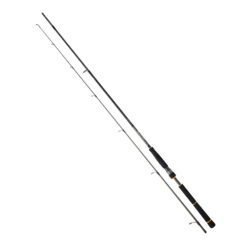
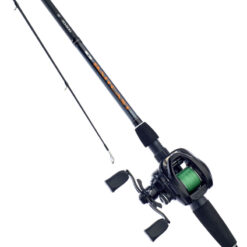
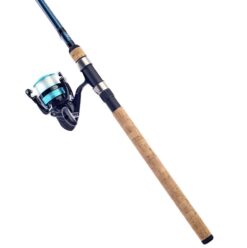
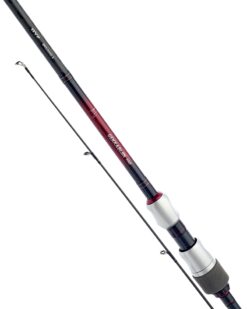

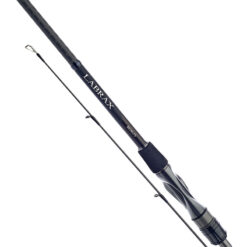
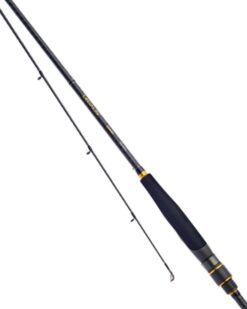


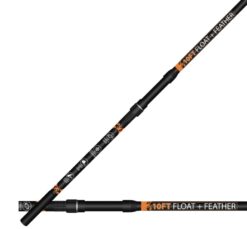
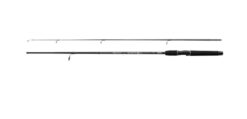
Leeda 9ft Saltwater Spin Sea Fishing Rod
Price Compared
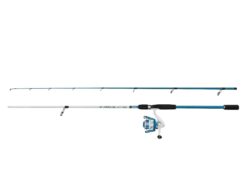
Mitchell Neuron SW II Spin 240 10-40g Combo
Price Compared
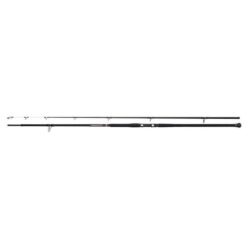
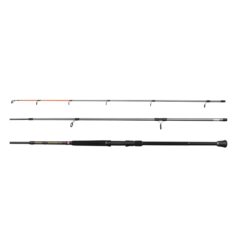

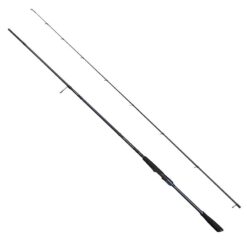
Savage Gear Defiance SG2 Medium Game Spinning Rod
✓ Reviewed 8 / 10
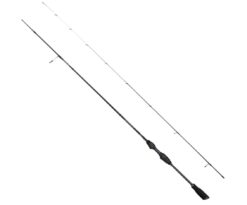
Savage Gear Defiance SG2 UL Game Rods 2.13M/2-9G
Price Compared
Savage Gear Revenge SG2 Micro Game Spinning Rods
Price Compared
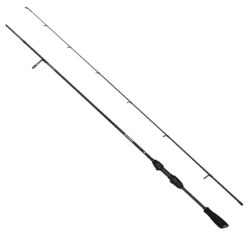
Savage Gear Revenge SG2 Ultra Light Game Rods
Price Compared
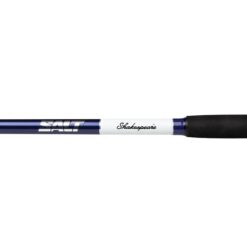
Shakespeare Salt Mackerel Spinning Rod 302 10ft
Price Compared
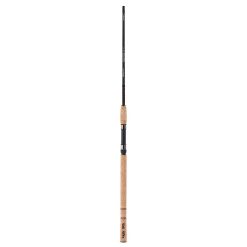
Shakespeare Ugly Stik Elite Spinning Rod
✓ Reviewed 7.9 / 10
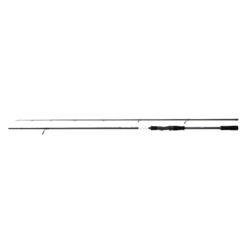
Shimano Sea Bassterra XT+ Spin Sea Bass
Price Compared
No products match those filters.
Bass Rods
Bass lure rods usually run from 9ft to 10ft with a casting weight of around 10g to 40g, which throws surface lures, shallow divers and soft plastics over rough ground. Longer rods add distance on open beaches, while shorter rods give more control from rocks and estuaries.
Bait anglers after bass from the beach often use a light beachcaster instead, and those rods are listed in Beachcasters and Surf Rods.
LRF Rods
LRF rods are short, light spinning rods for light rock fishing, usually 6ft to 8ft with casting weights from under 1g up to around 10g. They fish tiny soft lures and jig heads around harbours, rocks and marinas for wrasse, blennies, gobies and small pollack.
Every light rock rod is listed in LRF Rods.
Mackerel and Feathering Rods
Mackerel rods are usually 10ft to 12ft, with enough backbone to cast a string of feathers and a lead or a metal lure and lift several fish at once from a pier, harbour wall or beach. Many are sold as a combo with a reel already loaded with line.
The same rods handle float fishing for garfish and light spinning for pollack, which makes them a common first sea rod.
Length, Casting Weight and Action
The casting weight on the blank shows the lure range the rod loads properly with, so it is best matched to the lures fished most. A fast action suits small lures and shows bites clearly, while a progressive action bends deeper for distance and cushions a hard fighting fish.
Our guide to the best sea fishing rods compares the leading sea rods.
Frequently Asked Questions
What rod is used for bass fishing?
Most bass lure anglers use a 9ft to 10ft spinning rod rated around 10g to 40g, which casts plugs and soft lures well and has the power to handle a big bass in surf or current.
What is an LRF rod?
An LRF rod is a short, light spinning rod for light rock fishing, built to cast lures of a few grams and show the smallest bites from harbour and rock species.
What rod is used for mackerel fishing?
A 10ft to 12ft spinning rod casts a string of feathers and a lead or a metal lure well, and has enough backbone to lift several mackerel at once.
Can a bass rod be used for LRF?
Most bass rods are too heavy for the smallest LRF lures, which is why LRF rods are built with much lighter casting weights and softer tips.
What is the difference between a sea spinning rod and a beachcaster?
A sea spinning rod is lighter and built to cast and retrieve lures, while a beachcaster is longer and heavier and built to cast a lead and bait a long way and hold it in surf.
Where does the lowest price come from?
The lowest price comes from reputable online tackle shops with the item in stock, and each product page lists every one of them.