

Fly Fishing Tackle
Shop fly fishing rods, reels, lines and ready-made kits in one place and see who's selling each one cheapest right now. Sort by area or price to home in on the part of the setup you need.
Read more Read less
Every item here is price-checked against reputable online tackle shops, so the live lowest price and the shops we compared sit on each product.
Filter the range by brand, price and product type to move between rods, reels and lines, or to put a full starter kit together.
Where we have reviewed a piece of tackle, you can sort by review score to see how it rated before you buy.
Explore related fly fishing tackle categories:
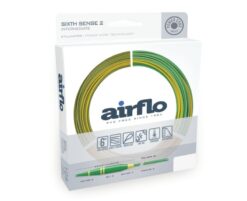
Airflo Sixth Sense 2 Intermediate Fly Line Fast Inter WF
Price Compared
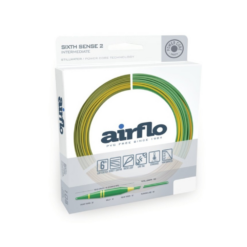
Airflo Sixth Sense 2 Intermediate Fly Line Mid Inter
Price Compared
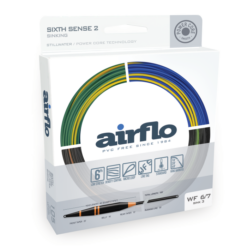
Airflo Sixth Sense 2 Sinking Fly Line WF
Price Compared
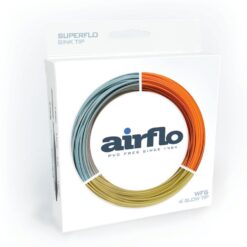
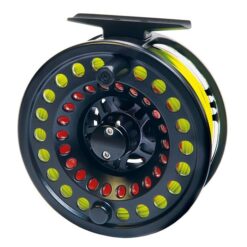
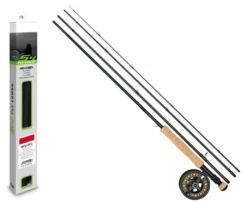

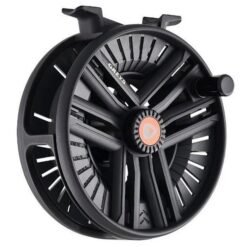
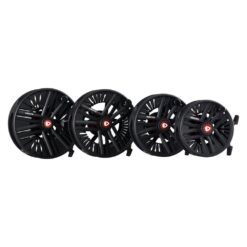
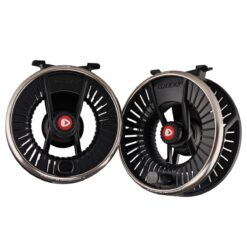
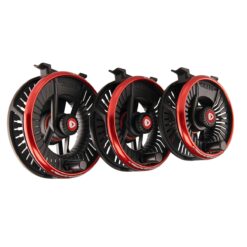

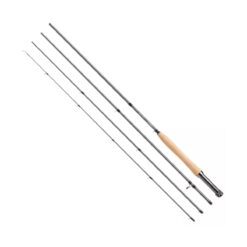
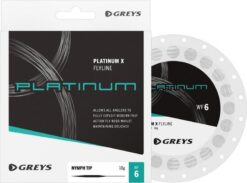
Greys Platinum X Nymph Tip Fly Line Weight Forward
Price Compared
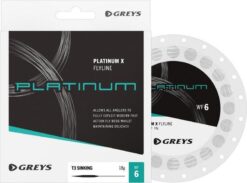
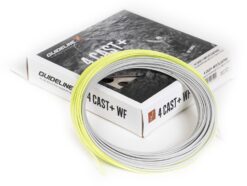
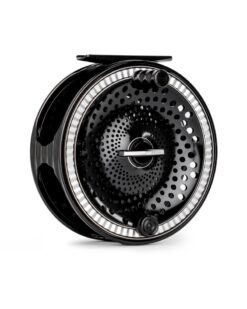
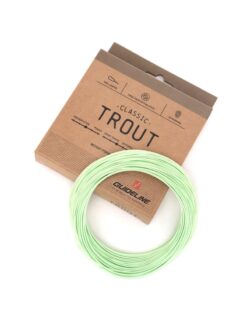
Guideline Classic Trout Floating Fly Line
Price Compared
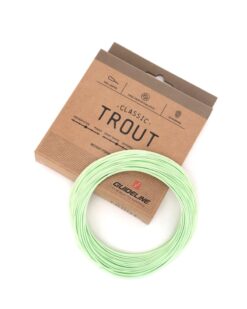
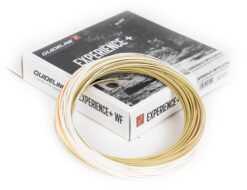
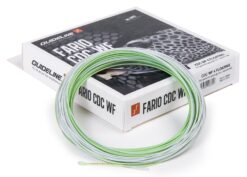
Guideline Fario CDC Floating Fly Line WF
Price Compared
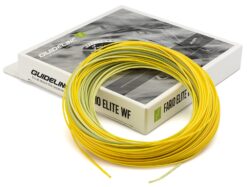
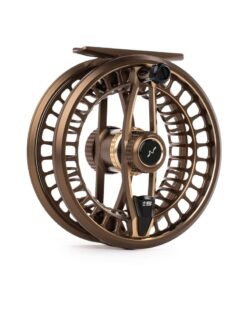
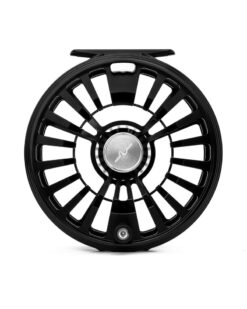
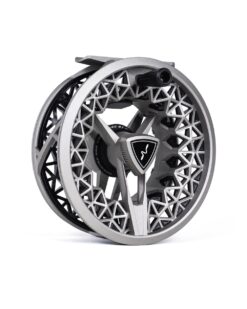
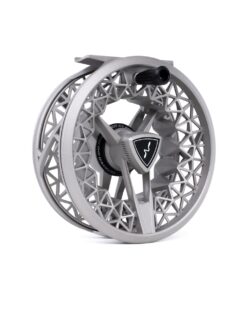
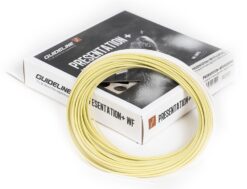
Guideline Presentation+ WF Floating Fly Line
Price Compared
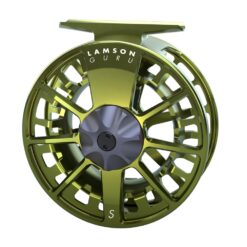
Lamson Guru S-Series Olive Green Fly Reel
Price Compared
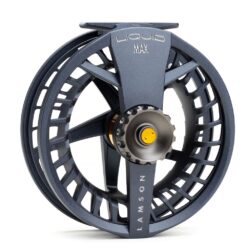
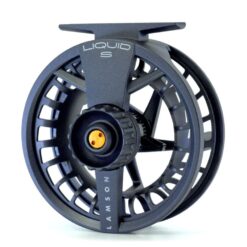
Lamson Liquid S-Series Daybreak Fly Reel
Price Compared
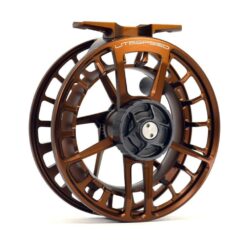
Lamson Litespeed F-Series Whiskey Fly Reel
Price Compared
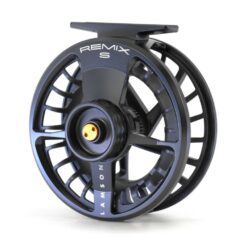
Lamson Remix S-Series Daybreak Fly Reel
Price Compared
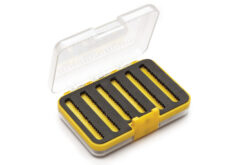
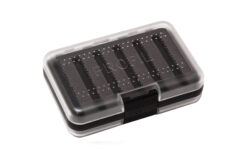
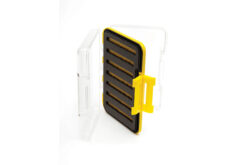
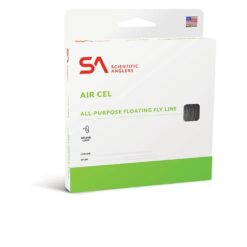
Scientific Anglers Air Cel Orange Weight Forward Fly Line
Price Compared
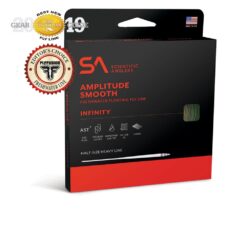
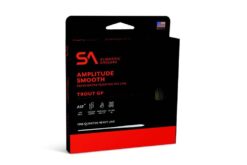
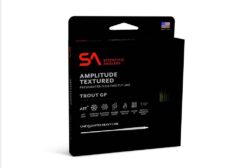
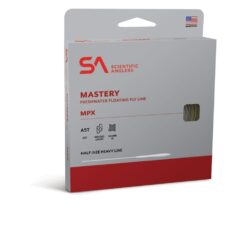
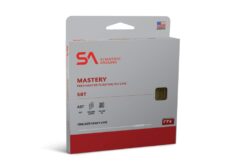
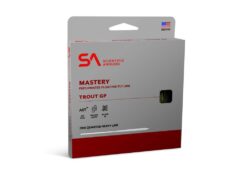
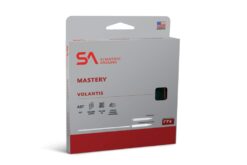
Scientific Anglers Mastery Trout GP Floating Fly Line WF
Price Compared
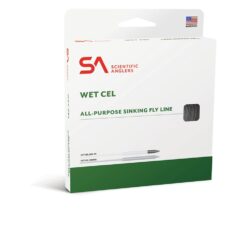
Scientific Anglers Wet Cel Sink 2 Weight Forward Fly Line
Price Compared
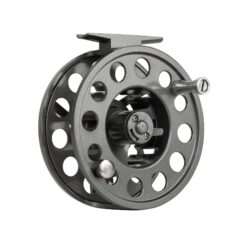
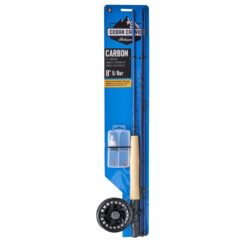
Shakespeare SKP Carbon Fly Fishing Combo
Price Compared
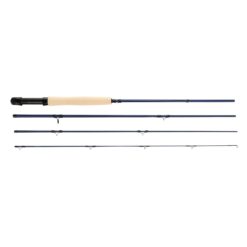
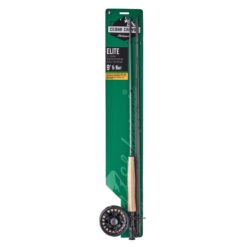
Shakespeare SKP Elite Fly Fishing Combo 9ft 4pc
Price Compared
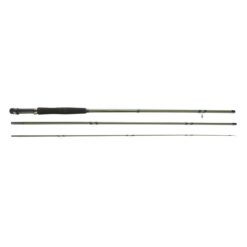
Shakespeare SKP Select Fly Rod 8ft 5/6wt 3pc
Price Compared
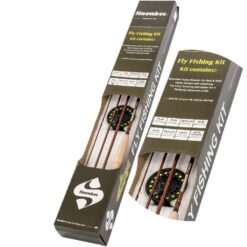
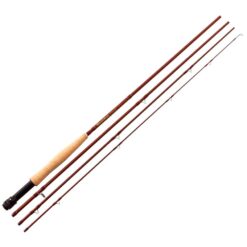
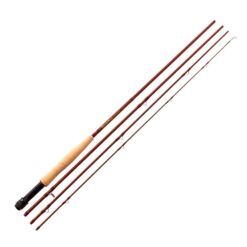
Snowbee Classic SW Fly Rod 9ft #8 4 Pce
Price Compared
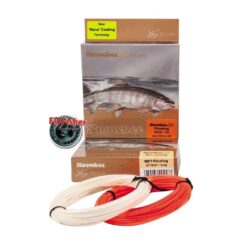
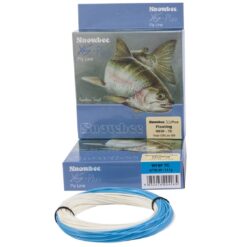
Snowbee XS-Plus Twin Colour Floating Fly Line
Price Compared
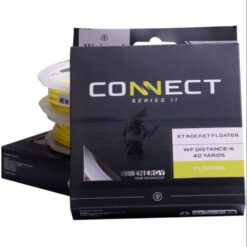
Wychwood Connect Series 2 ET Rocket Floater Fly Line
Price Compared
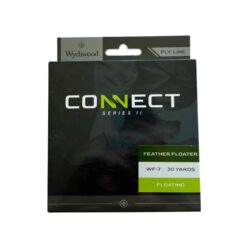
Wychwood Connect Series 2 Feather Floater Fly Line
Price Compared
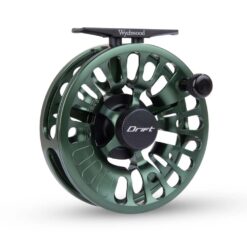
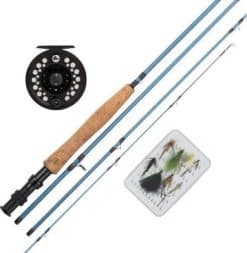
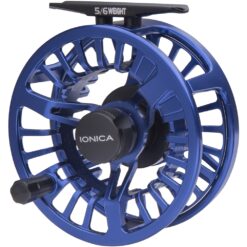
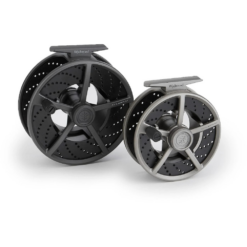
Wychwood Truefly SLA MKII Silver Fly Fishing Reel
Price Compared
No products match those filters.
How to Choose Fly Fishing Tackle
A fly outfit is built around a line weight, written as an AFTM or # number, and the rod, reel and line all need to share it. A 5 weight suits trout on rivers and small stillwaters, while 7 and 8 weights handle bigger reservoirs, pike and salmon.
The rod sets the backbone of the outfit. Length is usually around 9ft for general trout work, with longer rods helping line control on big water and shorter ones suiting small streams and overgrown banks.
The reel mainly holds and balances the line on most freshwater outfits, so it is matched to the rod weight rather than chosen for power. A reliable drag matters more once fish run hard, such as on bigger reservoirs and saltwater.
The fly line does most of the casting, since the weight of the line loads the rod rather than the fly. A floating line covers the majority of trout fishing, with sink-tip and sinking lines added to reach fish holding deeper.
A starter kit pairs a balanced rod, reel and line in one go, which removes the guesswork for a first outfit. Buying the parts separately makes more sense once you know the water and the species you are targeting.
Fly Fishing Tackle Prices and Reviews
There are 64 fly fishing products listed here, spanning entry-level kits through to dedicated rods and reels for the committed angler.
We have hands-on reviews on 4 of them, each one rated for balance, casting feel and build. A dedicated fly fishing buying guide is not live yet, so the reviews and the live prices on each product are the best place to compare for now.
Frequently Asked Questions
What fly fishing tackle do I need to start?
A basic setup is a balanced rod, reel and fly line of the same weight, plus a leader, some flies and a few tippet spools. A ready-made kit pulls the main parts together at one weight, which is the simplest way to start.
What line weight should I choose for fly fishing?
A 5 weight is the common all-round choice for trout on rivers and small stillwaters. Step up to a 7 or 8 weight for big reservoirs, pike and salmon where you need to cast heavier flies into wind.
Do the fly rod, reel and line have to match?
Yes, they should all be built for the same line weight so the outfit casts as intended. A 6 weight rod is designed to load with a 6 weight line and a reel sized to balance it.
Is a fly fishing kit better than buying separately?
A kit gives you a matched, ready-to-fish outfit and is usually the cheaper route into the sport. Buying the parts on their own pays off later when you want a specific rod action or a line for particular conditions.
What length fly rod is best?
Around 9ft suits most general trout fishing and is a safe first choice. Longer rods help control the line on large open water, while shorter rods work better on small overgrown streams.
What is the difference between a floating and a sinking fly line?
A floating line sits on top and covers most trout fishing, dry flies and shallow work. Sink-tip and full sinking lines pull the fly down to reach fish holding deeper in the water.