
Bait Boats Explained: Everything You Need To Know
Last Updated on 15 April 2026 by James Bevan
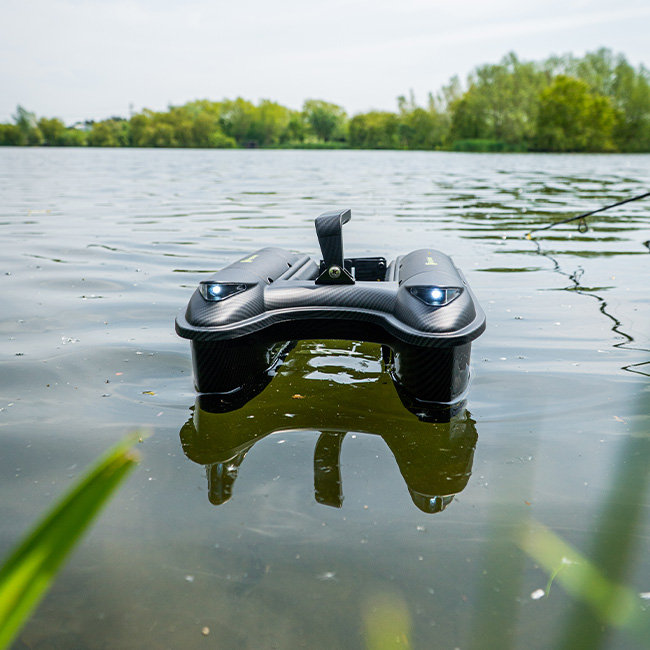
Bait boats have become one of the most effective tools in a carp angler’s arsenal, but choosing the right one can feel overwhelming with so many options on the market.
From compact, budget-friendly models to fully loaded GPS and sonar systems costing well over a thousand pounds, there is a lot to consider before parting with your money.
This guide breaks down exactly what to look for when choosing a bait boat, covering size, range, battery life, bait capacity, features, and price, so you can match the right boat to the way you actually fish.
If you would like to see our top picks, head over to our guide to the best bait boats where we have reviewed and tested the leading models.
Size and Portability
The physical size and overall portability of a bait boat are key factors to consider before making a purchase. Getting this wrong can cause serious frustration on the bank.
This could involve you struggling to carry your boat through tight swims, finding it underpowered for big waters or indeed overpowered in smaller waters.
Factors like dealing with choppy water on large reservoirs or tight turning circles on intimate waters all need to be considered.
| Venue Size | Recommended Boat Size | Example Use Case |
|---|---|---|
| Small or Intimate Venues | Compact Boat | Stalking close margins, tight swims, short runs |
| Medium-sized Lakes | Mid-sized Boat | All-round use for typical day-ticket waters |
| Large Waters / Reservoirs | Larger, Heavy-duty Boat | Long-distance baiting, heavy payloads |
Compact Bait Boats:
Designed for easy transportation and quick deployment. Ideal if you fish day sessions, roam between pegs, or need to stay mobile.Medium-sized Boats:
The most versatile size for the majority of UK carping. They can handle moderate bait payloads, maintain a strong range, and usually have good battery life without being overly bulky.Large Bait Boats:
Built for power and capacity, larger boats often boast twin hoppers, GPS systems, and serious battery endurance. However, they are heavier to carry, take up more space, and can be harder to manoeuvre, particularly in tight swims or snaggy areas.
| Boat Size Category | Typical Length | Typical Width | Typical Weight |
|---|---|---|---|
| Compact Bait Boat | 50-60 cm | 30-40 cm | 4-6 kg |
| Mid-sized Bait Boat | 60-75 cm | 40-50 cm | 5-7.5 kg |
| Large, Heavy-duty Bait Boat | 75-90 cm | 50-60 cm | 7.5-10 kg+ |
Range and Signal Strength
The range of a bait boat refers to how far it can travel from your remote control while maintaining a reliable signal.
This is a critical factor, especially if you fish larger waters where the best spots are often hundreds of metres from the bank.
However, range is not just about distance. Signal stability and reliability are just as important for safe, effective use.
How Range Affects Your Fishing
Choosing a bait boat with the right range ensures you can:
- Reach distant hotspots that are inaccessible by casting
- Bait accurately without spooking fish
- Avoid risking boat recovery problems due to signal loss
| Venue Size | Recommended Minimum Range | Ideal Bait Boat Type |
|---|---|---|
| Small Lakes | 100-150 metres | Compact or Mid-sized |
| Medium-sized Lakes | 150-250 metres | Mid-sized Boat |
| Large Waters / Reservoirs | 250-500 metres | Large, Heavy-duty Boat |
eTackle Insight: Many modern mid-range and premium bait boats now offer ranges between 300-500 metres under ideal conditions.
What Affects Signal Strength?
Although manufacturers often quote maximum ranges, real-world conditions can reduce effective distance. Factors that commonly affect signal include:
- Obstructions: Trees, bushes, buildings, and even steep banks can weaken radio signals.
- Weather: Heavy rain or electrical storms can interfere with signal quality.
- Other Anglers’ Electronics: Busy lakes with multiple boats and sonar devices can create signal congestion.
- Line of Sight: Always ensure a clear, unobstructed line between yourself and the boat wherever possible.
Top Tip: When fishing a new venue, always run a range test early in your session. Do not assume you will get the full quoted range across every swim.
Signal Technology: What to Look For
Modern bait boats use advanced frequency technology to boost signal strength and reliability. Here is the sort of tech to expect from a good bait boat:
- 2.4GHz Frequency:
The most common for modern boats, offering excellent range and strong resistance to interference. - Fail-safe Systems:
Some boats feature automatic “Return to Home” functions if signal is lost, dramatically reducing the risk of losing your boat. - Upgraded Antennas:
Some high-end models offer boosted signal antennas for extra range and stability.

Battery Life and Charging Time
Battery life is one of the most important, yet often overlooked, factors when choosing a bait boat.
A powerful boat with a large hopper and long range is useless if the battery dies halfway through your session.
Making sure your bait boat can match the demands of your fishing style and session length is essential for trouble-free angling.
How Battery Life Impacts Your Fishing
Battery capacity is typically measured in milliamp-hours (mAh) and affects:
- How long the boat can operate per charge
- How far it can travel on each outing
- How many baiting trips you can perform during a session
Different boats and different fishing styles place very different demands on battery life.
Using heavy payloads, running sonar or GPS functions, or making long-distance runs all drain batteries faster.
eTackle Insight: A general rule: the bigger the session and the heavier the boat’s use, the bigger the battery you will need.
| Session Length | Recommended Minimum Battery Size | Advice |
|---|---|---|
| Short Sessions (4-6 hours) | 5,000-8,000 mAh | 1 battery usually sufficient |
| Day Sessions (6-12 hours) | 8,000-12,000 mAh | Carry a spare if using GPS or sonar heavily |
| 24hr+ Sessions | 12,000 mAh+ | Spare batteries essential |
Charging Times
Charging speed varies massively between bait boat models and charger types:
- Standard Chargers: 6-10 hours for a full charge
- Fast Chargers: 2-4 hours for a full charge
Using fast chargers can dramatically improve turnaround time, especially on longer sessions when you might need to recharge mid-session.
Important: Always use the correct charger for your boat’s battery type (Li-Ion, Li-Po, or Lead Acid) to avoid damaging the battery or reducing lifespan.
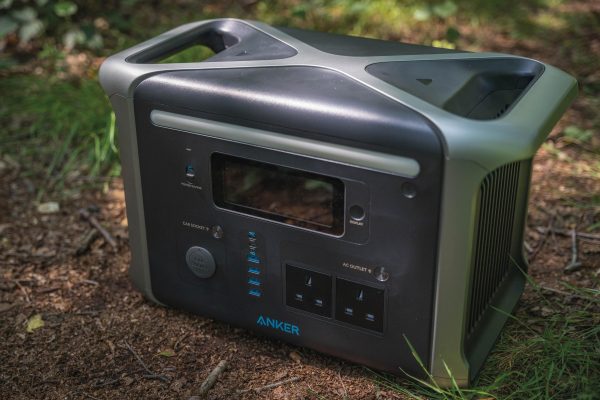
eTackle Insight: For longer sessions, investing in a small power bank or 12v leisure battery to recharge your bait boat batteries bankside can be a session-saver, particularly abroad or on wild venues with no mains access.
Bait Capacity
When considering a bait boat, it is easy to get caught up in features like GPS and sonar and overlook one of the most important basics: how much bait the boat can actually carry.
Bait capacity impacts how efficiently you can bait up, how often you need to send the boat out, and ultimately, how much strain you put on the boat’s battery life.
Choosing the right capacity for your fishing style can make a huge difference to your results and your session efficiency.
Why Bait Capacity Matters
Every time you send the bait boat out and back, you use valuable battery life. If your boat cannot carry enough bait for your intended spot, you will have to make multiple trips, unnecessarily draining the battery and risking spooking fish.
A boat with a larger hopper means:
- Fewer trips to bait a spot
- More efficient use of your battery
- Less disturbance over the fish
- Greater flexibility for heavy pre-baiting or boilie work
However, bigger is not always better. If you mainly fish smaller, intimate venues where minimal bait is key, a smaller, nimbler boat can actually be an advantage.
| Boat Size Category | Typical Bait Capacity | Best Suited For |
|---|---|---|
| Compact Bait Boats | 0.5-1 kg | Stalking, light baiting, small venues |
| Mid-sized Bait Boats | 1-2 kg | General carp fishing, moderate baiting |
| Large, Heavy-duty Bait Boats | 2-5 kg | Heavy baiting, large lakes, pre-baiting campaigns |
Single vs Dual Hopper Designs
Some larger bait boats offer dual hoppers, allowing you to split different types of bait, deliver rigs separately from freebies, or bait two spots on the same trip.
Dual hopper systems can massively boost efficiency, but they often add extra weight, so factor this into your thinking if portability is a concern.
Top Tip: Bigger hoppers are not just for bait. They make placing rigs safer and easier too, giving you better drop control when positioning in tight spots.
Features and Technology
Modern bait boats are no longer just remote-controlled bait carriers. Many now come packed with technology that can transform your angling experience.
However, not every feature is necessary for every angler, and understanding what you actually need can save you serious money.
| Feature | What It Does | Benefit |
|---|---|---|
| GPS Navigation | Save and return to exact baiting spots automatically. | Precision baiting, perfect for poor visibility or at night. |
| Sonar / Fish Finder | Provides underwater mapping and shows fish locations. | Find the best features and fish-holding areas easily. |
| Return-to-Home | Automatically returns the boat if signal is lost or battery gets low. | Prevents losing your boat on big waters or in bad weather. |
| Night Lights | LED lights that make the boat visible after dark. | Track boat movement and orientation at night. |
| Dual Hopper Systems | Two separate bait hoppers operated independently. | Bait two spots per trip or separate rigs from free offerings. |
GPS Navigation
GPS-enabled bait boats allow you to save specific waypoints and send the boat back to exact spots automatically.
This is invaluable for placing rigs with pinpoint accuracy, even in poor visibility or after dark. Some models also offer route planning and multiple saved spots per session, saving time and maximising efficiency.
Sonar and Fish Finder Compatibility
Sonar-equipped bait boats can scan the lakebed as they travel, showing underwater contours, depth changes, weed beds, and fish positions in real time.
Linking a fish finder to your bait boat helps eliminate guesswork, making it far easier to find productive areas without disturbing the water too much with traditional plumbing rods.
Return-to-Home Function
This safety feature automatically brings your bait boat back to your starting point if the signal drops or the battery voltage falls below a critical level.
Return-to-home systems offer peace of mind, particularly when fishing at long range, in poor weather, or on very busy waters where interference risks are higher.
Night Lights
LED navigation lights fitted at the front and rear of the boat improve visibility during early morning, dusk, or full night sessions.
They not only help you keep track of the boat’s location and orientation but also make night baiting and rig placement far safer and more accurate.
Dual Hopper Systems
Some bait boats are designed with two independently operated hoppers.
This allows you to bait two separate spots on the same trip or drop your rig separately from free offerings, maintaining accuracy and reducing disturbance. Dual hopper systems are particularly useful when targeting multiple fish-holding areas close together.

Price and Value for Money
Bait boats vary hugely in price, from a few hundred pounds for basic models to several thousand pounds for fully loaded, high-tech machines.
However, spending more does not automatically guarantee better results.
Choosing a bait boat that offers good value for your specific fishing style is far more important than simply chasing premium price tags.
| Price Range | What to Expect |
|---|---|
| Under £300 | Basic compact boats with compass or manual control. No GPS or sonar. Good for beginners and tight swims. |
| £300-£600 | Compact or basic mid-sized boats, reliable for short to medium-range fishing, limited tech features. |
| £600-£1,200 | Higher build quality, longer range, better battery life, optional GPS or sonar compatibility. |
| £1,200+ | Top-end boats with full GPS autopilot systems, sonar integration, dual hoppers, extreme range and premium build materials. |
The sweet spot for most UK carp anglers is the £600-£1,200 bracket. This is where you get meaningful technology upgrades without paying a premium for features you may never use. However, if you are just starting out with bait boats, there are excellent options under £300 that punch well above their weight.
To see how specific models compare across these price points, check out our full guide to the best bait boats where we have reviewed and scored our top picks.
Frequently Asked Questions
It depends on the waters you fish. Compact boats (50-60 cm) are ideal for small venues and mobile anglers. Mid-sized boats (60-75 cm) suit most UK day-ticket waters. Large boats (75-90 cm) are built for big pits, reservoirs, and heavy baiting campaigns. Match the boat to the venue, not the price tag.
Yes, if you fish the same waters regularly or fish at distance. GPS lets you save exact waypoints and return to them session after session with 1-2 metre accuracy. For anglers who roam different venues or fish close-in, manual control with a compass may be all you need.
They are essentially the same technology. Both send sound waves into the water and read the returns to map depth, features, and fish. “Echo sounder” is the traditional term, while “sonar” is more commonly used with newer boats that include 3D mapping and app integration. The key difference is in the display and data processing, not the underlying technology.
Always use the correct charger for your battery type. Never leave lithium batteries fully discharged for extended periods. Store them at around 50-60% charge if not using for weeks. Avoid charging immediately after a session while the batteries are still warm. Most modern lithium packs have built-in BMS (battery management systems) that handle cell balancing, but following these basics will maximise lifespan.
Many bait boats are “echo sounder compatible” or “sonar ready”, meaning they have mounting points and wiring provisions for adding a sonar unit later. Brands like Toslon, Deeper, and Bluesounder offer bolt-on sonar systems for compatible boats. Check your specific model before buying a sonar unit, as not all boats support retrofitting.
Return-to-home is a safety feature that automatically drives the bait boat back to its launch point if it loses signal with the remote control or if battery voltage drops below a safe level. The boat records its starting position and navigates back using GPS. It is essential on large waters, in foggy conditions, or when fishing at extreme range.
Final Thoughts
Choosing the right bait boat comes down to matching the features and performance to the way you fish. Size, range, battery life, bait capacity, and technology all play a big part in getting the most from your setup.
Take the time to think about the waters you fish, how much bait you typically use, and how much tech you actually need. The most expensive boat is not always the best choice, and some of the most effective anglers on the bank get outstanding results from mid-range or even budget models.
For our full recommendations, head over to our guide to the best bait boats where we have reviewed and scored the top models currently available.
Thanks for reading.
Tight lines!