

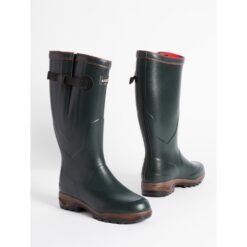
Fishing Boots & Wellies
Fishing boots and wellies for muddy banks, wet grass and cold nights, from lightweight EVA wellies to neoprene, fleece-lined and all-terrain boots. Each pair shows the lowest in-stock price from reputable online tackle shops.
Read more Read less
Each listing also shows how many reputable online tackle shops have the boots in stock.
Explore related categories:
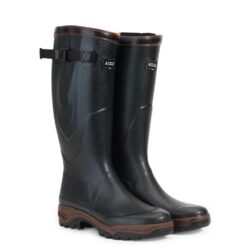
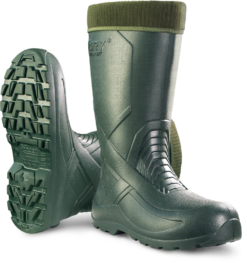
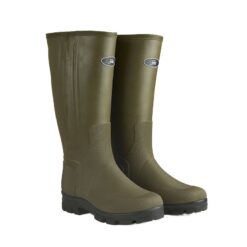
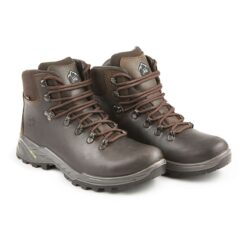
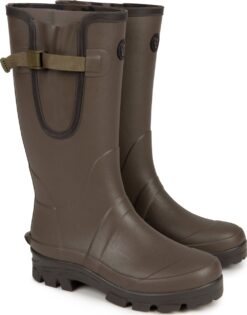
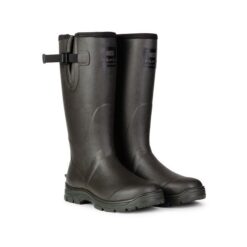
Fox Neoprene Lined Camo/Khaki Rubber Boot
Price Compared
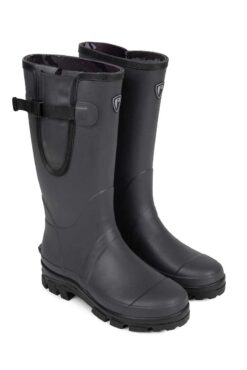
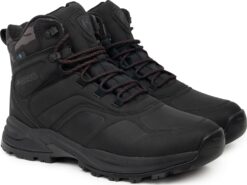
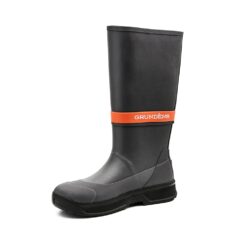
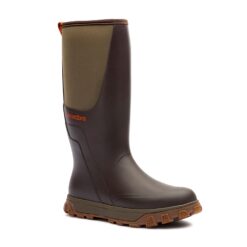
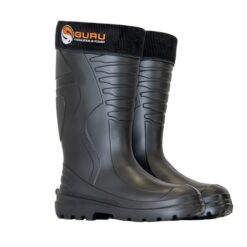
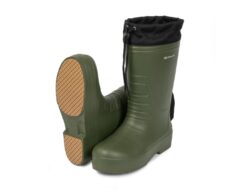
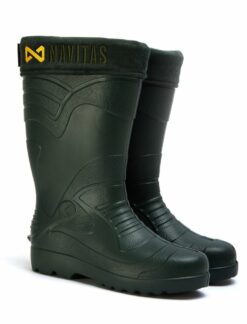
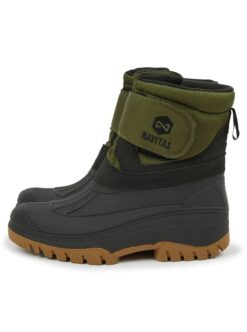
Navitas NVTS Lite Insulated Wellie Boot
Price Compared
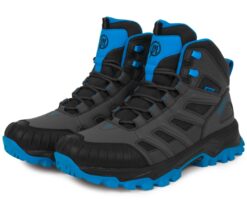
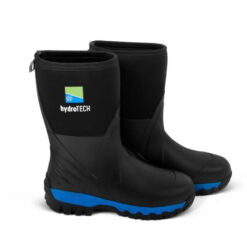
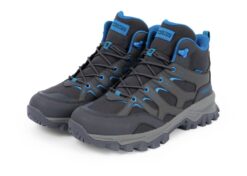
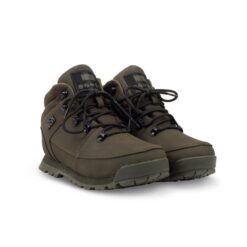
Preston Innovations Treddex All Terrain Boots
Price Compared
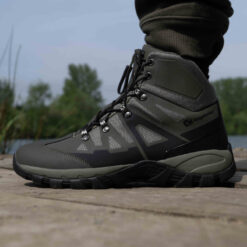
Ridgemonkey APEarel QuickZip All-Weather Boots
Price Compared
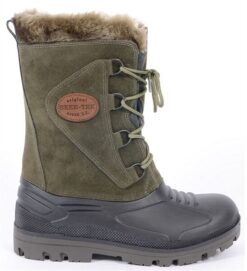
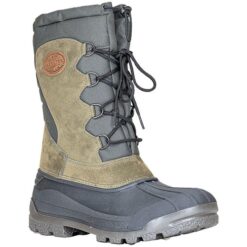
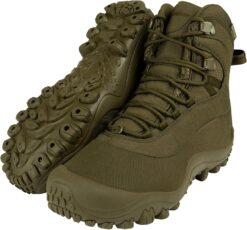
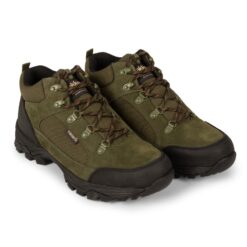
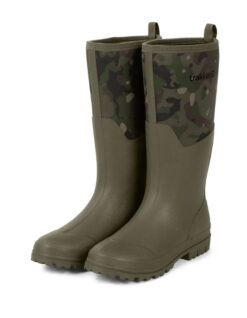
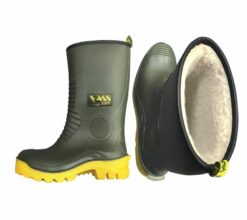
No products match those filters.
Wellies, Neoprene Boots and Walking Boots
Wellies pull on quickly and are fully waterproof to the calf, which makes them the usual choice for muddy banks and wet grass. EVA wellies are moulded from lightweight foam that insulates and floats, rubber wellies are tough and easy to hose clean, and neoprene wellies add a warm, flexible upper.
Laced walking and all-terrain boots give more ankle support for long walks along rivers and coastal paths, and fleece or Sherpa-lined boots are made for comfort around the bivvy.
Warmth and Linings
Neoprene linings of 3mm to 5mm, fleece, Sherpa and Thinsulate keep feet warm on winter sessions, and some EVA wellies have removable thermal liners that can be dried overnight. Temperature ratings, where given, show how far below freezing a boot is designed for, and thick socks add more warmth.
Waterproofing
Moulded EVA and rubber wellies are waterproof to the top of the boot, while laced boots rely on a waterproof membrane and gusseted tongue. Some boots are waterproof only in the lower clog section, with a water-resistant upper that adds warmth and lets the foot breathe.
Sizing and Fit
Fishing boots and wellies are sold in UK sizes, usually 7 to 12, with EU equivalents on the size chart. Some EVA boots come in dual sizes such as 7-8, and thick winter socks or a liner can take up some room.
Adjustable calf gussets and straps help wellies close around trousers and salopettes.
Soles and Grip
Deep-cleated and anti-clog soles grip mud and steep banks without packing up with dirt, while flatter studded or ridged soles suit hard paths, rocks and boat decks. Kick-off lugs and heel tabs make boots easier to remove at the end of a session.
Carp, Match, Predator, Sea and River Fishing
Carp anglers on long sessions often pair insulated wellies with a lighter boot for around the bivvy. Match and coarse anglers walking to pegs choose lightweight EVA wellies, predator anglers covering ground on foot favour waterproof walking boots, and sea anglers want studded soles for rocks and jetties.
For wading in rivers, wading boots worn with stockingfoot waders are the better choice, and our best wading boots guide compares the options.
Care
Rinse mud and salt off boots and wellies with fresh water, and dry them away from direct heat, which can crack rubber and EVA. Removable liners dry faster out of the boot, ready for the next session.
Frequently Asked Questions
Are wellies or boots better for fishing?
Wellies are quicker to pull on and fully waterproof to the calf, which suits muddy banks. Laced boots give more ankle support for long walks along rivers and coastal paths.
What keeps feet warmest on winter sessions?
Neoprene-lined, fleece-lined and Thinsulate boots hold in the most warmth, and thick socks add more. Removable liners can be dried overnight on longer sessions.
What are EVA wellies?
They are wellies moulded from lightweight foam that insulates and floats, making them lighter and warmer than plain rubber wellies.
Can fishing wellies be used for wading?
They suit shallow margins, but deeper wading needs chest or waist waders, and stockingfoot waders need wading boots.
Do fishing boots come in half sizes?
Most come in whole UK sizes from 7 to 12, and some EVA boots are sold in dual sizes such as 7-8. Thick winter socks can take up some room.