

Deadbaiting for Pike: Rigs, Baits and Tactics
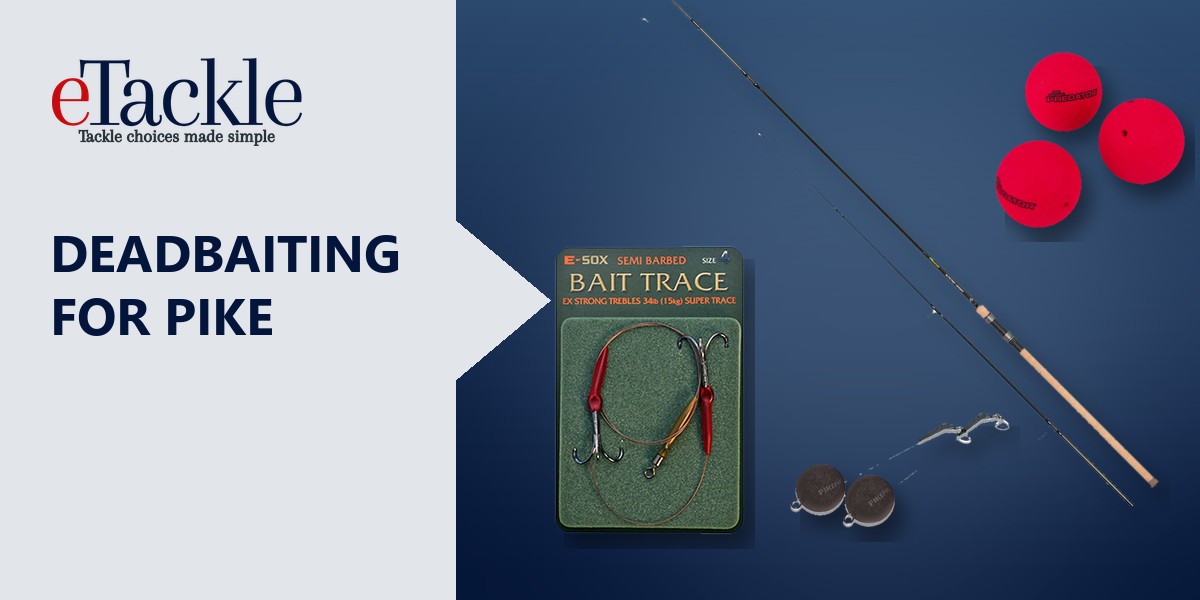
When the water turns cold, a smelly deadbait on the bottom is one of the most reliable ways to catch a big pike. The Canal & River Trust goes as far as saying large pike are nearly always caught on dead bait. It's simple to set up, but the details matter, both for catching and for the fish.
This guide covers everything: when deadbaiting works, which sea and coarse baits to use and how to prepare them, the tackle and rigs, where to put your baits, a session step by step, the mistakes to avoid, unhooking, and the rules, all to the Pike Anglers' Club safety standards.
Let's get straight into it.
What Is Deadbaiting, and Why Does It Work?
Deadbaiting means fishing a dead fish for pike, usually lying still on the bottom, sometimes popped up off it or drifted under a float. Pike are scavengers as well as hunters, and a dead fish gives off scent, oil and blood that a pike can home in on even when it can't see the bait.
That's why deadbaiting shines in cold or coloured water. When pike are sluggish and won't chase a moving lure, a static bait that smells right often gets picked up. Lures cover more water and come into their own when pike are active, and livebaiting is banned in Scotland and Ireland, and some venues ban it too. This guide covers deadbaits only.
It's nothing new, either. The Canal & River Trust traces it back to 1496 and the first English fishing book, reputedly written by Dame Juliana Berners.
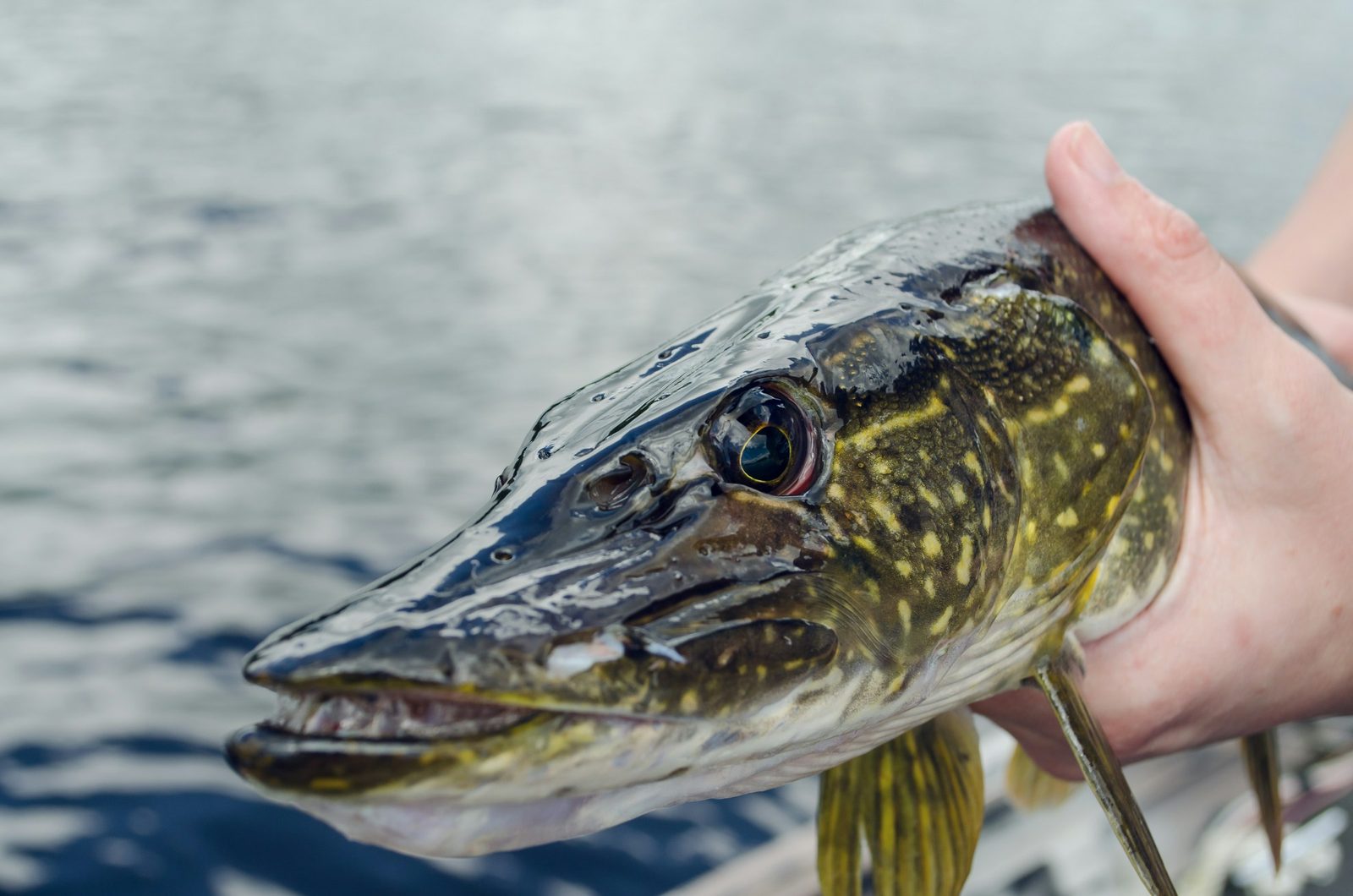
Who Are the Pike Anglers' Club?
The Pike Anglers' Club was formed in 1977 as the Pike Anglers' Club of Great Britain, at a time when pike were still persecuted on many waters. It calls itself the largest single-species group in the UK and the only organisation dedicated to pike throughout the UK.
Its aim is a world in which pike are valued, both as a sporting fish and as a necessary part of how fresh waters work. It runs through regional associations led by volunteers, publishes a quarterly magazine, Pikelines, holds an annual convention, runs its own fishery on the Lancaster Canal, and works with the Environment Agency, the Canal & River Trust and the Angling Trust. Membership is open to anyone, from beginners to experts, with junior, family and concession rates.
Most importantly for this guide, the PAC publishes a Recommended Code of Conduct (updated September 2024). It's the PAC's welfare standard, and the minimums in this guide come from it.
| Item | PAC code minimum |
|---|---|
| Mainline | At least 18lb mono or 65lb (0.41mm) braid |
| Wire trace | At least 30lb and at least 18in long; an uptrace is good practice when bait fishing |
| Trebles | Semi-barbless or barbs crushed, sizes 4 to 6 |
| Lead | Running, preferably on a weak link |
| Bite indication | Proper bite indication: a drop-off indicator, a bite alarm or a float. Never freeline |
| Landing net | Large and knotless: a 42in triangle, or an oval of about 85 x 70cm |
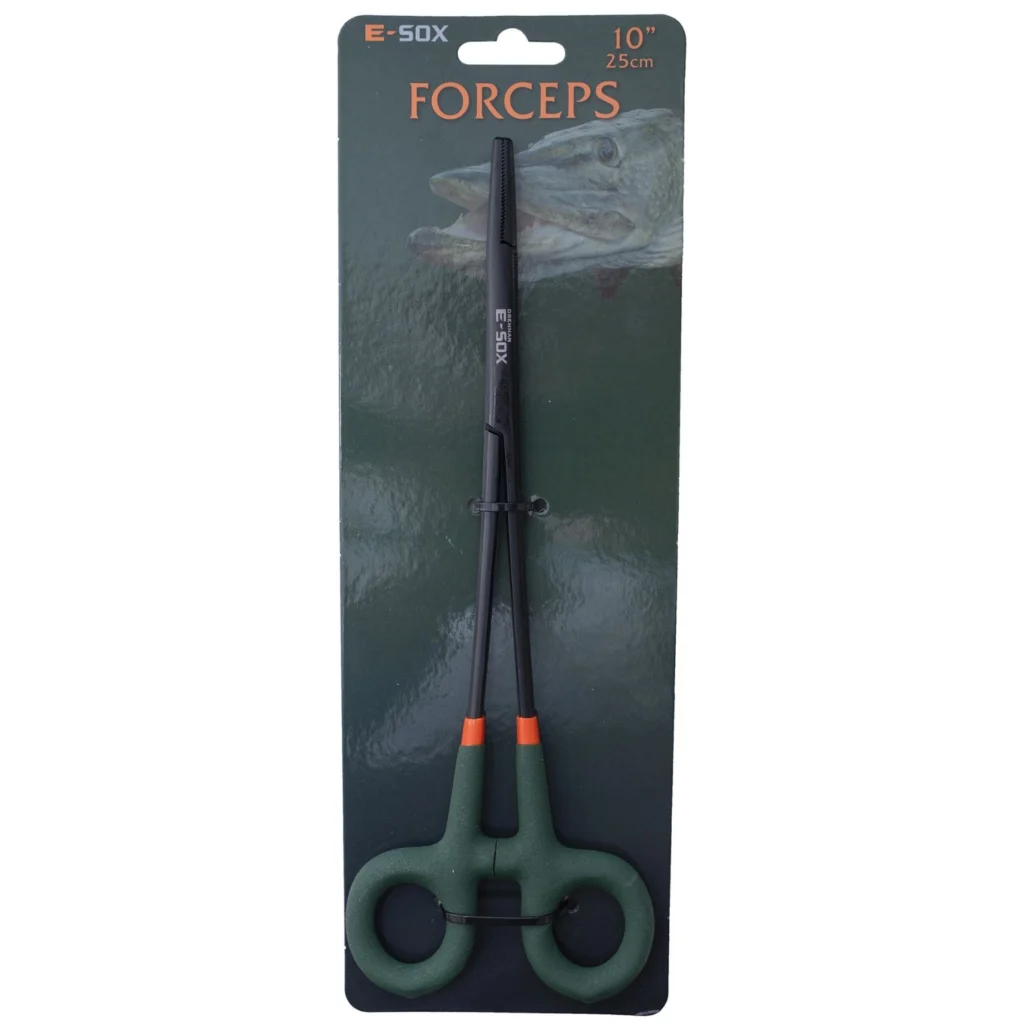
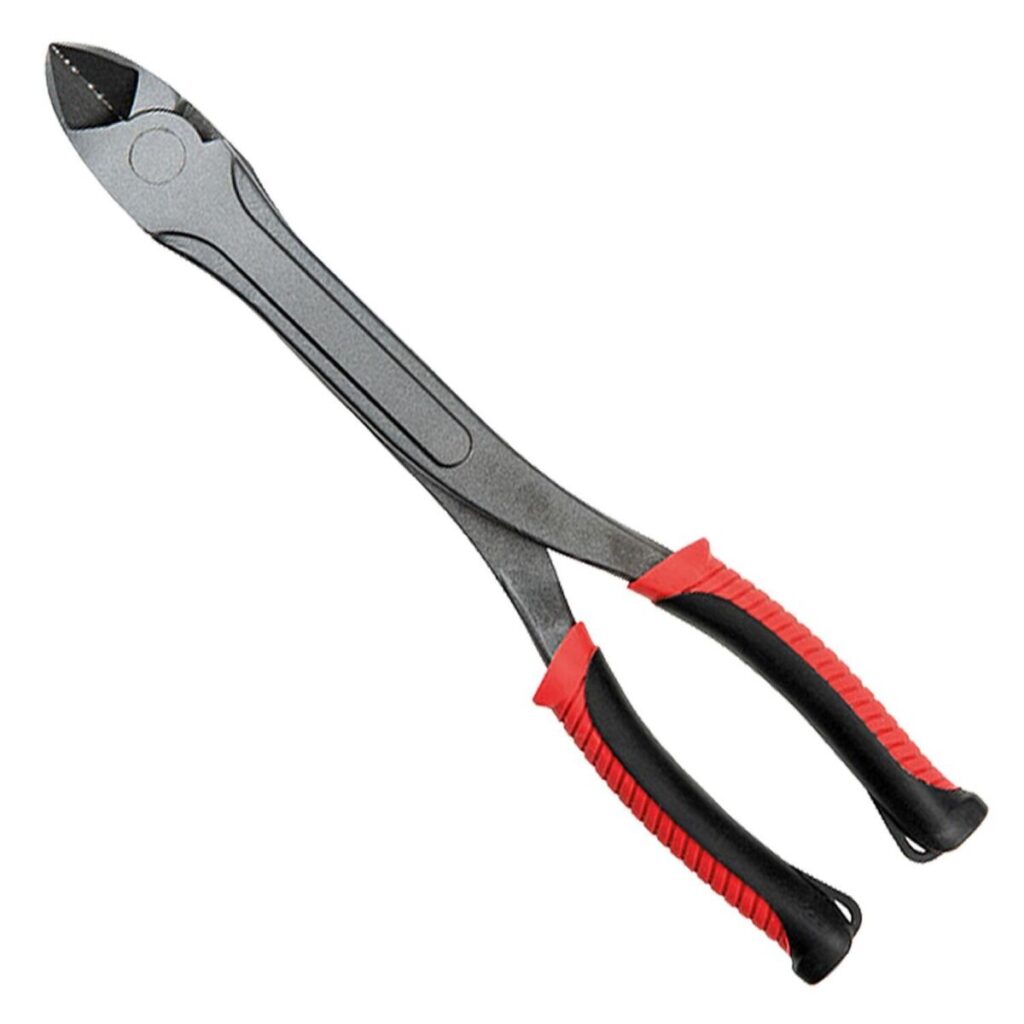
| Unhooking | A large mat or cradle, forceps or long-nose pliers of at least 10in, and long-reach wire cutters |
| Water temperature | Don't fish for pike at or above 18°C |
When to Go Deadbaiting
The season
Deadbaiting is a cold-water method. Many pike anglers keep to a traditional season of 1 October to 14 March, and October to March is when deadbaits are at their best. On rivers, streams and drains in England and Wales, the coarse close season (15 March to 15 June) applies to pike too. Most stillwaters and canals are open all year, but pike spawn between March and May, so plenty of anglers leave them alone in spring anyway.
Water temperature
- 18°C or above: don't fish for pike. That's the PAC code, because pike suffer and can die when caught in water that warm.
- Warm spells: the PAC warns that dawn isn't automatically safe, because dissolved oxygen can be at its lowest then. Never fish during or just after an algae bloom, and avoid bait fishing in warm water, because pike swallow baits faster.
- Cold water: Angling Times describes fish feeding moderately at 6 to 7°C, intermittently at 4 to 5°C, becoming dormant at 2 to 3°C, and virtually inert at 1 to 2°C. Pike still feed now and then in the coldest water, which is when a static deadbait comes into its own.
The Angling Trust recommends carrying a thermometer. It costs very little, and it settles the question.
Time of day and water conditions
Dawn and dusk are prime times, especially on bright days, and Angling Times notes that low, clear rivers fish poorly in bright light. On rivers, a rise in level is often a good time to be there. Full flood usually stops sport, so wait for the flow to drop and the colour to start clearing; pike can be hungry after a long flood. In coloured water, oily sea baits with added oil and colour help pike find the bait.
The Best Deadbaits for Pike
There isn't one best deadbait. Pike take both sea and coarse baits, and the best anglers carry a selection and switch until something works. Some venues ban one type or the other, so check the rules first.
Sea deadbaits
Sea baits are easy to buy, frozen from tackle shops or fresh from supermarkets and fishmongers, and the oily ones leak a scent trail that pike can follow.
| Bait | What it's like | Use it for | Tips |
|---|---|---|---|
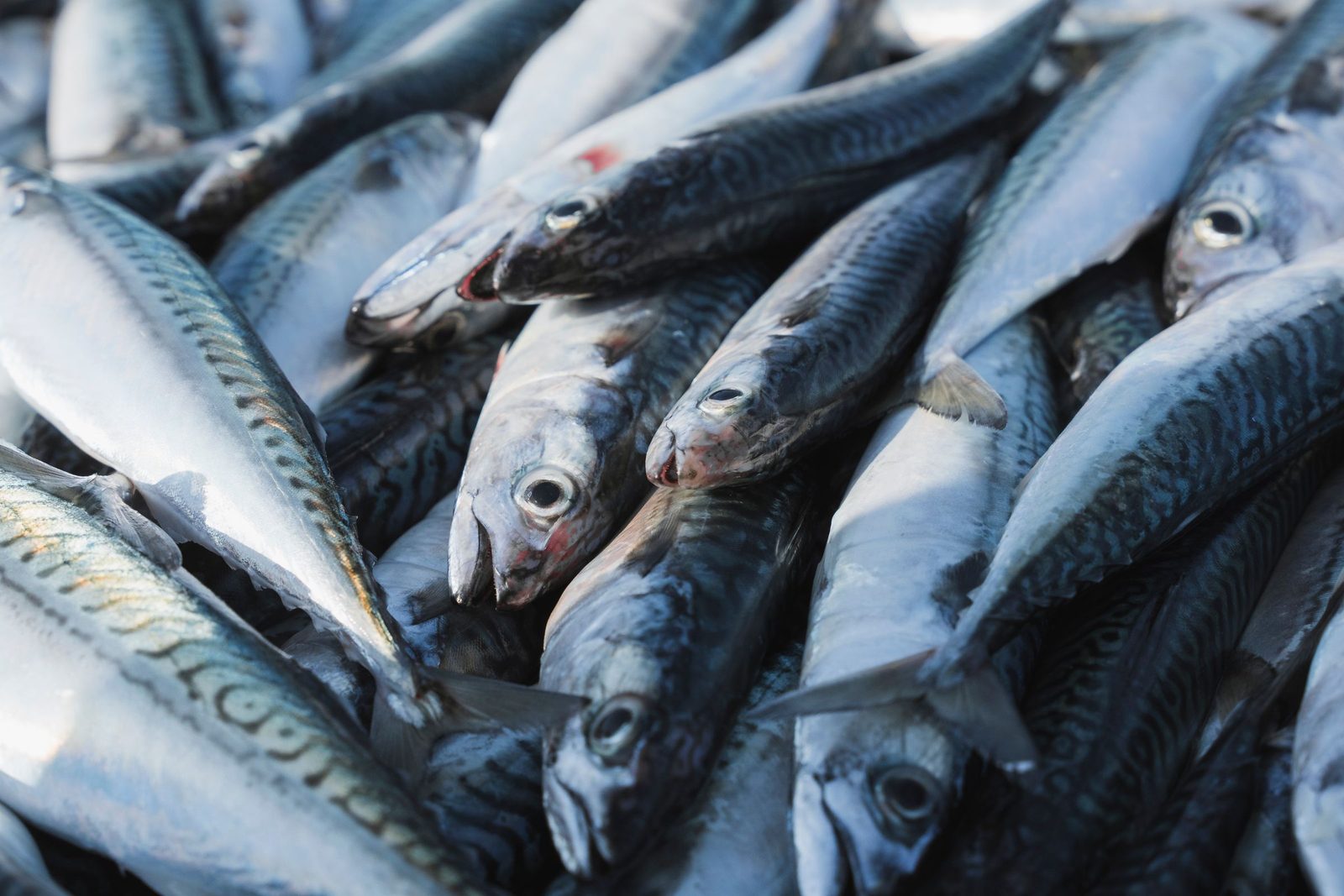
| Mackerel | Tough skin, very oily | Long casts and long waits; the classic all-rounder | Use small whole "joeys" or halves of bigger fish. A diagonal cut lets out more oil. |
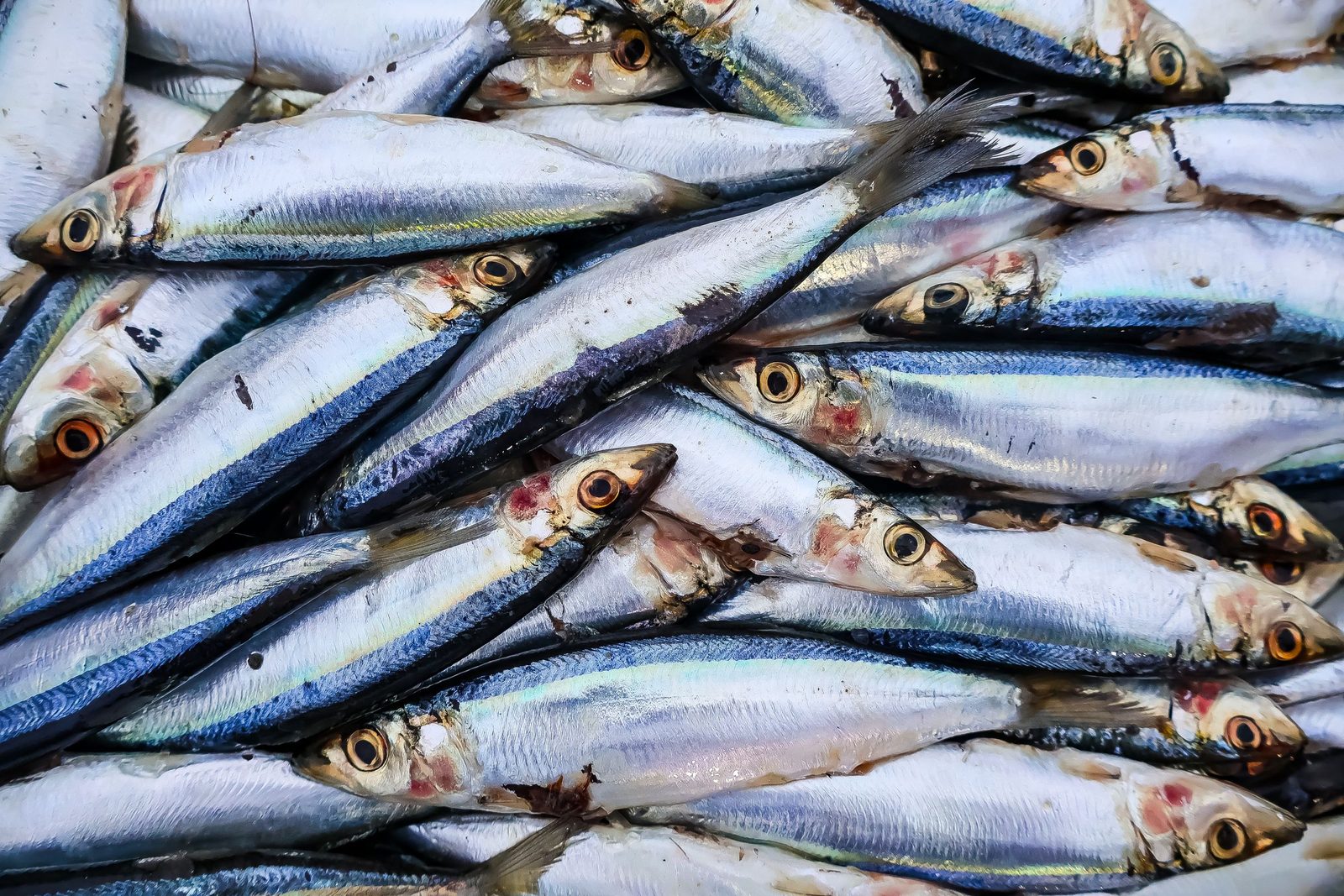
| Sardine | Very soft, very oily, sheds scales | Shorter casts and smaller waters | Cast it frozen, and add bait elastic for anything beyond about 30 yards. Eels can shred it. |
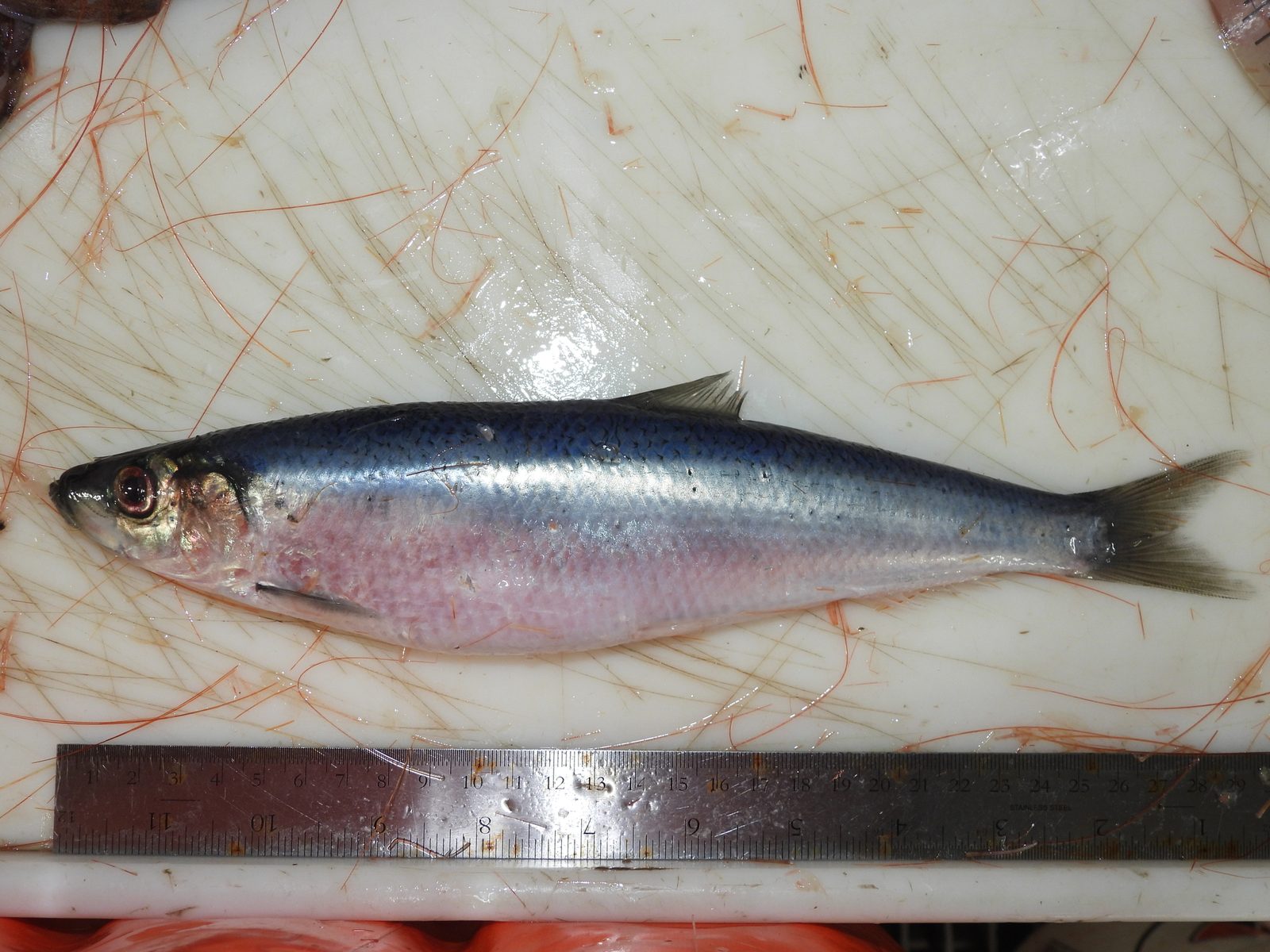
| Herring | Oily, softer than mackerel, flat-sided | Over light weed and silt; takes colour well | Small ones whole, big ones halved. Hard to cast far when thawed. |
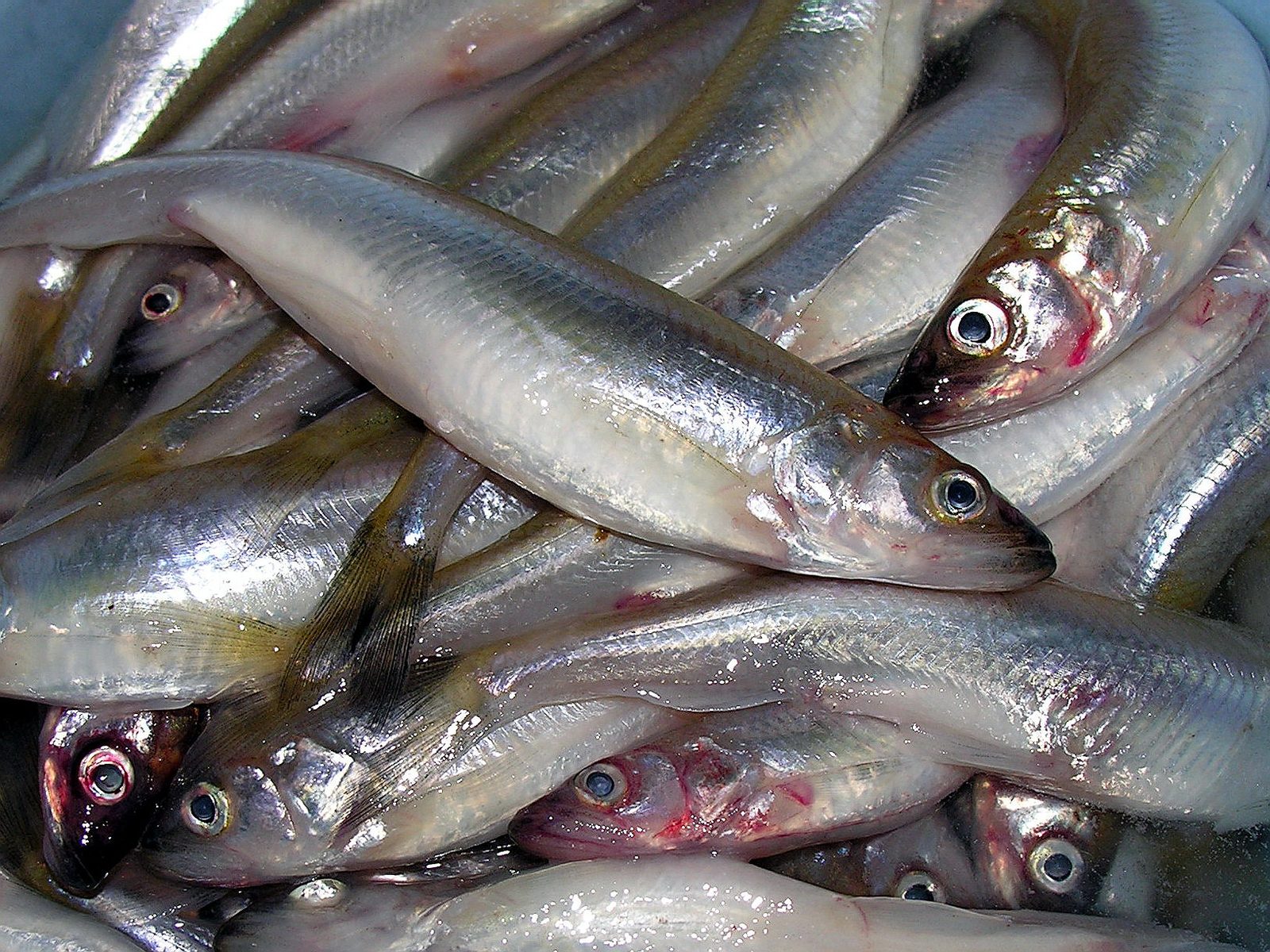
| Smelt | Slim and supple, smells of cucumber | Tough days, when nothing else is working | Takes dyes and flavours well, and can be air-injected to pop up. |
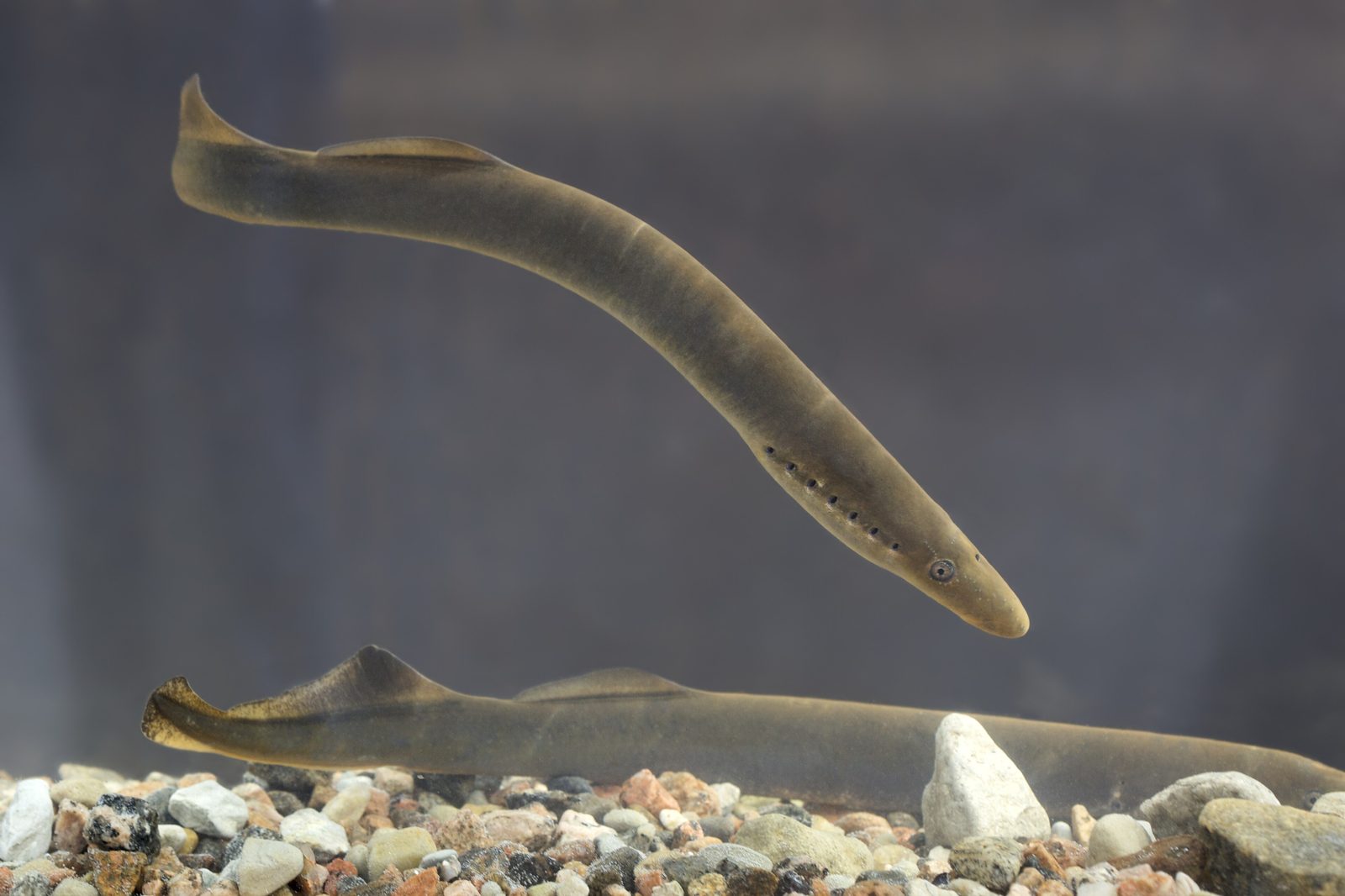
| Lamprey | Blood-filled, very tough skin | Rivers with lamprey runs; long casts | Fish it in sections and prick the skin to let the blood out. |
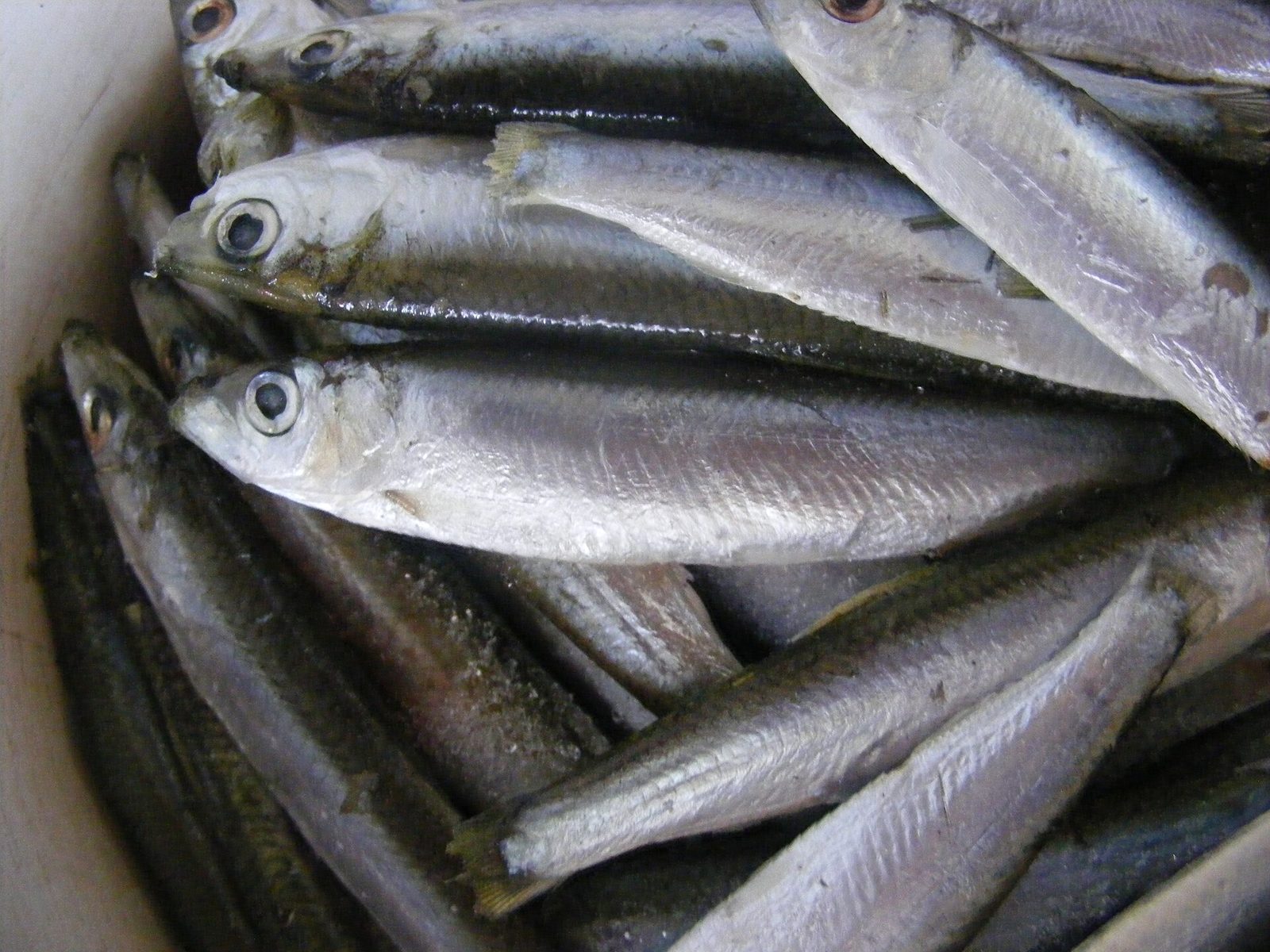
| Sprat | Small, soft and cheap | Short range on busy waters; a change bait | Not for big casts or long waits. |
| Bluey (Pacific saury) | Long, thin and very oily | Pressured venues, cast a long way | Fish it whole, halved or in strips. |
| Sandeel (launce) | Long, thin and silver | Long casts in clear water | Take the head off so a pike can pick it up more easily. |
| Squid | Tough, white flesh | A visible change bait that survives repeat casts | Recast it again and again; it stays on the hooks. |
Pollan, a freshwater whitefish sold frozen as pike bait, is worth a mention too. It's naturally buoyant and tough, and casts a long way. Don't slash it, or it'll sink.
Coarse deadbaits
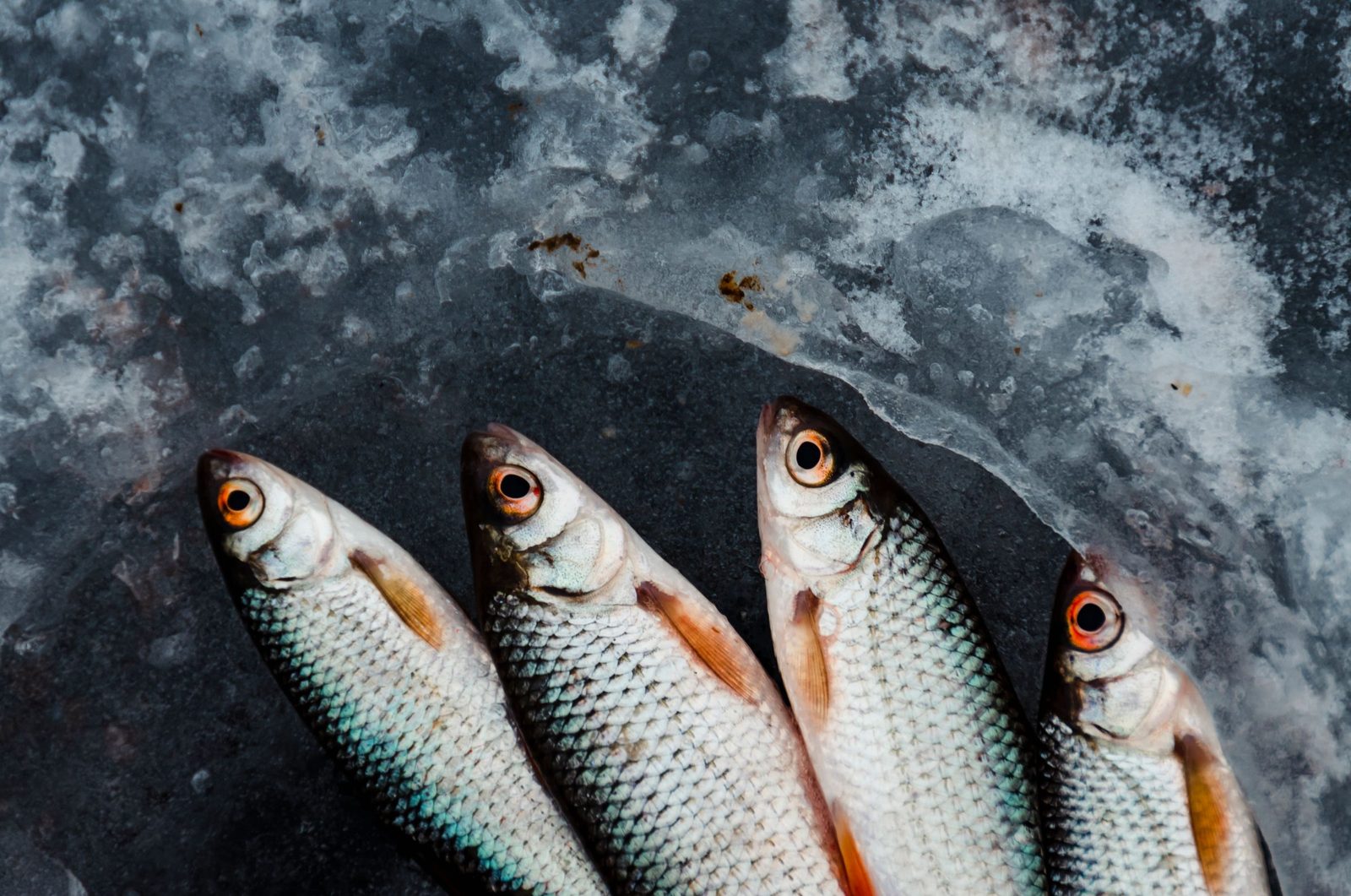
Coarse baits are what pike eat in most UK waters, so they look and smell natural. Buy them frozen from a tackle shop or bait supplier. If you catch your own, the law in England and Wales says you can only use them as bait on the same water you caught them from, and river take limits apply (see the rules section below).
| Bait | What it's like | Use it for | Tips |
|---|---|---|---|
| Roach | Tough, slim and natural | Almost anywhere: a natural food for UK pike | Puncture the swim bladder so it sinks, or pop bigger ones up with a popper or balsa. |
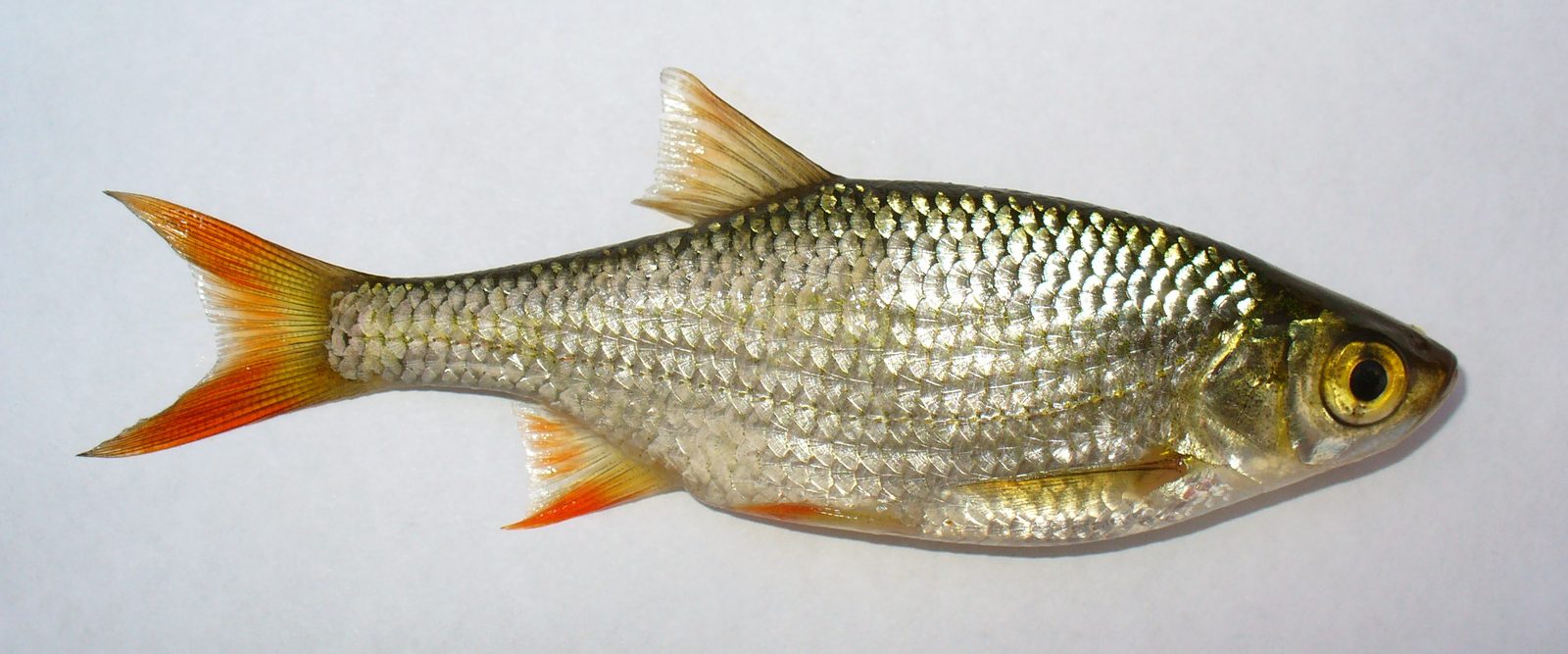
| Rudd | Like roach, with bright fins | Waters with a rudd head | Fish it like a roach. |
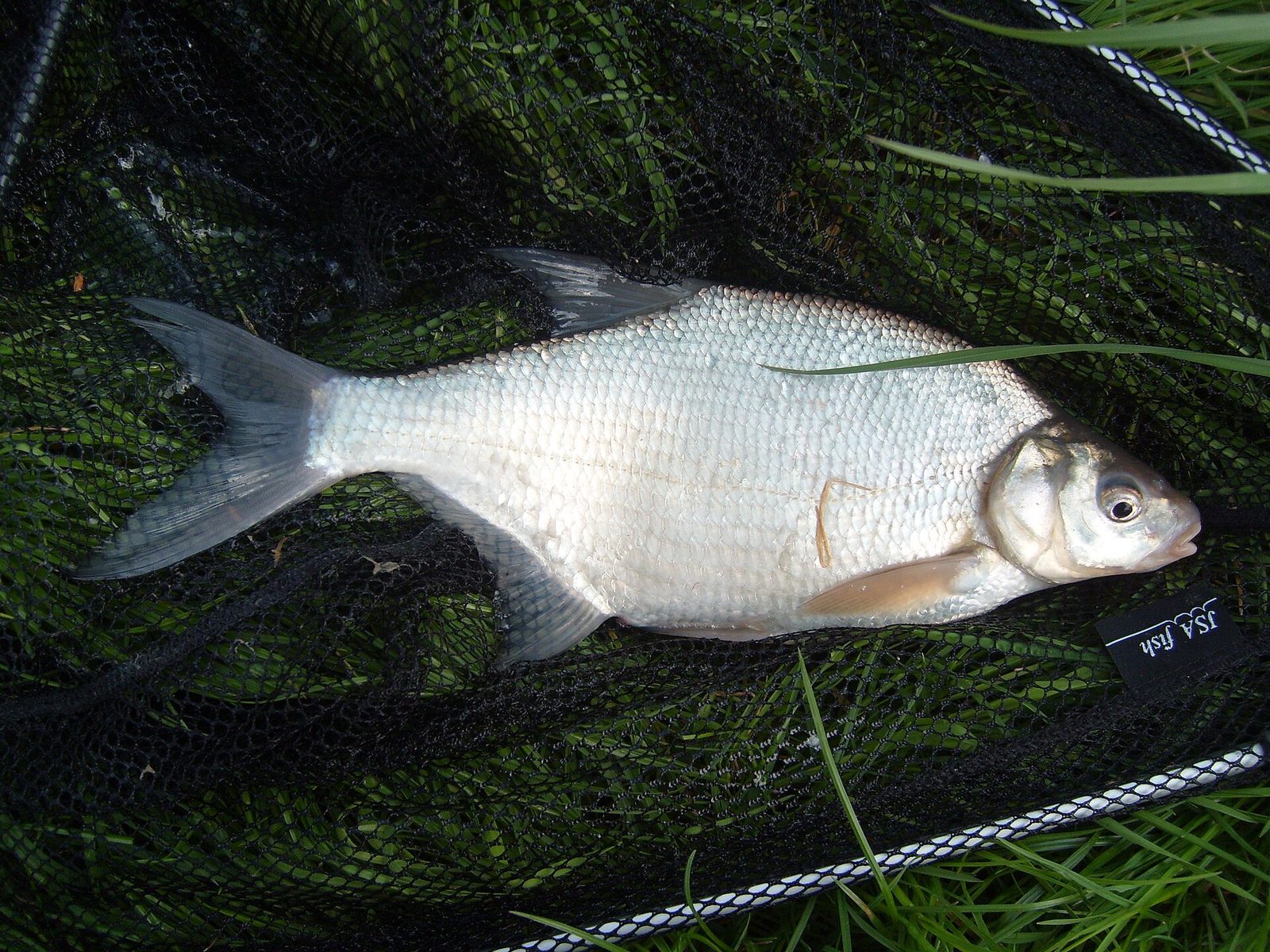
| Skimmer bream | Deep-bodied and bony | Waters full of bream shoals | Pick small ones that pike can take easily. |
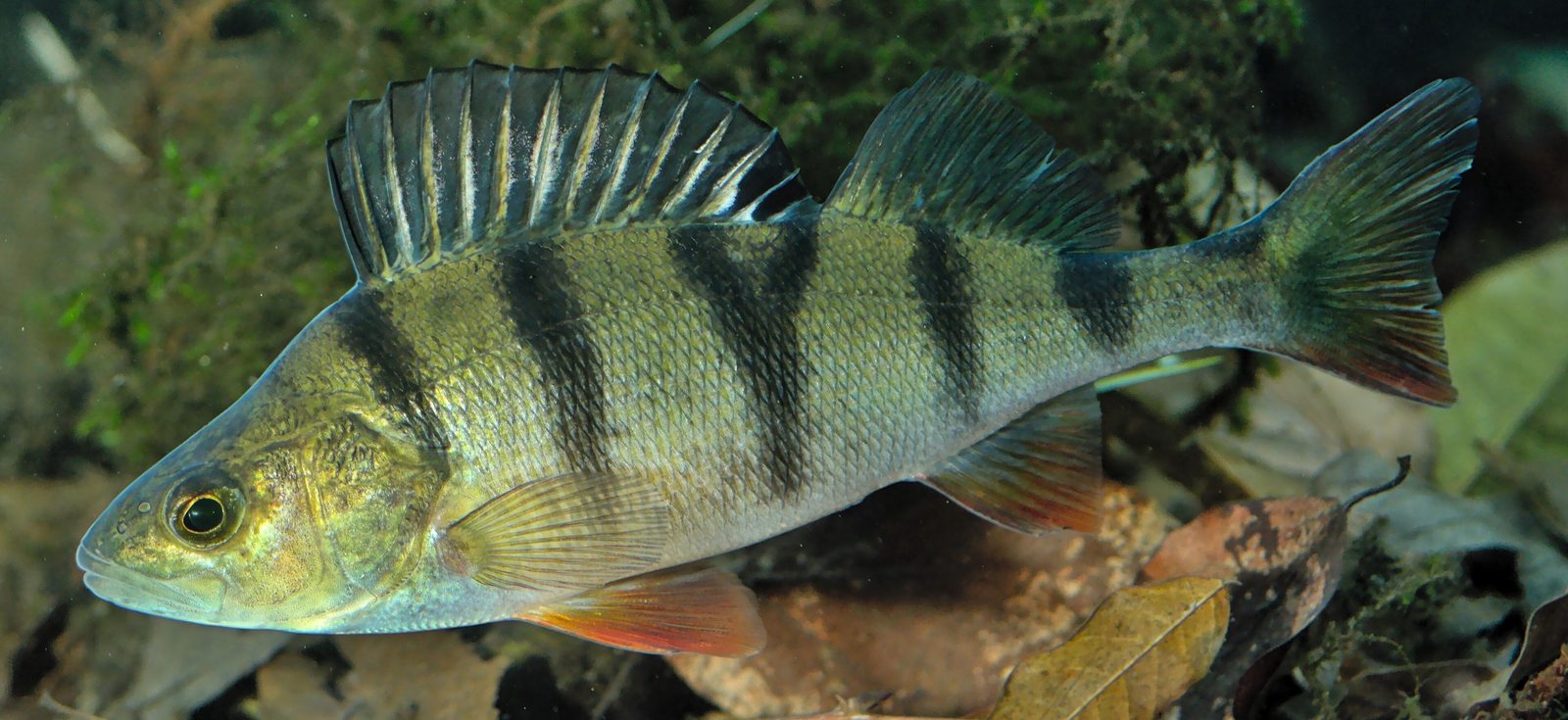
| Perch | Deep body, bold stripes, tough | A visible bait with flash | Harder to come by than roach. Check the venue rules. |
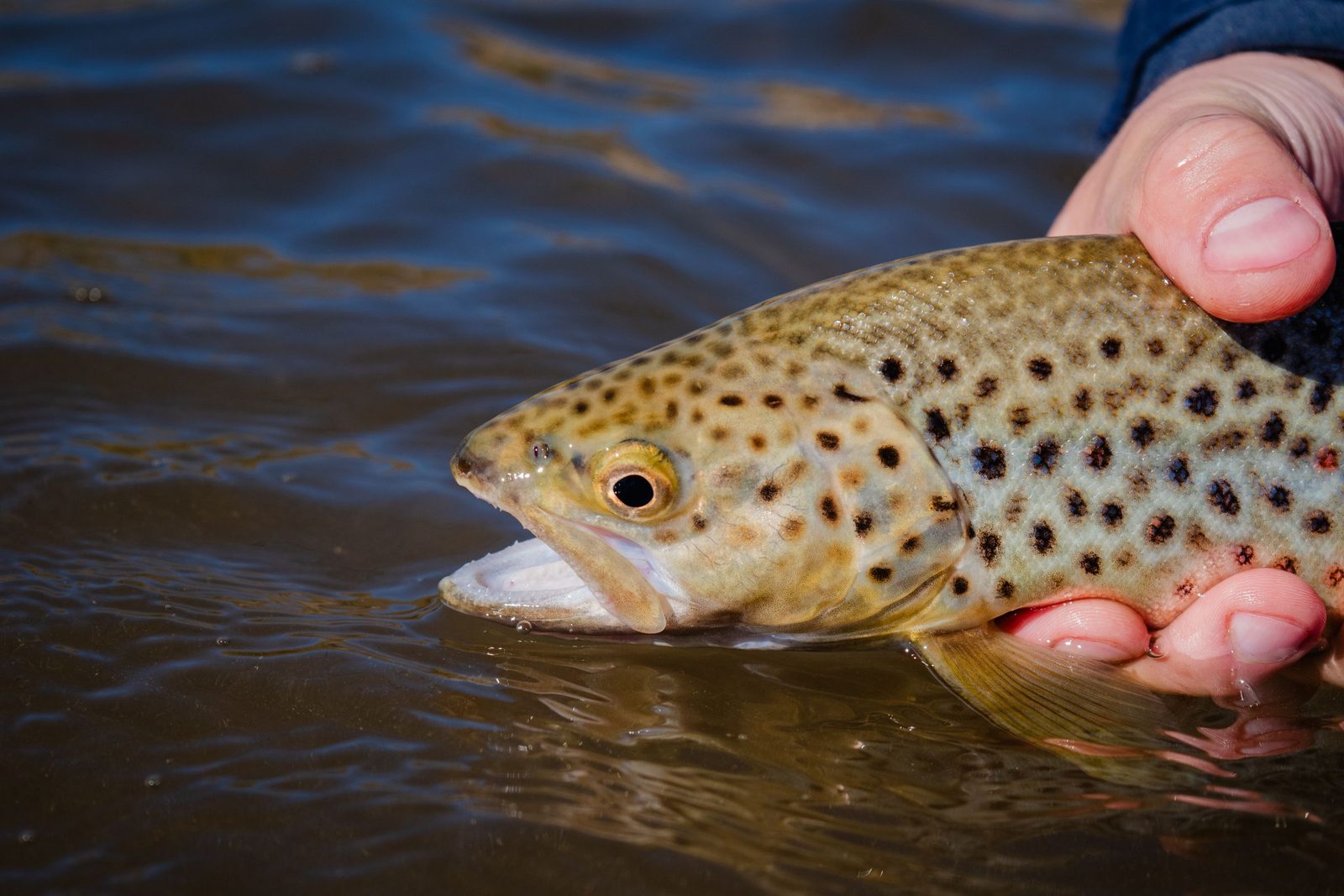
| Trout | Firm, tough and buoyant | Trout-stocked pits and rivers where it is allowed | It lasts all day on the hooks and sits up off the bottom. |
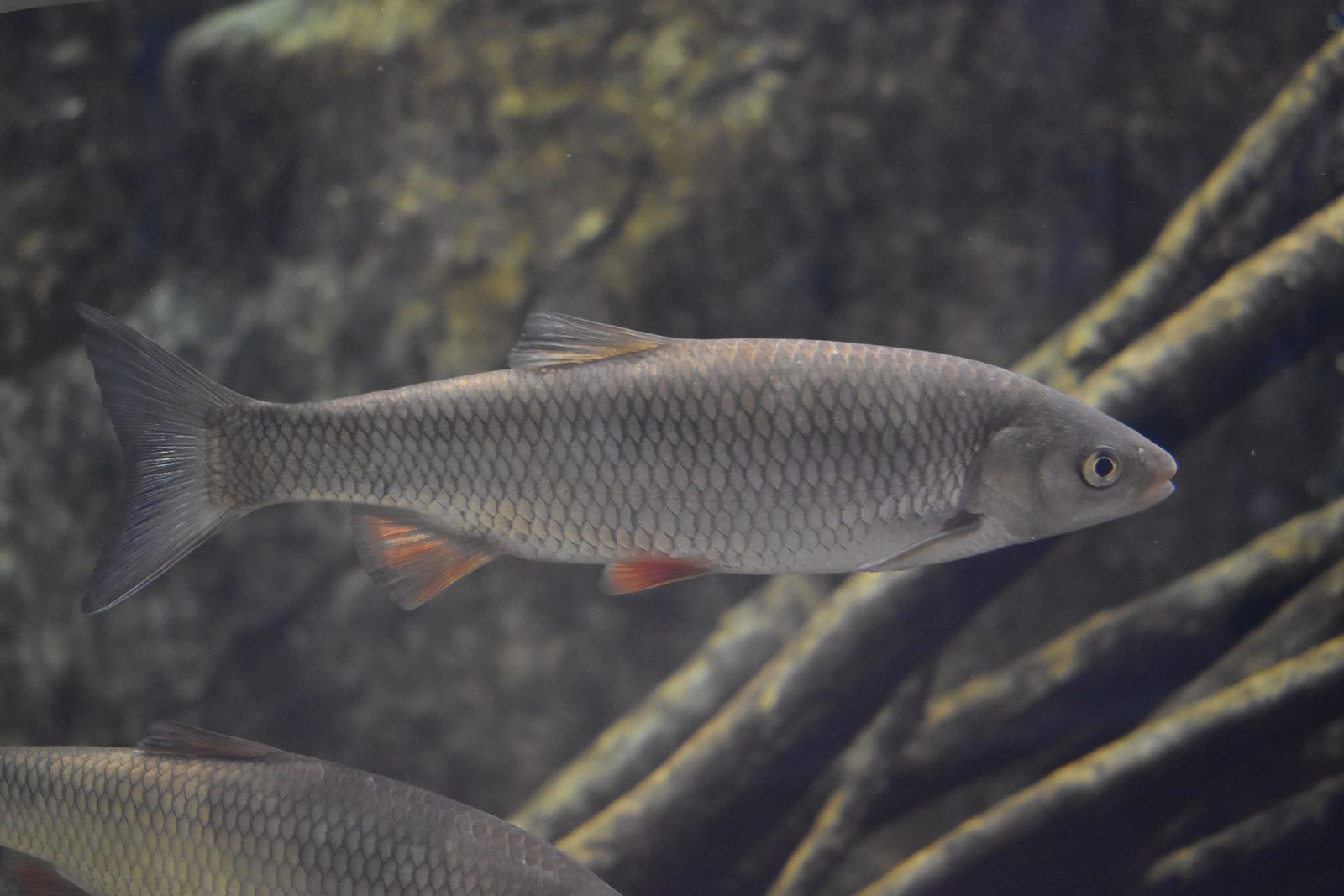
| Dace, chub and gudgeon | Small, natural river fish | Rivers where pike feed on them | Small ones only, bought frozen or caught on the same water. |
What about eels?
Some pike anglers still use eel sections, bought from licensed suppliers, but we'd leave them out. Any eel you catch on rod and line in England must be returned alive, the European eel is listed as critically endangered, and the Canal & River Trust says numbers had fallen by more than 90% by 2008. The National Anguilla Club has asked predator anglers not to use eel as bait.
Bait size
Smaller baits are easier for a pike to pick up and turn, so you get fewer dropped runs. Most deadbaits are roughly 10 to 20cm long, and a big mackerel or bluey is usually better halved. Match the trebles to the bait: on the Drennan E-SOX Bait Trace, the size 4 suits baits of 16 to 20cm and the size 6 baits of 13 to 17cm.
Preparing Deadbaits
Thawed or frozen?
Tough baits such as mackerel, lamprey and roach are best thawed before casting, in a sandwich bag so they don't dry out. A frozen bait can float until it thaws, and a pike may drop a bait that feels hard. Soft baits are the exception: cast sardines frozen, or they'll fly off the hooks. Bait elastic wrapped round a thawed roach, smelt or sardine helps it survive the cast.
Whole or half?
Cutting a bait in half turns one bait into two, lets out more scent and makes it easier to cast. A diagonal cut exposes more flesh and oil. Tail sections of tough baits such as mackerel last longer on the hooks. There's no firm rule on which is better, so try both.
Letting the scent out
Make small cuts along each flank, pierce the body, or cut the head off. Prick a lamprey's skin to let the blood out, and puncture a roach's swim bladder so it sinks. Don't cut a bait you want to float, such as pollan or a popped-up roach, or it'll sink.
Injecting oils
Fish oils such as salmon, mackerel and herring oil add to the scent trail. Angling Times suggests injecting 5 to 10ml per bait into the flank, the body cavity and the head just before casting. In cold or coloured water, use a winterised oil, which stays runny in the cold.
Dyes
Coloured baits stand out, and red, yellow and orange are the colours that work best, according to Angling Times. Colour baits 24 hours before you use them, because freezing can dull the dye, or brush red food dye on just before casting. Herring and smelt take colour well. Oils and dyes are sold in tackle shops.
Popping up a deadbait
Over weed or soft silt, a bait lying on the bottom can disappear. Popping it up lifts it off the bottom, and the distance between the lead and the bait sets how high it sits. There are three ways to do it:
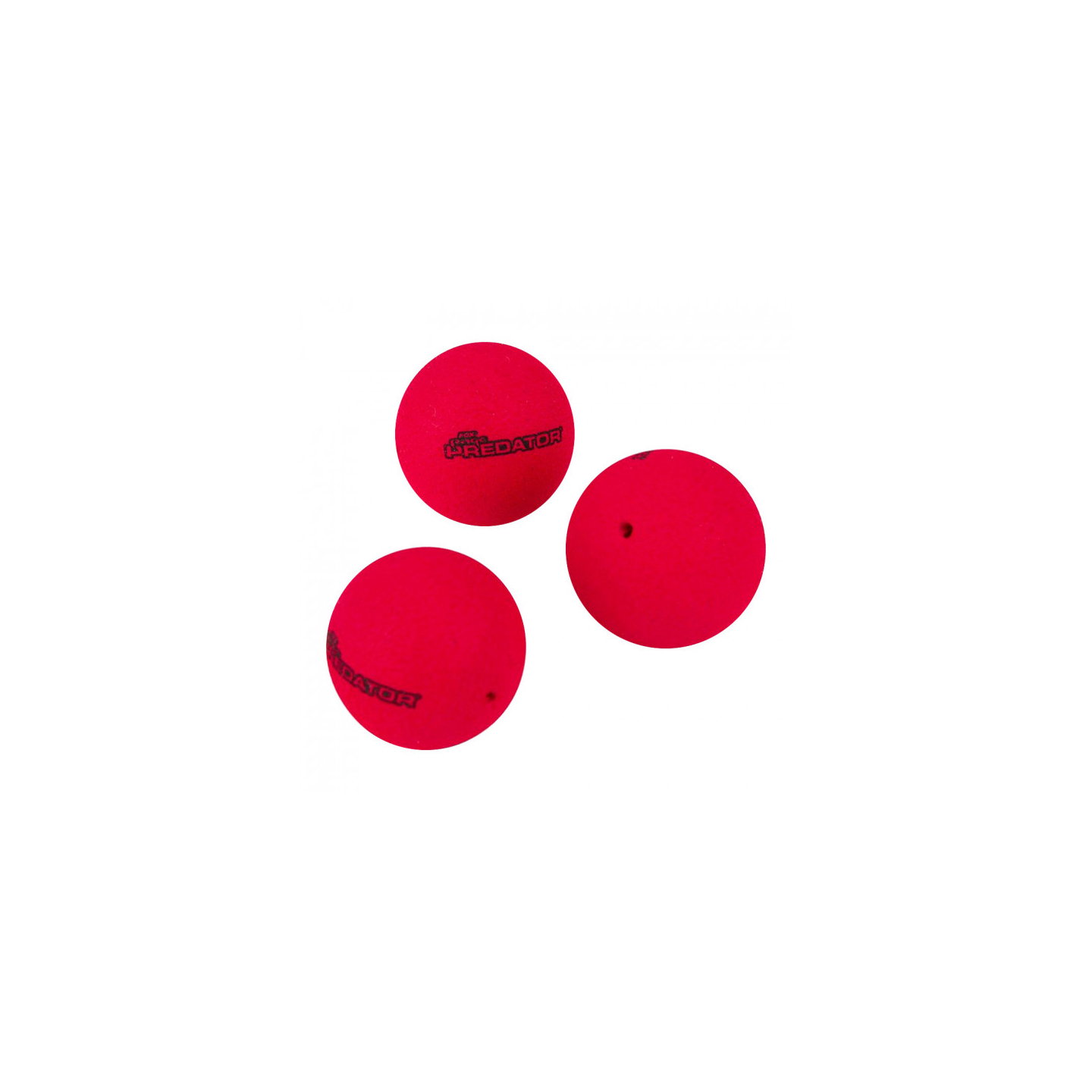
- Foam poppers or poly balls pushed into the bait's mouth or under the skin.
- Air injected into the bait, which suits smelt.
- Balsa or foam sticks pushed into the bait. Pike angler Mick Brown ties the stick to the trace with a short wire link, so a pike can't swallow the stick if the bait comes off.
The Fox Rage Predator Bait Poppers are buoyant red foam in Medium (about 18mm), Large (about 25mm) and XL (about 30mm).
Storing deadbaits
Keep baits frozen until you need them, and carry them in a cool bag so they stay firm. Freezing them flat and separately makes it easy to take out just what you need, and it's best not to refreeze a bait that has fully thawed. If you dye baits, do it before freezing. Old or broken baits needn't go to waste: chopped up and thrown into a swim as you leave, they act as prebait for next time.
The Tackle You Need for Deadbaiting
Pike have sharp teeth and plenty of weight behind them, so the minimum standards matter. The table above sets out the PAC code; here is the kit in more detail.
Rods and reels
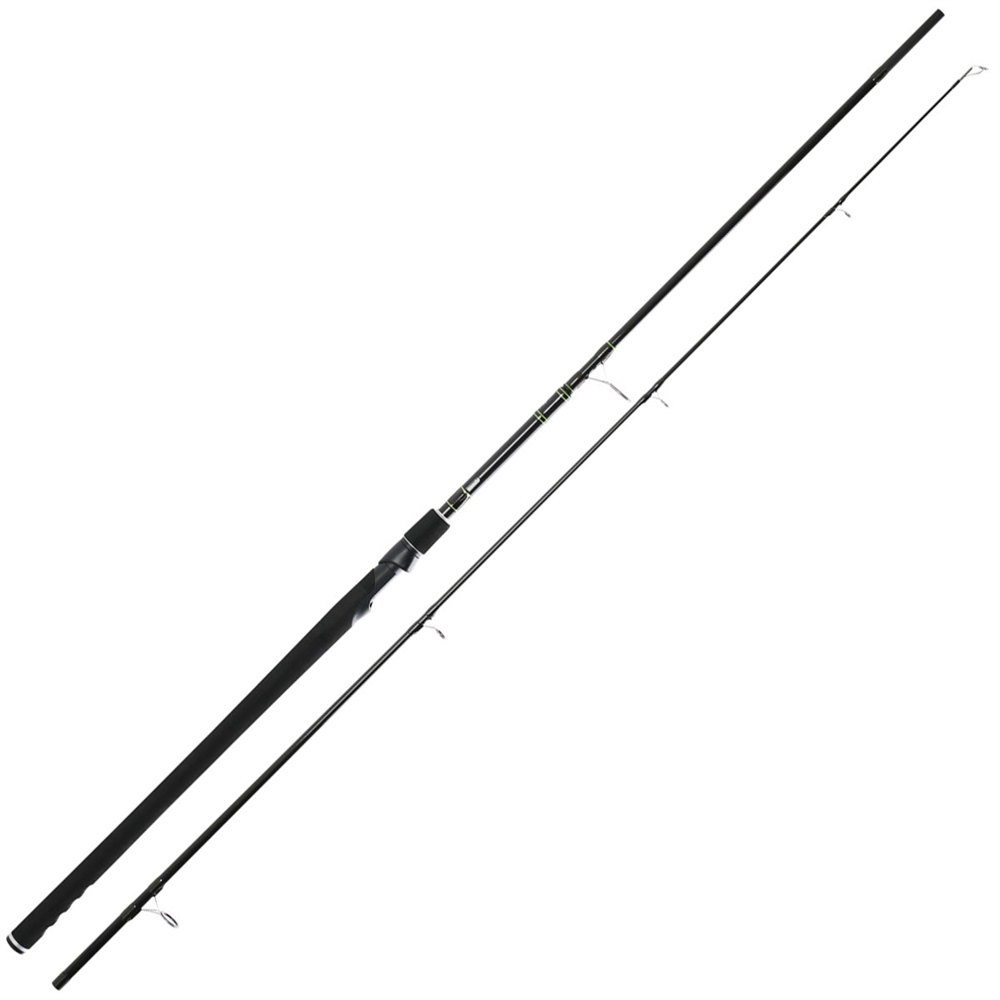
A 12ft rod of around 2.75lb test curve handles small to medium baits at short to medium range. For big waters, big baits and long casts, step up to 3lb or 3.25lb. On canals, drains and from boats, a 10ft rod is easier to use. See our best pike rods guide or browse all deadbait rods.


The reel needs a free-spool or baitrunner system, so a pike can take line without feeling resistance, and a spool that holds at least 100m of your mainline. A carp-style baitrunner is fine. Our best pike fishing reels and best baitrunner reels guides cover the options.
Line, traces and hooks
- Mainline: at least 18lb mono or 65lb braid. Braid has almost no stretch, so bites show clearly at range. See our best fishing braid guide.
- Wire trace: at least 30lb and 18in (about 45cm) long. PAC Fact Sheet 1 recommends a wire uptrace of at least 24in (60cm) above it, because a bait that tangles above the lead can lead to a bite-off.
- Hooks: semi-barbless trebles, or barbs crushed, in sizes 4 to 6. Avoid stainless steel hooks: they never rot out if one is left in a fish.
- Swivels and links: quality swivels with a stated breaking strain. Don't snap a lead straight onto a trace swivel.
- Leads: usually 1.5 to 3oz, running and on a weak link of lighter line (the PAC suggests 6 to 8lb nylon weakened with overhand knots), so a snagged lead breaks away and you don't leave a pike towing a rig.
For a ready-made trace, the Drennan E-SOX Bait Trace meets the PAC standards: 46cm of 34lb nylon-coated wire with semi-barbed Extra Strong trebles.

Bite indication
You need to see a run, or a pike swimming towards you with the bait (a drop-back), the moment it happens. That means a bite alarm plus a drop-off indicator, or a float. See our best bite alarms guide. Never freeline for pike: with no indication, you won't know a fish has the bait until it's too late.
Unhooking kit
Have it ready before you cast: a large knotless landing net, a large unhooking mat or cradle (see our best unhooking mats guide), long forceps or pliers of at least 10in, long-reach wire cutters, and a weigh sling (see our best weigh slings guide).
Deadbait Rigs for Pike
Running leger
The simplest rig, and the one to start with. Thread a run ring or leger stem onto the mainline, add a buffer bead, then the wire uptrace and the bait trace. The lead slides freely, so a pike can pick up the bait and move off without feeling the weight. In deep or windy water, or beyond about 50 yards, a straight leger is easier to manage than a float.
On weedy or silty venues, a leger stem holds the line clear of the bottom. The PikePro Mini Wire Leger Stem is 8cm of 100lb wire with an XL run ring that takes uptraces.

Popped-up deadbait
The same running leger, with a buoyant bait. Over weed or soft silt it keeps the bait in sight, and the length of trace between the lead and the bait sets how high it sits.
Float leger
A sliding pike float set a little deeper than the swim, with a lead holding the bait on the bottom. The float shows every bite, including drop-backs, and the PAC says it helps present baits safely in weedy or snaggy spots and over steep underwater shelves. Use a lead heavier than the float's buoyancy, so the bait stays put in chop and undertow. Add a rear drop-off indicator too, because a front alarm alone won't register a drop-back on a float rig.
A slim pencil float such as the Fox Rage Predator Deadbait Pencil lifts on the bite, and takes a starlight for night fishing.

Float paternoster
A paternoster holds the bait off the bottom on a float rig. The PAC fact sheet describes a through-the-middle sliding float with a stop knot and bead, a link swivel, and a "rotten bottom": a long lead link of weak mono, weakened further with overhand knots, so the lead breaks off if it snags. The lead should be heavier than the float's buoyancy.
Drifting
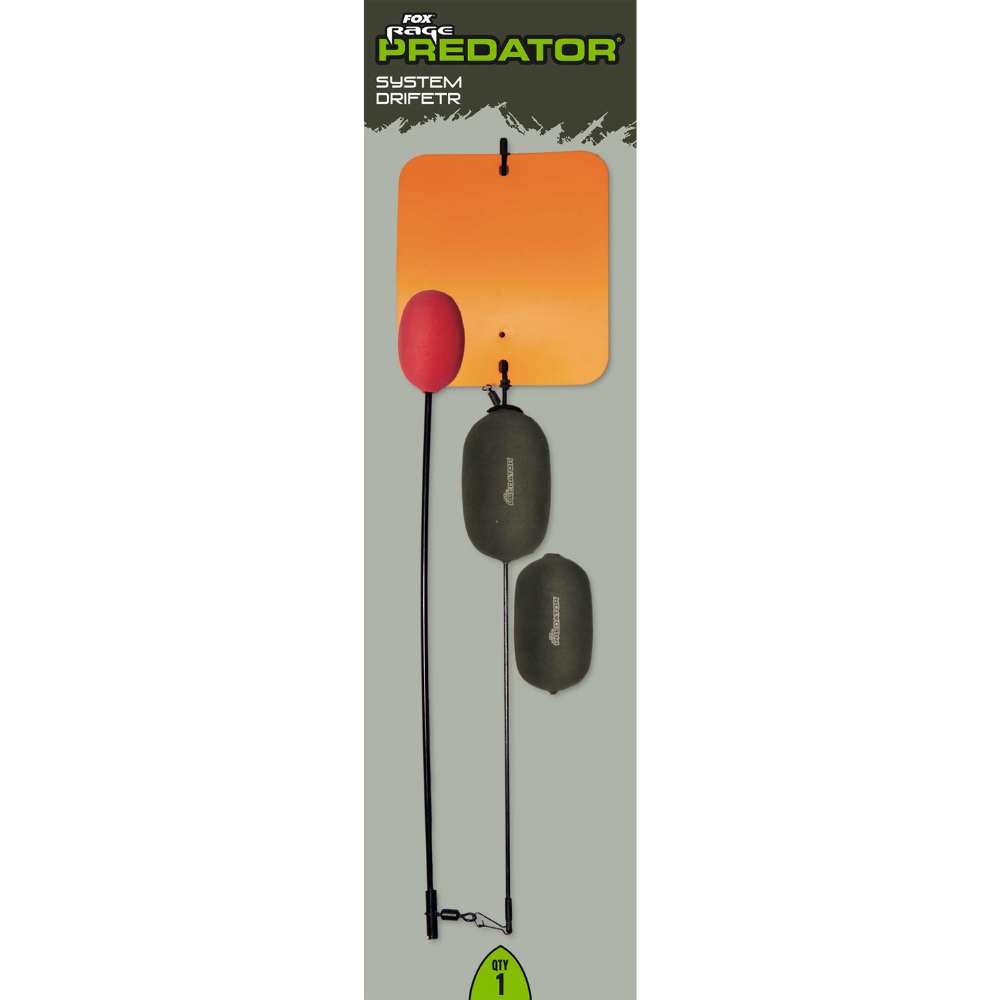
A vaned drifter float carries a bait downwind to water you can't cast to, and it works in winter when pike ignore lures. Angling Times suggests floating braid and a bait about 18in off the bottom. The Fox Rage Predator System Drifter has two interchangeable bodies and a buoyant control arm for presenting baits at range.
Trotting on rivers
On rivers, a deadbait can be trotted under a float, set shallow enough for the flow to carry it down the swim, so it covers far more water than a static bait.
Twitching and wobbling
A static bait doesn't have to stay static. Winding a couple of turns every few minutes moves it a little and can trigger a take; fish one rod still and one twitched. Wobbling, where a head-hooked deadbait is cast and retrieved like a lure, is a separate method and not covered here.
Where to put the hooks
The PAC code is clear: put the top treble in the root of the tail, and the other no further forward than the dorsal fin. Pike usually turn a bait to swallow it head first, so trebles towards the tail stay near the front of the mouth when you strike. You'll see other guides put the second treble behind the gills or through the lips. We stick with the PAC, because hooks further forward are more likely to end up deep.
Rigs to avoid
- Freelining: the PAC says never, because indication is poor.
- Fixed leads and tether rigs: the PAC calls fixed-lead and bolt rigs unnecessary for pike, and says tether rigs, where a pike can be left towing a lead it can't shed, "must never be used".
- Traces under 18in or lighter than 30lb: a big pike can bite through above a short trace, or snap a light one.
Bite Indication and Striking
Setting up the rods
- Set your rods right next to where you sit, not spread along the bank.
- Fish with the bale arm open or the baitrunner on, so a pike can take line freely.
- Clip a drop-off indicator on the line between the reel and the butt ring, with a couple of inches of slack to the spool, so it falls on a run or a drop-back.
- With an open bale, the line can skip over a roller-wheel front alarm after the drop-off falls, so the alarm doesn't sound. The PAC suggests putting the butt ring directly in front of the alarm, or fishing off the baitrunner with a bobbin.
- On a float rig, use a rear drop-off as well as the float.
When to strike
This is the part that matters most for the pike. The PAC code says: strike as soon as you have an indication of a run, and never wait for a second run. Wind down until you feel the fish, then sweep the rod back firmly. Some guides tell you to wait for the pike to stop and move off again; we don't, because the Canal & River Trust and the PAC both warn that a take not dealt with at once is likely to end in a deep-hooked pike.
Never leave baited rods unattended, even for a few minutes. In England and Wales it's illegal anyway. If you need to walk away, reel in.
Where to Put Your Baits
Location matters more than bait choice. Pike follow the fish they eat, so find the prey fish first: roach topping at dawn or dusk, birds working an area, or the spots where match anglers are catching silver fish. Then look for features where a pike can wait in ambush.
Lakes and gravel pits
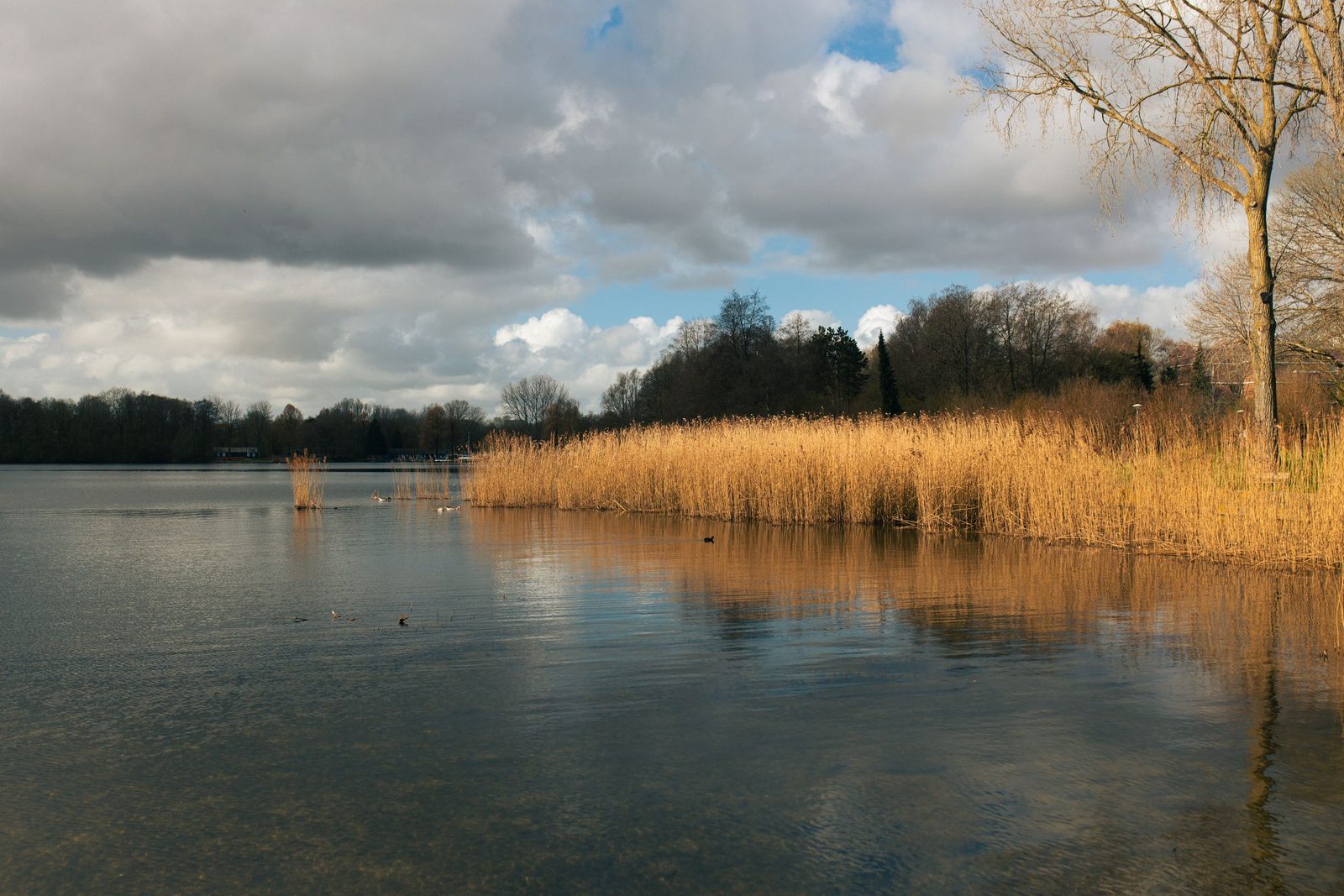
- Drop-offs and shelves where shallow water falls into deeper water.
- Weed beds, especially the edges.
- Margins, reed lines and overhanging trees. Don't ignore the water at your feet.
- Shallow, sheltered bays in autumn, when roach and bream shoal there, and the deepest water in hard cold spells, when it's slightly warmer and more stable.
- Dam walls, inlets and outlets, and the edges of snags. Fish next to a snag, not into it, so a hooked pike can be steered clear.
Rivers
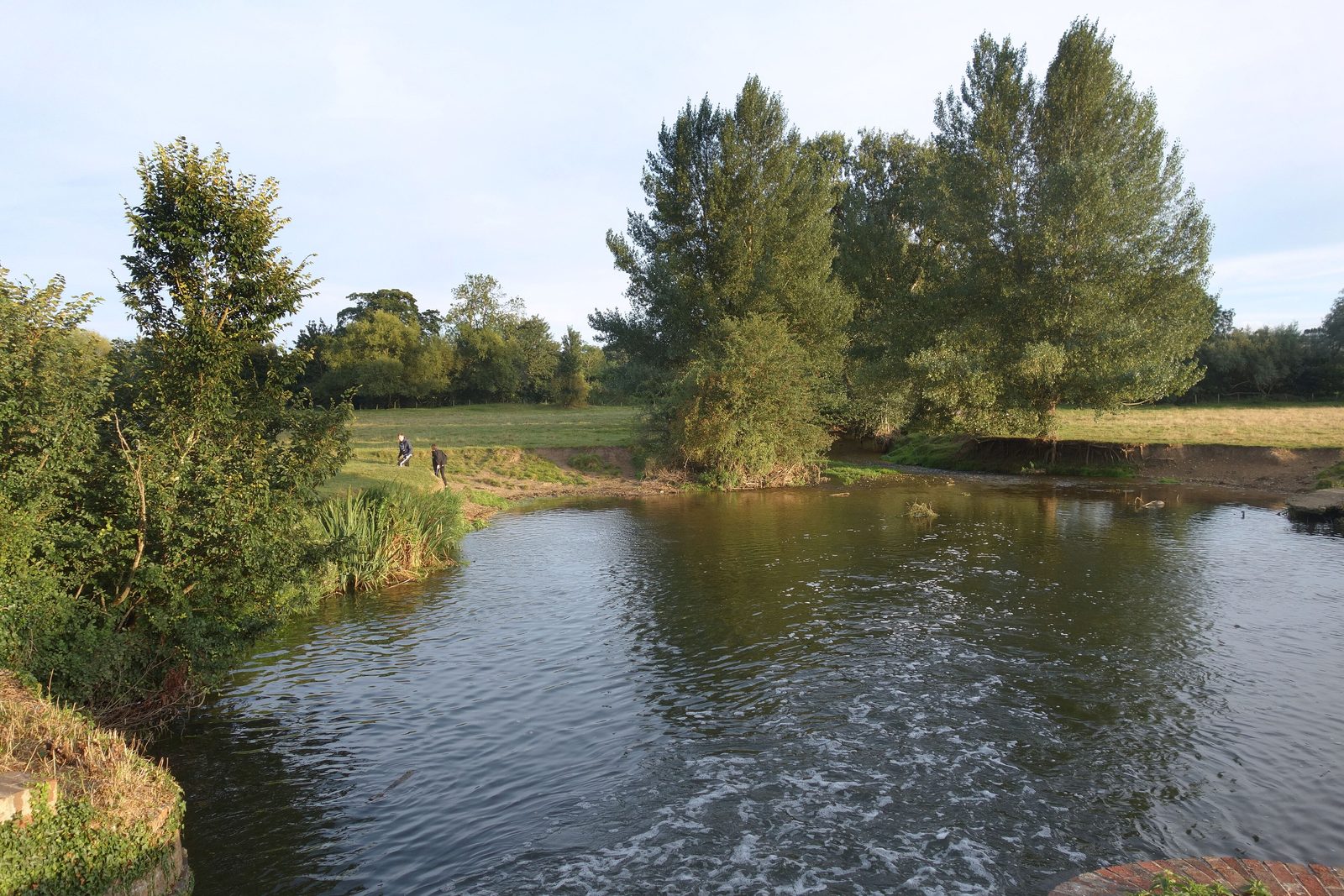
Pike avoid fast water. Look for slacks, backwaters, side channels, eddies, bridges, and deeper pools with cover. Ditch and drain mouths that shelve off quickly can be good winter swims. Rivers need heavier leads, often 2 to 3oz or more, to hold bottom.
Canals
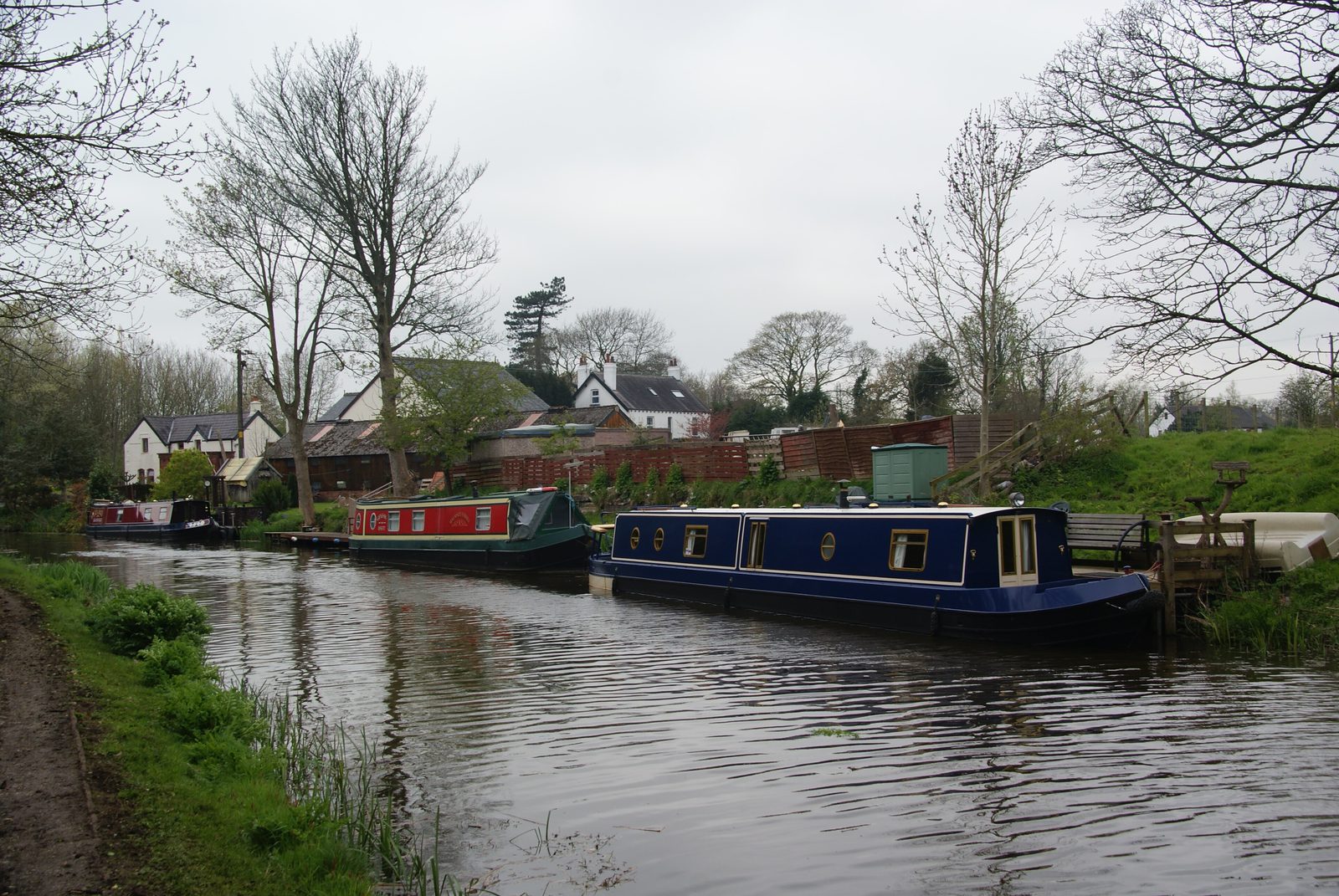
Fish near moored boats, overhanging trees, bridges, marinas and boatyards, turning bays and dead arms. The Canal & River Trust says pike do best on clear, weedy canals with less boat traffic.
Drains
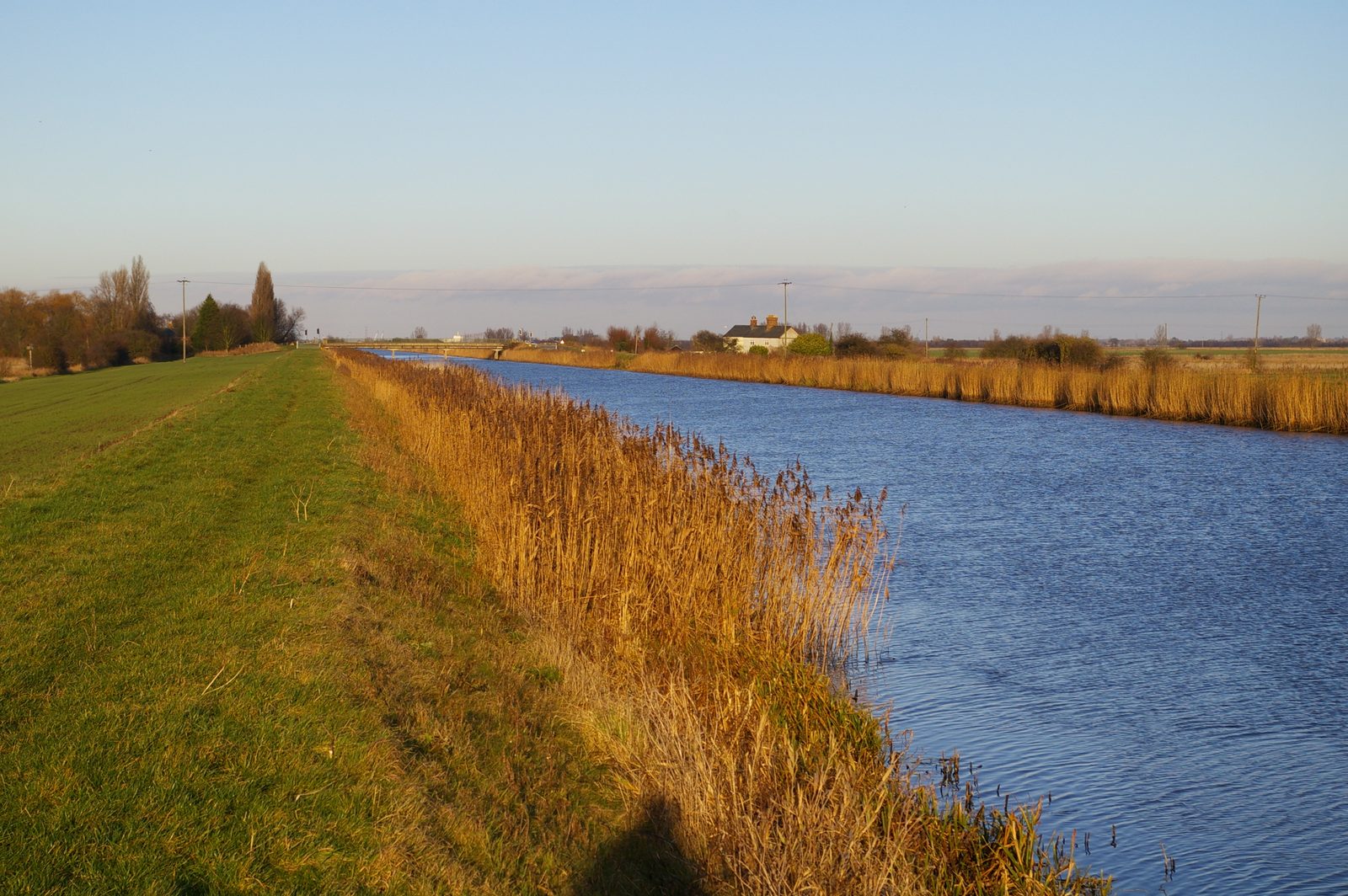
Flat fenland drains can look featureless, so look for anything different: junctions with smaller drains, bends, pumping stations, deeper sections and reed beds. Like rivers, drains in England and Wales follow the river close season.
Keep moving
If a swim hasn't produced a run in an hour or so, move, even if it's only a short distance along the bank. A roving approach with two rods often catches more than sitting it out.
A Deadbait Session, Step by Step
- Check the venue rules, your rod licence, and the water temperature. If it's 18°C or above, leave the pike alone.
- Walk the water and look for prey fish, birds and features. Ask other anglers where the silver fish are.
- Plumb the depth where you plan to fish.
- Set up a running leger or float leger with an uptrace, a 30lb, 18in trace and a lead on a weak link.
- Prepare the bait: thaw it or leave it frozen, inject oil if you're using it, and puncture it if it should sink.
- Hook it with the top treble in the tail root and the second no further forward than the dorsal fin.
- Cast, open the bale or set the baitrunner, and clip on the drop-off indicator with a couple of inches of slack.
- Set the rods next to where you sit, with your unhooking kit ready on the mat.
- Twitch the bait now and then, and move swims if nothing happens in an hour or so.
- Strike at once on any run or drop-back.
- Net the pike head first, and kneel by the mat before lifting it out.
- Unhook it quickly on a wet mat, weigh it in a sling if you want to, take your photos fast, and support it in the water until it swims off strongly.
Common Deadbaiting Mistakes
- Waiting to strike. Waiting, including waiting for a second run, is the main cause of deep-hooked pike.
- Rods out of reach or unattended. You can't strike at once if you're 50 yards away.
- Freelining, fixed leads or tether rigs. None of them belongs in pike fishing.
- Light line or short, light wire. Stick to the PAC minimums.
- Kinked or frayed traces. Check your wire after every fish and bin a damaged trace.
- Turning up without unhooking kit. The Angling Trust says not to fish for pike unless you're confident you have the kit and knowledge to unhook them safely.
- Hooks too far forward in the bait. Keep the second treble no further forward than the dorsal fin.
- Too much resistance. Tight line clips, heavy indicators, or a light lead that skips across the bottom all make a pike drop the bait.
- Only a front alarm on a float rig. It won't show a drop-back; add a rear drop-off.
- Casting soft baits too hard. Sardines and thawed baits fly off; cast smoothly and use bait elastic.
- Staying in one swim all day. Move if nothing happens.
- Fishing in warm water. At 18°C or above, leave the pike alone.
- Throwing a tired pike back. Support it in the water until it swims off on its own.
Unhooking and Looking After Pike
Pike look tough, but they're fragile out of the water. If you've never done it, go with an experienced pike angler for your first trip or two. The basic method:
- Net the pike head first. Don't lift the net until you're kneeling by the mat.
- Lay the pike on a wet unhooking mat or cradle, never on bare ground. If it's lively, kneel astride it gently, without putting weight on it.
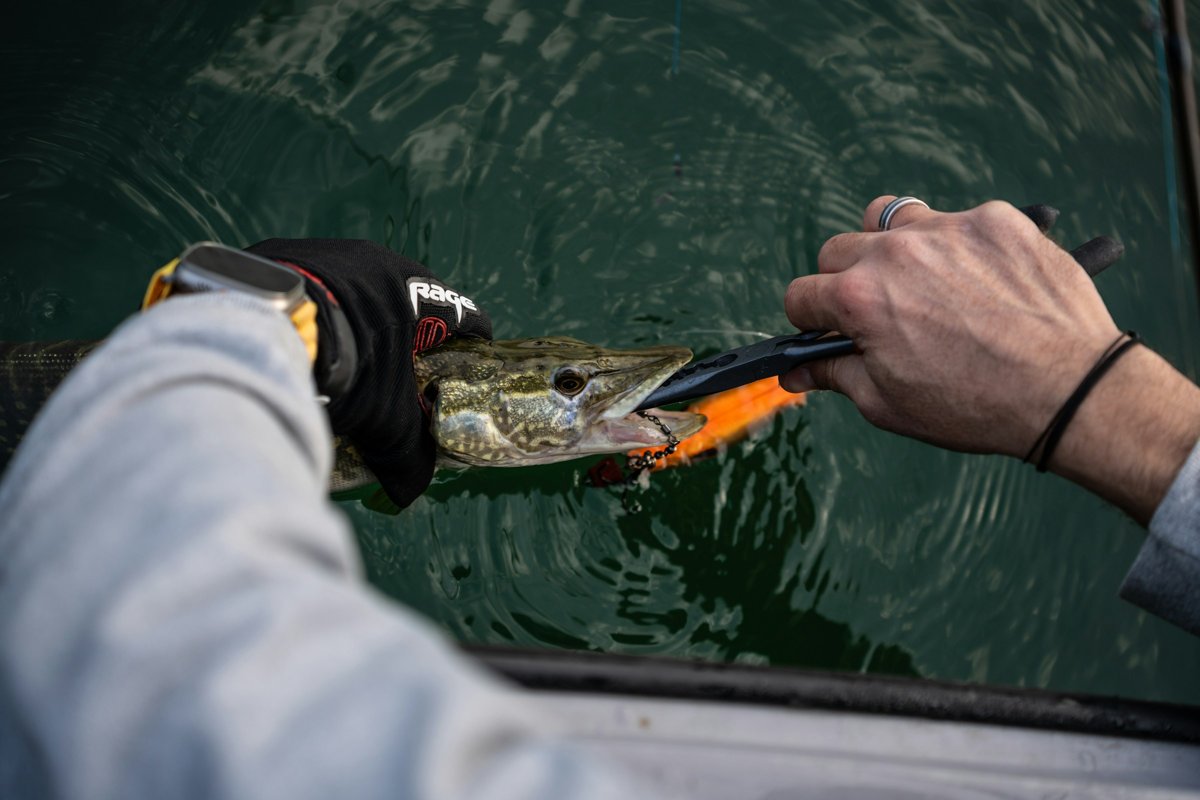
- With the pike on its back, slide your fingers carefully inside the gill cover and grip the lower jaw, keeping clear of the gill rakers, which are delicate and sharp. Lifting gently opens the mouth.
- Remove the trebles with long forceps. If one won't come out, cut it with the wire cutters rather than pulling.
- Weigh it in a sling if you want to, never with a balance hook under the chin, and keep photos quick.
- Support the pike in the water until it swims off strongly, however long that takes.
Never use gags or Boga Grips. Keep retention to a short spell in the net, a pike tube or a large flotation sling, never in a carp sack, and in warm water never use a tube or retainer: let the pike recover in the landing net.
Rules to Check Before You Go
England and Wales
- You need a rod licence from age 13. A standard licence covers two rods for coarse fish; a separate licence allows three.
- The coarse close season (15 March to 15 June) covers pike on rivers, streams and drains. Most stillwaters and canals are open all year, but venues can set their own seasons.
- You can't use a fish you've taken as bait unless you use it on the same water you caught it from.
- You can't use crayfish as bait, and any eel you catch must be released alive.
- From rivers you can take up to 15 small fish (up to 20cm) and one pike (up to 65cm) a day.
- Leaving a rod in the water unattended is illegal, and fishing with more than one rod, the outermost butts must be no more than 3m apart.
- Lead weights between 0.06g and 28.35g (1oz) are banned, landing nets must be knotless and non-metallic, and gaffs are illegal.
- Moving live fish between waters without a permit is an offence.
Wales: extra byelaws
- Live bait can only be used on the water it came from, during the same session.
- No crayfish or fish roe as bait.
- In the Upper Severn area, dead fish can't be used as bait from 8 October to 31 December on the Vyrnwy above Meifod Bridge and the Severn above Penstrowed railway bridge.
- Lakes, ponds, reservoirs and canals have no byelaw bait restrictions, so the owner's rules apply.
Scotland
- No rod licence is needed, but you need a permit or day ticket.
- Live vertebrates can't be used as bait, and using a pike gag is an offence.
- Don't move live fish between waters.
Venue rules and biosecurity
Many pike waters set their own rules on trebles, braid, wire, bait types and seasons, and some ban coarse deadbaits to stop the spread of fish disease. The Angling Trust's British Pike Championships, for example, require any freshwater deadbaits to be frozen and from an approved source. Check, clean and dry your tackle and nets between venues.
Pike Facts Worth Knowing
- The British rod-caught record is 47lb 5oz, caught by Lloyd Watson at Chew Valley Lake in February 2024.
- Pike spawn between March and May, in shallow water, and can live up to 25 years.
- A pike can eat prey up to half its own body weight, so don't be afraid of a big bait.
- A big female can carry several pounds of spawn late in the season, so handle late-season fish with extra care.
- On waters that hold zander, small deadbaits catch them too, which is why some deadbait rods, such as the Fox Rage Warrior Classic, are also pitched at zander.
Deadbaiting Kit Checklist
- Rod licence, venue permit and the venue rules
- Two or three kinds of frozen deadbait in a cool bag, plus bait elastic, oil and a needle
- Rods, baitrunner or free-spool reels, 18lb+ mono or 65lb+ braid
- Spare traces (30lb+, 18in+), uptraces, run rings or leger stems, beads, leads and weak-link line
- Floats and poppers if you'll need them
- Bite alarms and drop-off indicators
- Large knotless landing net, unhooking mat or cradle, weigh sling
- Long forceps, long-reach wire cutters and a thermometer
- A towel, and a flask; winter piking is a cold game
For more terminal tackle, browse our predator rig bits and predator ready-tied rigs.
Frequently Asked Questions
What dead bait do pike like the most?
There is no single best deadbait. Mackerel and sardine are two of the most widely used, because they are easy to buy frozen and leak an oily scent trail. On waters where pike feed mainly on roach, rudd and skimmers, a coarse deadbait can be the better choice. Carry two or three kinds and switch if one isn't working.
What are the best deadbait rods for pike fishing?
A 12ft rod of about 2.75lb test curve suits smaller waters and smaller baits. For big venues, big baits and long casts, step up to 3lb to 3.25lb. On canals, drains and boats a 10ft rod is easier to handle. Our best pike rods guide covers the options.
What is the best dead bait rig for pike?
For most venues, a running leger: a run ring or leger stem on the mainline, a buffer bead, a wire uptrace and a bait trace of at least 30lb and 18in, with the lead on a weak link. Over weed or silt, pop the bait up. In the margins and on small waters, a float leger shows drop-backs well.
When should you deadbait for pike?
From autumn to early spring, roughly October to March, when the water is cold. Don't fish for pike at or above 18°C, and remember the river close season (15 March to 15 June) applies to pike in England and Wales.
How do you rig a deadbait for pike?
Put the top treble in the root of the tail and the second no further forward than the dorsal fin, as the PAC code recommends. Use bait elastic to hold soft baits together for casting.
What size trebles are best for deadbaiting?
The PAC code recommends semi-barbless trebles in sizes 4 to 6. Match the size to the bait: on the Drennan E-SOX Bait Trace, for example, the size 4 suits baits of 16 to 20cm and the size 6 baits of 13 to 17cm.
Can you use eels as pike bait?
You can't take rod-caught eels in England; any eel you catch must go back alive. The European eel is critically endangered, and the National Anguilla Club has asked anglers not to use it as bait. We'd leave it out.
Should you strike straight away when pike fishing?
Yes. The PAC code says to strike as soon as you have an indication of a run and never to wait for a second run. Waiting gives the pike time to swallow the bait, which leads to deep hooking.
Do you need a wire trace for pike?
Yes, always. A pike's teeth will cut through mono and braid. The PAC code sets a minimum of 30lb wire and 18in in length, and calls an uptrace good practice when bait fishing.
The safety standards in this guide follow the Pike Anglers' Club recommended code of conduct (September 2024).
Thanks for reading.
Tight Lines!