

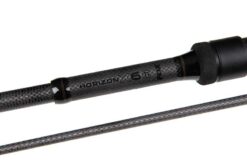
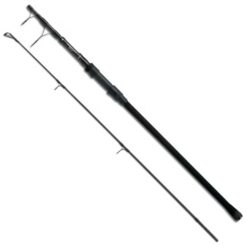
8 Foot Carp Rods
Need a carp rod compact enough for overgrown margins and pocket swims? Every 8 foot carp rod here is price-checked against our verified retailers, so the shop charging the least today is already flagged.
Read more Read less
Use the brand, price band and rating filters to shrink the list, then open any rod to find the shop selling it for the least right now.
The grid runs from low cost first blanks up to specialist short range tools, so a roving stalking setup and a step up appear together.
Each rod shows the lowest live price we have found and how many of our shops we compared to get it, and you can sort by review score to bring the strongest options up top.
No products match those filters.
How to Choose an 8 Foot Carp Rod
Eight foot rods sit at the very short end of the carp range, even more compact than the popular nine foot tools. That extra reduction in length is for the tightest situations, fishing under overhanging trees, dropping a bait into a gap in the reeds, or working a snaggy margin where there is barely room to swing a longer blank.
Test curve still sets the power on a rod this short. A lighter curve around two pounds suits smaller fish and careful presentation in close, while two and a half to three pounds gives the backbone to steer a bigger carp away from cover the moment it picks up.
The right curve depends on the size of fish and how heavy the snags are around the swim.
Distance is not part of the job here, so casting range is short by design and the rod does its work through close control instead. The compact blank stays light for a day of mobile, foot by foot fishing and lets the angler keep the tip low and tucked in under branches.
Balance the rest of the kit to the short length. A small reel loaded with a strong main line fits the close quarters work these rods are made for, since fish are usually hooked and beaten within a rod length or two and there is little room to let line out.
Many eight foot rods travel as one or two pieces or break into short sections, which counts when the angler is walking the bank with a roving kit. The guide linked below works through the choices in more depth and helps match a rod to the way the swims are fished.
8 Foot Carp Rod Prices and Reviews
We list 2 eight foot carp rods, 2 with a full eTackle review behind them. Each one displays its lowest live price alongside the count of shops we checked to find it.
An eTackle review weighs up blank quality, the action, how surely the rod controls a fish in close cover, and whether the asking price stacks up. For more on picking a rod for stalking and margin work, see our best carp rods guide.
Frequently Asked Questions
What are 8 foot carp rods used for?
They are ultra short carp rods for stalking, margin fishing and tight swims where overhanging cover leaves no room for a longer rod. The compact length keeps the tip low under branches and gives tight control of a fish in the snags.
How are 8 foot carp rods different from 9 foot rods?
An eight foot rod is shorter still, so it is even easier to use under trees and in confined gaps where a nine foot blank is awkward. The trade is slightly less reach and casting, so it suits the very closest range work.
What test curve should an 8 foot carp rod have?
A lighter curve near two pounds suits smaller fish and delicate close in presentation, while two and a half to three pounds steers bigger carp away from cover. Match the curve to the size of fish and how heavy the snags are near the swim.
Can you cast far with an 8 foot carp rod?
No, the short blank is built for close range control rather than reaching open water. If casting distance matters, a ten or twelve foot rod will put a bait out much further.
Are 8 foot carp rods good for stalking?
Yes, stalking is one of their main uses, since the very short rod is easy to carry while roving and quick to lift a fish clear of cover. The low tip helps when fishing under overhanging trees and along tight margins.
What line should I use with an 8 foot carp rod?
A strong main line on a small reel suits the snaggy, close range fishing these rods are made for. Heavier line is common because fish are hooked and landed within a rod length or two, with little room to give ground.