

Best Electric Fishing Trolleys
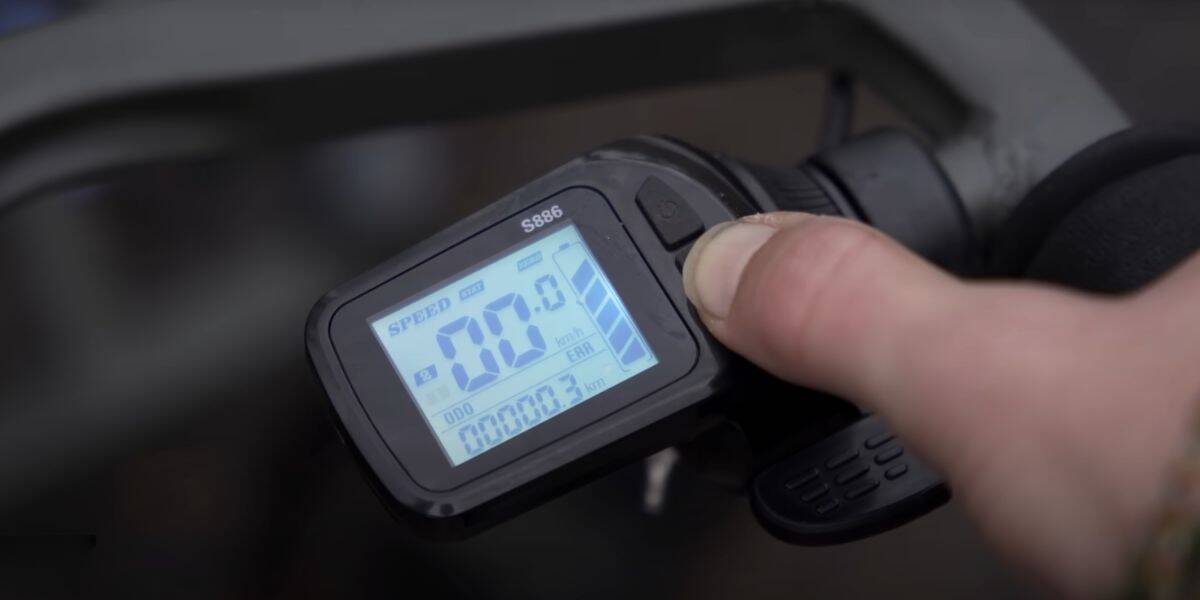
Electric fishing trolleys are fast becoming a go-to bit of kit for carp anglers who need to shift serious gear without breaking their back doing it. A well-designed powered trolley can take the strain off your back, smooth out rough tracks, and make reaching your swim feel like part of the session rather than a slog before it begins.
We have reviewed and scored the best electric fishing trolleys on build quality, manoeuvrability, storage capacity and value for money, from a four-wheel match transporter to a compact carp barrow that fits a small boot.
Here is the summary table to get you started.
Our Top Six Electric Fishing Trolleys at a Glance
| Product | Best for | Powered trolley | Best suited to |
|---|---|---|---|
| Powered match trolley | |||
 | 9.1 Best Powered Match Fishing Trolley | Matrix 4 Wheel Power Transporter | Best suited to:Match anglers who need a stable, motorised transporter with serious capacity and rugged build quality. |
| Full-size powered carp barrows | |||
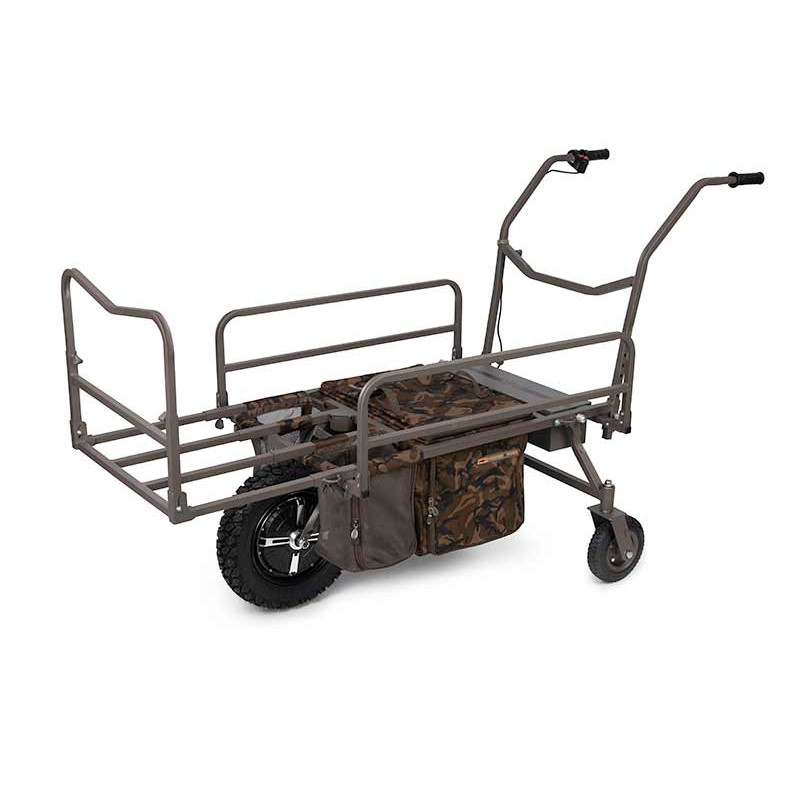 | 9.1 Best Powered Carp Barrow | Fox Transporter 24v Power Plus Barrow | Best suited to:Anglers needing maximum stability and load capacity in a premium three-wheel power barrow. |
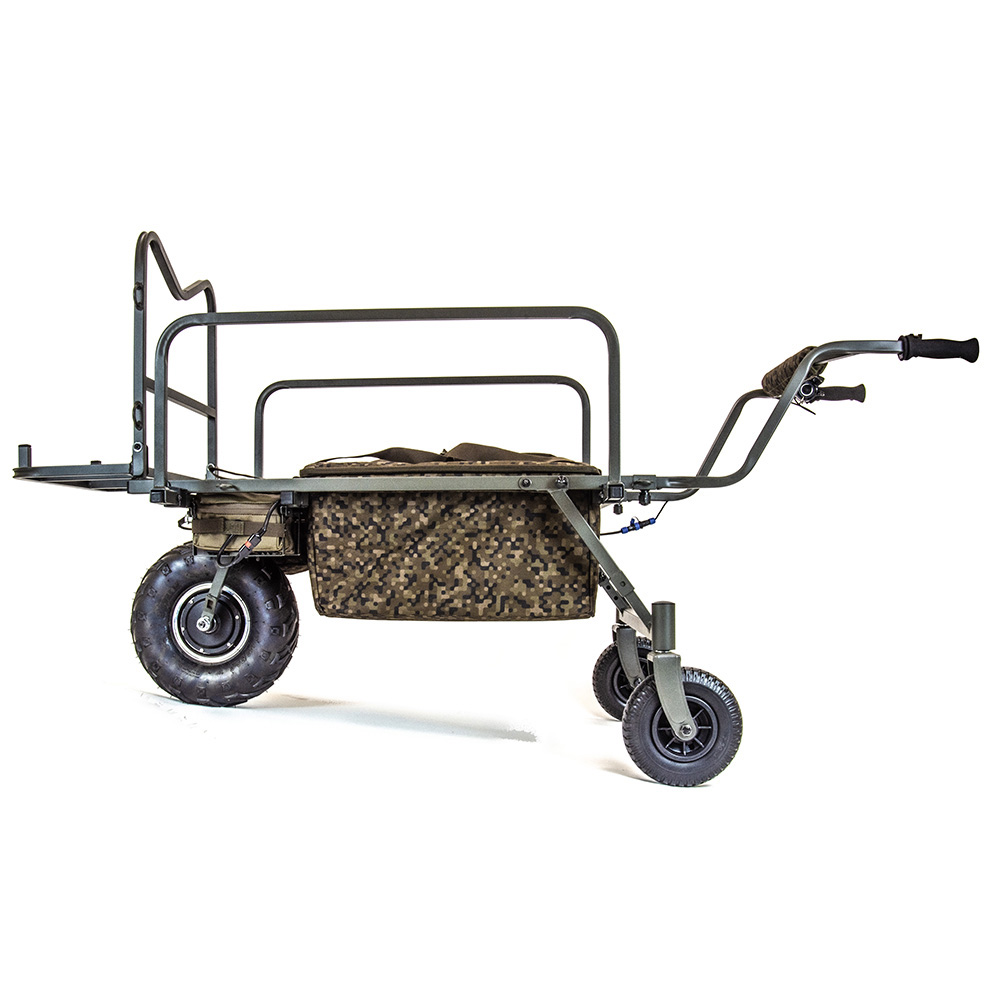 | 8.9 A Very Popular Model By Solar | Solar SP C-Tech Power Barrow MK2 | Best suited to:Anglers who want top-tier handling, waterproof electrics and a refined, expandable frame for demanding venues. |
 | 8.8 A Top Option by Nash | Nash Trax Evo Power Barrow | Best suited to:Anglers who want a reliable powered barrow with clean balance, smart layout, and waterproof performance in all weather. |
 | 8.8 A Slightly More Budget Electric Fishing Barrow | Fox Transporter 24v Power Barrow | Best suited to:Anglers who want a well-built, stable power barrow with smooth handling and hassle-free charging. Also one of the cheaper options. |
| Compact powered barrow | |||
 | 8.5 Best Compact Power Barrow | Solar SP C-Tech Traveller Power Barrow | Best suited to:Anglers short on boot space who want powered help on long walks without a full-size barrow. |
If you don't need the motor, our best carp barrows guide covers the manual frames, and the best coarse and match fishing trolleys guide covers seat box trolleys.
Which Electric Fishing Trolley Should You Buy?
| If you | Choose | Why | Watch out for |
|---|---|---|---|
| Fish matches from a loaded seat box | Matrix 4 Wheel Power Transporter | Twin hub motors, four wheels and a locking seatbox support | High upfront cost |
| Carry the biggest carp session loads over rough ground | Fox Transporter 24v Power Plus | 350W hub motor, three wheels, two batteries and charger in the box | One of the most expensive barrows you can buy |
| Want the most refined handling in tight swims | Solar SP C-Tech Power Barrow MK2 | 300W motor with three differentials and 360-degree rear wheels | Batteries are ordered separately and it needs a bigger boot |
| Want a barrow that pushes well with the power off | Nash Trax Evo Power Barrow | Central motor and battery, manual override, three bags included | Rear wheels are an extra |
| Want powered help at a lower price | Fox Transporter 24V Power Barrow | 250W hub motor with reverse, two batteries and charger included | No rear brake or stabiliser as standard |
| Have a small car and shorter loads | Solar SP C-Tech Traveller | 17.9kg compact frame with a 150W hub motor and 110kg capacity | Batteries are not included |
The Best Electric Fishing Trolleys
Each model here is scored on build quality, manoeuvrability, storage and value for money, and you can read how we review and test powered fishing trolleys. The Matrix is built around a seat box, the four full-size barrows around carp session kit, and the Traveller around a small car boot.
Match trolley | Carp barrows | Compact
Matrix 4 Wheel Power Transporter
Best Powered Match Fishing Trolley
How It Scored
Reinforced hi-tensile steel frame with rust protection and waterproof wiring.
Twin in-hub motors give smooth control fully loaded on gravel and soaked towpaths.
Extendable frame, locking seatbox support and separate storage bags.
Expensive, and more than most casual anglers need.
To be honest, I wasn't sure how much of a difference a powered barrow would make until I got this out on the bank. The Matrix 4 Wheel Power Transporter changed that within minutes.
It's got serious grunt, and yet it's incredibly smooth to control, even fully loaded across rough gravel or soaked towpaths.
The twin in-hub motors don't just power it forward, they give it stability and control that makes manual barrows feel like hard work by comparison.
What impressed me most wasn't just the power, but how well-thought-out the whole system is.
The locking seatbox support, waterproof wiring, extendable frame and separate storage bags, none of it feels like an afterthought.
This is a barrow built for anglers who fish properly loaded and want to take the pressure off without compromising on storage or balance.
It's not cheap, and it's more than most casual anglers would need, but if you're heading to remote pegs with a full kit every weekend, it's an absolute workhorse.
Pros
- ✓Strong, reinforced frame with rust protection
- ✓Front power drive makes turning effortless
- ✓Digital controller and display adds real convenience
- ✓Seatbox locking system is a clever and practical addition
Cons
- ✕High upfront cost compared to basic trolleys
Fox Transporter 24v Power Plus Barrow
Best Powered Carp Barrow
How It Scored
Fox's most capable powered frame, with extendable rails and proper build throughout.
350w hub motor with forward and reverse, and two rear castor wheels carrying the weight.
Camolite under-barrow bag with top and side access, extendable frame and side rails.
One of the most expensive barrows available, though two batteries and the charger are included.
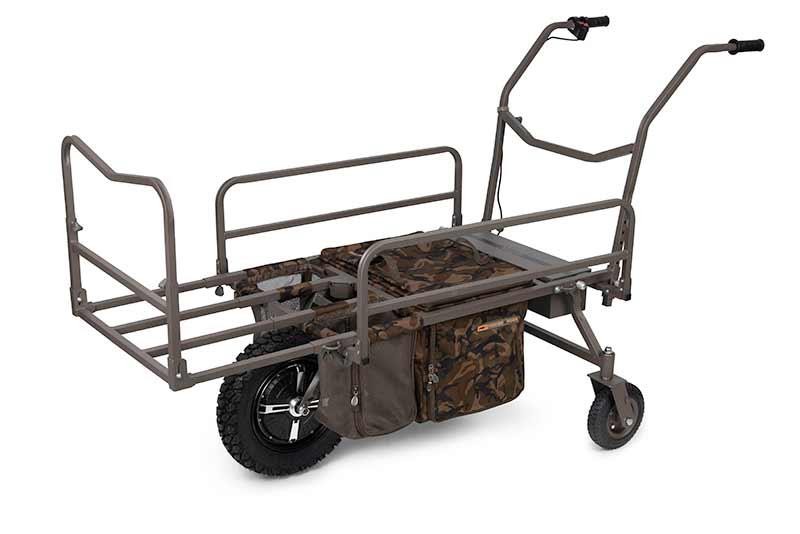
The Transporter 24v Power Plus is Fox's most capable powered barrow to date, built for serious anglers who fish long sessions and carry heavy gear across rough ground.
What makes this barrow stand out is the way it combines real pulling power with a three-wheel layout. The 350w in-hub motor delivers smooth, assertive drive, and the two rear castor wheels carry the weight so you steer the load rather than balance it.
The thumb controller is simple but effective, with forward and reverse gears, and four lights tell you how much battery is left.
The included Camolite under barrow bag opens from the top or either side, and the frame and side rails extend when there's more kit to carry.
It's not cheap, but with two batteries and the charger in the box, plus bucket brackets and straps, for long-session anglers who want stability, power and proper build quality, this is as good as it gets.
Pros
- ✓Three-wheel layout with rear castor wheels for real stability
- ✓350w 24v hub motor with forward and reverse gears
- ✓Two 9Ah batteries and charger included
- ✓Extendable frame and side rails for session loads
Cons
- ✕One of the most expensive barrows available
Solar SP C-Tech Power Barrow MK2
A Very Popular Model By Solar
How It Scored
Waterproof electrics, enclosed CPU and a frame that adjusts for width without feeling flimsy.
300W motor with three differentials, and 360-degree rear wheels for tight turns.
Central Drop-Loc bag, extendable front shelf and a battery cover that lifts off loaded.
Premium price, and the batteries are ordered separately.
The SP C-Tech MK2 is the latest version of one of the most refined electric barrows I've tested. It's powerful, thoughtfully engineered, and clearly designed by anglers who understand what makes a difference on the bank.
The 300W XD motor is responsive and confident on inclines, now backed by three differentials for rough terrain, while the 360-degree rear wheels make tight turning easy, even without power engaged.
What really stood out for me on the SP C-Tech was how comfortable it felt to push, loaded or not. The adjustable rear wheels and balanced layout mean you're never stooping or wrestling the barrow on rough ground.
The central Drop-Loc bag is well thought out and stays secure in place, and the whole frame adjusts for width without feeling flimsy or awkward.
For anglers after premium features and real session usability, the C-Tech MK2 delivers in full.
Pros
- ✓Super stable and smooth 360° rear wheel system
- ✓Adjustable frame with high-quality Drop-Loc bag
- ✓Battery cover comes off without unpacking your gear
- ✓Clear and user-friendly LCD control system
Cons
- ✕Too large for compact cars unless partially dismantled
Nash Trax Evo Power Barrow
A Top Option by Nash
How It Scored
Internal wiring, waterproof control box and spring-locking legs.
Central motor and battery keep it balanced through ruts, and manual mode has no drag.
Three under-barrow bags as standard and a 110kg load capacity.
A proper workhorse, but the rear wheel kit is an extra.
The Nash Trax Evo is one of the most balanced and confidence-inspiring electric barrows I've tested, with a layout that feels stable whether powered or not.
The central battery and motor position make a big difference on uneven ground, keeping the weight steady and preventing twist as you push through ruts or soft banks.
What I liked most is how naturally it moves. The variable trigger gives you smooth control over speed, and switching to manual mode feels effortless, no dragging or dead weight when the power's off.
Storage is generous and well thought out. The three under-barrow bags hold a surprising amount, and everything feels secure and organised without needing endless tie-downs.
It's not the lightest setup and the rear wheel kit costs extra, but if you're after a proper workhorse with a sensible power setup, the Evo is well worth a look.
Pros
- ✓Central motor and battery give great balance under load
- ✓Pushes smoothly with or without power engaged
- ✓Three under-barrow bags included as standard
- ✓Excellent control with smooth variable throttle
Cons
- ✕Rear wheels must be bought separately
Fox Transporter 24v Power Barrow
A Slightly More Budget Electric Fishing Barrow
How It Scored
Hi-tensile steel frame with IP68 waterproof cables and a low, central motor and battery.
Smooth power delivery with a reverse gear for repositioning next to swims.
Camolite under bag with access from all angles plus three mesh pockets.
One of the cheaper powered options, with dual batteries and charger in the box.
The Fox Transporter 24V is one of the most complete and practical power barrows I've tested, a smart step up for anglers looking to cover long distances without overcomplicating things.
It's incredibly well balanced, with the motor and battery system sitting low and central, giving you confidence even on slopes or rutted ground.
I really liked how smoothly the power engaged. No jolts or twitchy handling, just steady forward motion, and the reverse gear came in surprisingly handy when repositioning next to swims.
Storage is well thought out too. The Camolite under bag is easy to access from all angles, and the extra mesh pockets let you separate small items without digging through the main load.
It's not packed with extras, but it's all the better for it, tidy, reliable, and solid from the first push to the last.
Pros
- ✓Smooth 250W hub motor with forward and reverse
- ✓Dual batteries and plug-in charger included
- ✓Balanced layout with excellent handling under load
- ✓Folds down to fit most boots without disassembly
Cons
- ✕No rear brake or stabiliser as standard
Solar SP C-Tech Traveller Power Barrow
Best Compact Power Barrow
How It Scored
Metal battery housing and a watertight CPU box on a 17.9kg frame.
Light enough to handle with the power off, with swivel mud feet for uneven stops.
Drop-Loc side-access bag and eight Loc-Down points, up to 110kg.
Compact powered help at a lower price, but batteries are extra.
The SP C-Tech Traveller is Solar's compact power barrow, and it packs the thinking behind the full-size C-Tech into a frame that fits smaller cars and tighter storage.
The 150w 24V in-hub motor gives smooth assistance on longer walks, and at 17.9kg there's far less barrow to handle when the power is off.
The adjustable rear legs and handle height mean you're not stooping, and the swivel mud feet keep it steady when you stop on uneven ground.
The Drop-Loc under-barrow bag has side access, and eight Loc-Down points keep the load strapped tight, with a 110kg maximum capacity.
It's sold without batteries, so budget for those, but for anglers who want powered help without full-size bulk, the Traveller is a very capable choice.
Pros
- ✓Compact 88cm x 55.5cm frame that packs down small
- ✓Light at 17.9kg with a 110kg maximum load
- ✓150w 24V hub motor with charger supplied
- ✓Drop-Loc under-barrow bag with side access
Cons
- ✕Batteries are not included
What Features to Look For in an Electric Fishing Trolley
Electric fishing trolleys are judged on more than just motor strength; reliability, control and storage practicality all play a role. Here's what to consider when choosing the right model for your specific circumstances.
Frame strength and build quality
A solid frame is the foundation of any good electric fishing trolley, especially when it's expected to carry a fully loaded setup across uneven ground. Most premium models are built from either high-tensile steel or aircraft-grade aluminium, offering the right mix of strength and manageable weight.
Weld quality is another key indicator. Clean, even welds at stress points suggest better long-term durability, particularly where the frame folds or supports heavy gear.
A good powder-coated or weather-treated finish helps protect against corrosion over time, which is vital if you regularly fish in wet or muddy conditions.
You want a trolley that doesn't flex, rattle or shift under load, even on steep banks or when pushing over rough terrain. That rigidity adds confidence when you're halfway to the swim with your hands full.
Motor power and drive configuration
Motor power is what separates an electric trolley from a standard barrow, so it pays to look closely at how it's delivered. Most powered trolleys in this category run motors between 150W and 350W, though the overall torque and gearbox design play just as much of a role as the headline wattage.
Some use single front-wheel drive for simplicity and direct pulling power, while others opt for rear or twin motors for improved balance and hill climbing.
The best models offer smooth acceleration through variable speed controls, often via a thumb throttle or dial. This allows you to adjust pace to suit the terrain without jolting or overloading the frame.
A well-tuned motor should feel responsive under load, not jerky or slow to react, and still offer consistent torque on slopes, soft ground, or when fully packed.
Top tip: don't be swayed by wattage alone. A lower-watt motor with a better gearbox will often perform smoother and last longer than a high-watt unit with poor torque control.
Here's a table that compares the motors on our featured powered trolleys:
| Model | Motor power | Drive configuration | Speed control |
|---|---|---|---|
| Matrix 4 Wheel Power Transporter | 2 × 130W in-hub motors (260W total) | Front wheels powered (twin drive) | 3-speed digital thumb controller with display |
| Fox Transporter 24v Power Plus | 350W 24V in-hub motor | Front wheel drive with two rear castor wheels | Thumb controller with forward and reverse |
| Solar SP C-Tech Power Barrow MK2 | 300W XD 300 Pace Wheel hub motor with three differentials | Rear hub drive | Micro Touch LCD controller, variable speed |
| Nash Trax Evo Power Barrow | 24V front-drive motor (wattage not stated) | Front-wheel drive with manual override | Variable speed trigger |
| Fox Transporter 24V Power Barrow | 250W 24V in-hub motor | Front wheel drive | Thumb controller with reverse |
| Solar SP C-Tech Traveller | 150W 24V in-hub motor | Front wheel drive | Not stated |
Battery type and runtime
Battery setup is one of the most important considerations when choosing a powered trolley, especially if you're covering long distances or fishing larger venues.
Most modern electric trolleys use two 12V sealed lead-acid (AGM) batteries wired in series for a 24V system, and some are sold without batteries so you can choose your own. Lithium batteries tend to offer better weight-to-runtime ratios and faster charging, but check what the barrow is built to take before buying them.
Typical runtimes range from 5 to 8 hours depending on the model, terrain and load weight. Dual-battery setups like those on the Matrix and both Fox models tend to run longer under steady use.
Charging times vary depending on the charger provided. Some brands include smart chargers with auto shutoff, while others let you charge the batteries in place without unpacking the barrow.
Battery placement is also worth checking. Most trolleys come with a waterproof battery bag or housing positioned low on the frame, which keeps the unit safe from splash and impact during transit.
Here's a table that compares battery and charging on our top-rated options:
| Model | Battery type | Runtime (estimated) | Charger |
|---|---|---|---|
| Matrix 4 Wheel Power Transporter | 2 × 12V 9Ah batteries (24V system), included | Up to 8 hours (moderate use) | Smart charger included |
| Fox Transporter 24v Power Plus | 2 × 12V 9Ah batteries (24V system), included | Not stated | Charger plugs into the power box, four-light indicator |
| Solar SP C-Tech Power Barrow MK2 | Ordered separately, removable EVA battery case | Not stated | Six-point level indicator |
| Nash Trax Evo Power Barrow | 24V lead-acid battery | 5 to 7 hours depending on terrain | Charger included |
| Fox Transporter 24V Power Barrow | 2 × 12V 9Ah AGM batteries (24V system), included | Up to 7 to 8 hours with full charge | Plug-in charging with battery indicator panel |
| Solar SP C-Tech Traveller | Not included (24V system) | Not stated | Charger supplied |

Wheel and tyre setup
The wheel setup on an electric fishing trolley plays a major role in how easily it moves across different types of ground, especially when fully loaded.
Most powered models now come with pneumatic tyres as standard. These air-filled wheels help absorb bumps and ruts on rough banks, and provide far better grip on wet or muddy terrain compared to solid wheels.
That said, solid tyres do have a place. They're completely maintenance-free and can't puncture, which makes them useful for venues with firm paths or short distances. The trade-off is less cushioning and more vibration, especially on gravel or broken ground.
Tyre size and tread also make a noticeable difference. Wider tyres spread the load better, helping to prevent sinking into soft ground, while deeper treads provide improved traction when climbing inclines or crossing wet grass.
You'll also want to check how the axle is positioned in relation to the frame and motor. A well-balanced setup keeps the load centred over the wheels and makes turning much easier under power.
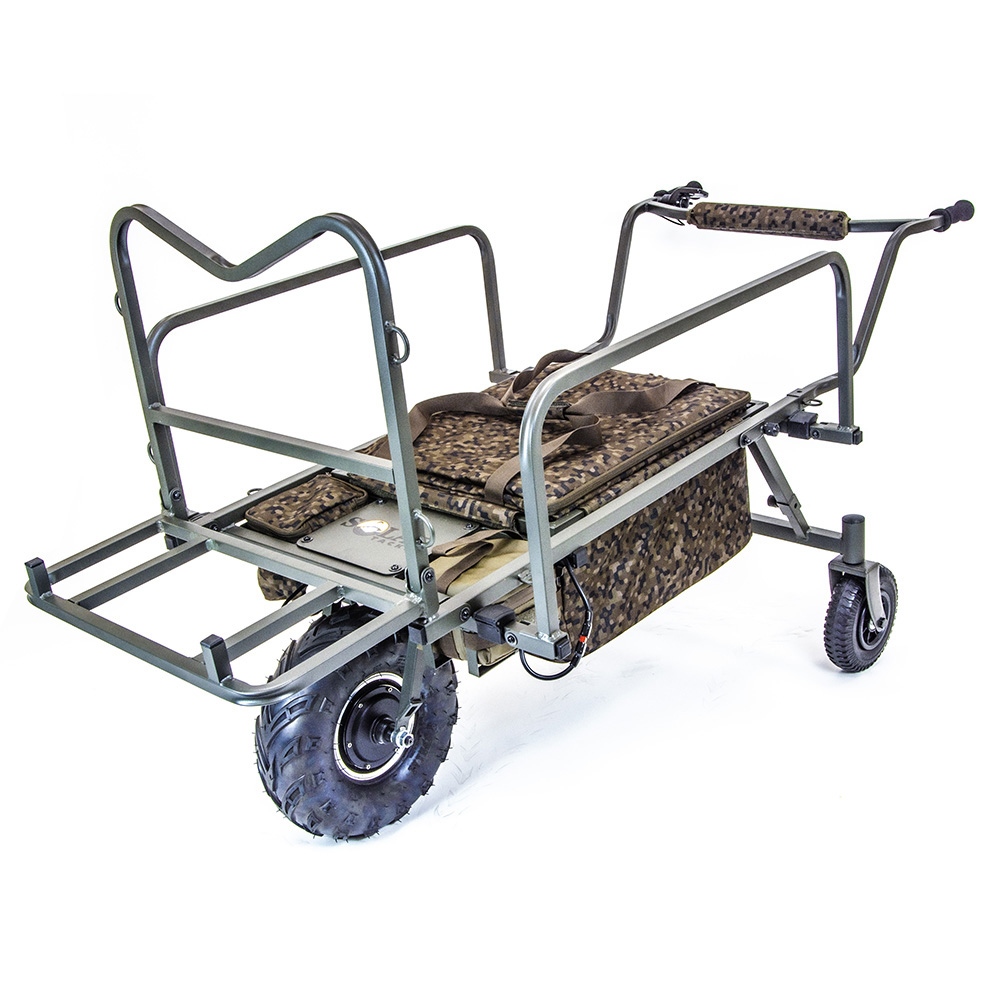
Stability and manoeuvrability
A powered trolley needs to do more than just move forward, it has to feel stable and easy to control, even when fully loaded and navigating tight paths or slopes.
The number of wheels plays a key role here. Single-wheel designs are easier to steer in narrow swims but rely heavily on load balance. Three-wheel and four-wheel setups, like those on the Matrix, the Fox Power Plus and the Solar MK2, provide more natural stability and reduce tipping risk on uneven ground.
Wider frames and low-mounted wheelbases also help with balance, especially when going up or down inclines. You want a trolley that tracks in a straight line and doesn't need constant correction with every step.
Handlebar design makes a difference, too. Look for models with ergonomic grips and adjustable handle height where possible; small changes here can reduce arm fatigue on longer treks.
Some models offer powered assist only on one wheel, which can feel slightly unbalanced if the load isn't centred properly. Higher-end models tend to spread power more evenly or use geared drive systems to maintain control on turns and slopes.

Storage layout and load distribution
Electric fishing trolleys aren't just about motors; how they carry and balance your gear plays just as big a part in how well they perform.
Most powered models include a main loading deck with adjustable side arms or drop-in bags underneath. These help keep your load central and low, improving both stability and handling.
The best designs distribute weight directly over or just behind the wheelbase. This helps prevent tipping and makes the motor work more efficiently by reducing front drag or rear overbalance. Under-frame bags with top or side access are especially useful for storing heavier items, keeping the centre of gravity low while still accessible.
You'll also want to consider how securely you can strap everything down. Look for solid anchor points or included strap systems that stop items shifting when going over rough ground.
While electric trolleys aren't modular in the same way as some carp barrows, having a layout that suits your gear shape and weight makes a noticeable difference to how smooth the journey feels.
Top tip: try to load heavier items low and centrally, then pack lighter gear around them. It's one of the simplest ways to improve balance and reduce motor strain on sloped terrain.

Folding and transport size
How easily a powered trolley packs down can make a big difference, especially if you're short on boot space or need to store it between sessions.
Some models fold flat in one motion with quick-release pins or hinges, while others require partial disassembly, usually removing the wheel, battery tray or handles. Both approaches work well depending on your storage setup, but tool-free systems are quicker on the bank.
Check the folded dimensions carefully before buying. Larger 4-wheel units like the Matrix are more stable on the move but naturally take up more space when packed away. If your car boot is tight, compact or split-frame designs like the Solar Traveller might suit you better.
Weight is also a factor here. Even when unloaded, many electric trolleys still weigh 20 to 30kg due to their motors and frames. You'll want to know whether you can lift it into your vehicle solo, or if it's better broken down into parts.
For long-term convenience, the ability to pack the frame down quickly and neatly is nearly as important as how well it moves loaded. Here's a table that compares size and weight of the models we have featured:
| Model | Folded size | Empty weight |
|---|---|---|
| Matrix 4 Wheel Power Transporter | 85 × 55 × 23 cm (main bag); wheels 48 × 40 × 30 cm | 22 kg |
| Fox Transporter 24v Power Plus | Not stated | Not stated |
| Solar SP C-Tech Power Barrow MK2 | Not stated | Not stated |
| Nash Trax Evo Power Barrow | Load area 110 × 71 cm (extends to 132 × 100 cm) | 21 kg |
| Fox Transporter 24V Power Barrow | 80 × 80 × 21 cm | 43.2 kg |
| Solar SP C-Tech Traveller | 88 × 55.5 cm frame | 17.9 kg |
Brake system and control features
A good brake setup is essential on a powered trolley, especially when navigating slopes or parking on uneven ground. Most modern models come with either a manual brake lever, electronic braking through the motor, or a physical locking pin that holds the barrow in place when stationary.
While not all brakes are equal, they all aim to stop movement when you're unloading or resting. Electronic braking systems tend to feel smoother and work well when combined with variable speed control. Some high-end trolleys also include a reverse function, giving you more control when manoeuvring into tight swims or backing out of tricky spots.
Throttle design also matters. Thumb levers, rotary dials and push-button controls are the most common. What's important is that it feels responsive without being jumpy, especially when loaded.
You'll also want to check the weatherproofing of all control components. Exposed wiring or cheap housings can quickly lead to problems in the rain or on wet grass.
Top tip: when testing a powered trolley for the first time, always try the brake on a slope. It's the quickest way to find out whether the system is reliable under pressure.

Final Thoughts
If you fish matches from a loaded seat box and the walk to the peg is a slog, the Matrix 4 Wheel Power Transporter is the one to buy. Four wheels, twin hub motors and the locking seat box support make it feel like a different sport compared with pushing a manual trolley.
For carp anglers, the Fox Transporter 24v Power Plus is the barrow I'd put my money on. The three-wheel layout means you steer the load rather than balance it, and the two batteries and charger are in the box. The Solar SP C-Tech MK2 runs it close on handling, with those 360-degree rear wheels for tight swims, but you'll need to buy the batteries and find room for it in the car.
The Nash Trax Evo is the pick if you often push with the power off, because there's no drag in manual mode. For a lower outlay, the standard Fox Transporter 24V does the essentials well and still comes with both batteries and the charger.
Where people go wrong is buying a full-size power barrow for a car that can't take it. If boot space is the constraint, the Solar SP C-Tech Traveller at 17.9kg is the sensible answer, as long as you budget for the batteries on top.
A Reminder of Our Top Electric Fishing Trolleys
- Best Powered Match Fishing Trolley: Matrix 4 Wheel Power Transporter
- Best Powered Carp Barrow: Fox Transporter 24v Power Plus Barrow
- A Very Popular Model By Solar: Solar SP C-Tech Power Barrow MK2
- A Top Option by Nash: Nash Trax Evo Power Barrow
- A Slightly More Budget Electric Fishing Barrow: Fox Transporter 24v Power Barrow
- Best Compact Power Barrow: Solar SP C-Tech Traveller Power Barrow
Thanks for reading.
Tight Lines!